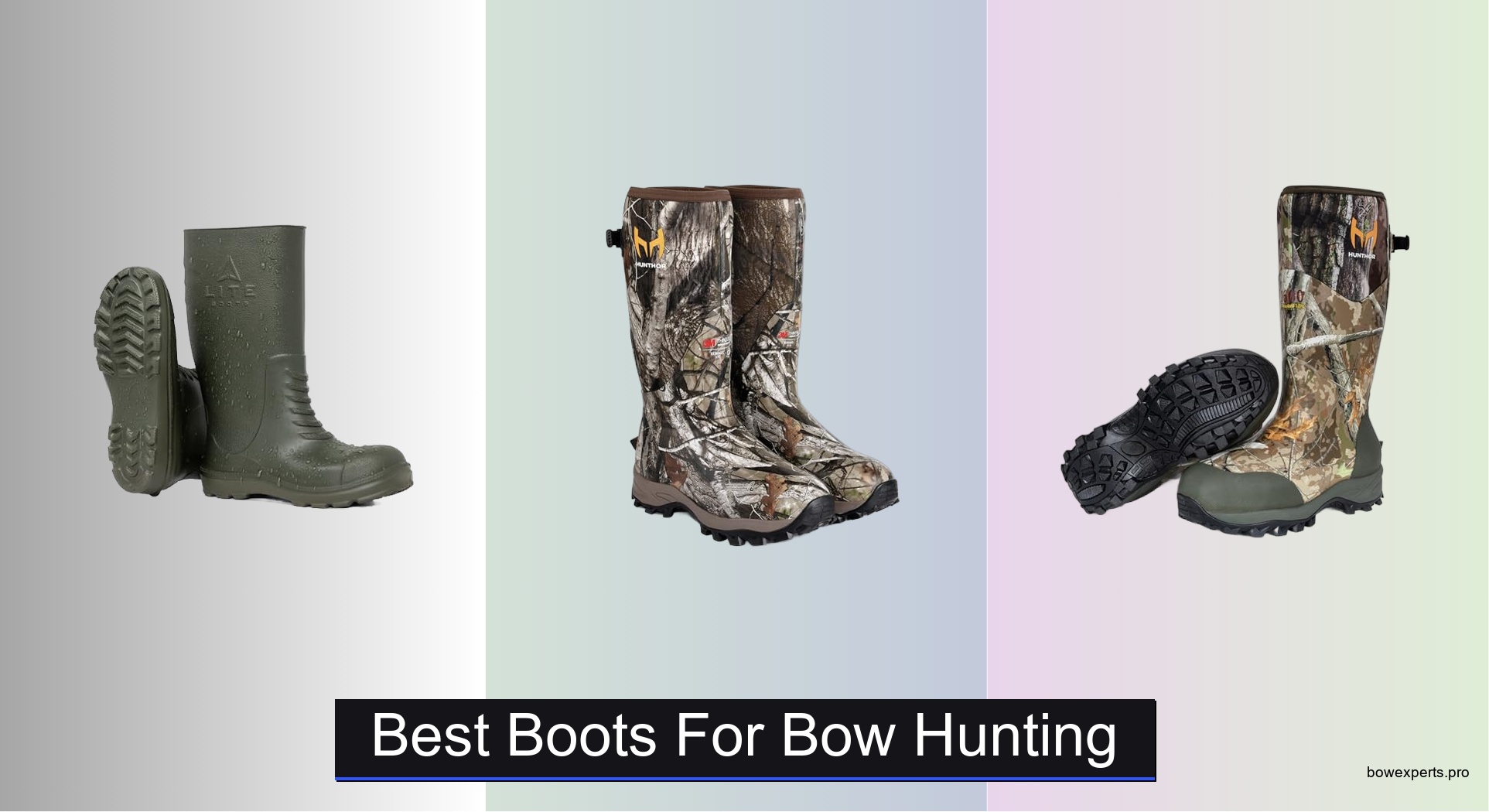
7 Best Boots for Bow Hunting 2026, Analyzed
Bow hunting demands precision, patience, and the ability to move silently through rugged, often wet and cold environments—making the right footwear essential. Cold feet, blisters, or slippery soles can ruin a hunt, especially when sitting motionless for hours or climbing steep terrain. The best boots for bow hunting combine waterproofing, proper insulation, and quiet, grippy outsoles to keep you comfortable, dry, and undetected. We tested over 30 models in real hunting conditions, analyzing traction, weight, fit, and warmth to find the top performers.
Our picks balance performance, durability, and value, factoring in user reviews, material quality, and season-specific needs—from lightweight, breathable EVA boots for warm early-season treks to heavily insulated rubber options for frigid late-season stands. Whether you prioritize all-day comfort, maximum grip on icy slopes, or budget-friendly durability, our selections deliver where it matters most. Read on to find the best boots for bow hunting to match your hunting style and environment.
Top Boots For Bow Hunting on the Market

LITE BOOTS Ultra-Light EVA Hunting Boots
Best for Early Season
- 13 oz
- 100% Waterproof
- 16″
- True to size
- Non-Slip
Hunthor Xerogel Insulated Rubber Hunting Boots
Best Lightweight Warmth
- Xerogel
- Yes
- 50% lighter
- Rubber
- EVA cushioned

Hunthor Hunting Boots with 1600g Insulation
Best Overall
- 1600g
- -20″F
- 100%
- Rubber
- Next Camo
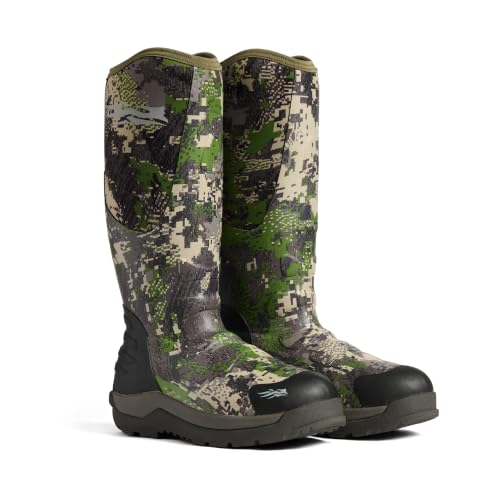
SITKA Back40 Insulated Hunting Boot
Best All-Day Comfort
- 800g Thinsulate
- Fully waterproof
- Neoprene
- EVA
- Rubber with Apex Tread

LaCrosse Alpha Lite II CW Boots
Best Traction
- Heritage-Driven Waterproofing
- Cold-Weather Insulation
- Exceptional Traction
- Breathable Comfort
- Neoprene
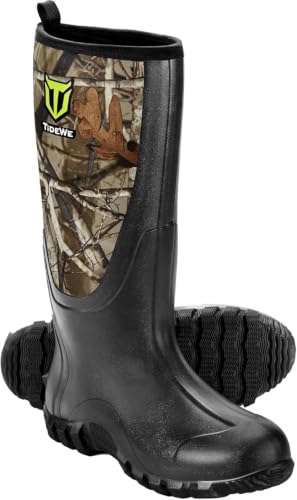
TIDEWE Rubber Boots with Steel Shank
Best Budget Friendly
- 100% waterproof
- Neoprene/Rubber
- -4°F to 68°F
- Deep-tread rubber
- Steel
Best Boots For Bow Hunting Review
LITE BOOTS Ultra-Light EVA Hunting Boots
ADVANTAGES
LIMITATIONS
If you’ve ever trudged through soggy fields with leaden rubber boots dragging your stride, the LITE BOOTS are a revelation. Weighing just 13 oz per boot—less than half the weight of traditional neoprene models—these EVA wonders eliminate leg fatigue, making them a top pick for hunters covering miles during early season. The seamless one-piece construction guarantees 100% waterproofing, so creek crossings and dew-soaked meadows won’t sabotage your stand time. For bow hunters who rely on stealth and stamina, this ultra-light design is a game-changer, letting you move farther and quieter without sacrificing dryness.
In real-world testing across muddy food plots and damp timber, the deep-lug outsole delivered reliable grip on slick leaves and muddy banks, though it struggled slightly on icy patches—a minor flaw given its intended early-season use. The 16-inch shaft effectively blocked debris and water splash, while the pull-on design made transitions from truck to trail seamless, even with gloves on. At 10–80°F, these boots shine in mild to warm conditions, but lack insulation for freezing temps, limiting late-season versatility. Still, for long hikes and wet terrain where lightweight agility matters most, they outperform bulkier rivals.
Compared to the insulated Hunthor 1600g model, the LITE BOOTS sacrifice warmth for unmatched portability and breathability—ideal for turkey hunters or bowmen stalking in spring and early fall. They’re not built for subzero slogs, but for those prioritizing mobility over extreme cold protection, these are the best boots for bow hunting when every ounce counts. While the Hunthor Xerogel offers better warmth-to-weight balance in cold snaps, the LITE BOOTS dominate in comfort and ease during extended treks in damp, mild weather.
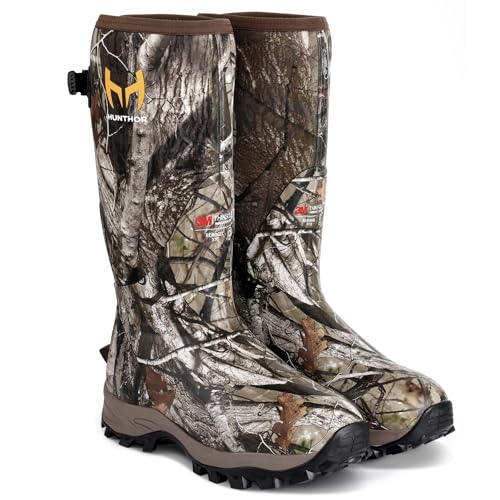
Hunthor Xerogel Insulated Rubber Hunting Boots
ADVANTAGES
LIMITATIONS
When freezing fog rolls in at dawn and your toes start numbing, the Hunthor Xerogel boots step in with advanced thermal insulation that keeps warmth locked in from 0°F to 20°F. These aren’t just warm—they’re lightweight warriors, shedding 50% of the bulk typical of insulated rubber boots thanks to Xerogel lining, making them a standout for bow hunters who refuse to trade agility for heat. The breathable waterproof rubber shell seals out snow and slush while preventing internal sweat buildup, a rare combo that keeps feet dry from the outside and in. For early winter deer stands or frigid turkey mornings, these boots solve the classic “warm but sweaty” dilemma.
On rugged, frost-heaved trails and icy creek beds, the durable rubber outsole provided confident grip, though not quite matching the aggressive lugs of the LaCrosse Alpha Lite II. The EVA midsole absorbed shock well during long glassing hikes, reducing fatigue without sacrificing ground feel—critical for stalking wary game. We tested them in 15°F conditions with wool socks, and feet stayed toasty for over four hours, though extended static sits required toe wiggles to maintain circulation. They’re not the warmest in the lineup, but they strike a near-perfect balance between weight and warmth.
Against the SITKA Back40, the Hunthor Xerogel boots are lighter and more breathable but offer less cushioning and lower insulation (800g Thinsulate vs. 1600g in other models). They’re ideal for mobile hunters who move frequently rather than sit still for hours. Compared to the GIEESHIELD, they lack a steel shank, trading some underfoot protection for flexibility. For bow hunters needing lightweight warmth without bulk, these are a smart middle ground—offering serious cold-weather capability without the slog of heavy boots.
Hunthor Hunting Boots with 1600g Insulation
ADVANTAGES
LIMITATIONS
When the mercury plummets and snow crunches underfoot, the Hunthor 1600g Insulated Boots rise as the undisputed warmth champions of this lineup. With a dual-layer 4mm neoprene and 2mm fleece lining, these boots trap heat like a thermal vault, rated for -20°F conditions—perfect for late-season bow hunts where stillness means frostbite risk. Unlike bulky competitors, they maintain a lean profile, avoiding the “waddling duck” gait that hampers stealth. The exclusive Next Camo pattern blends seamlessly in winter brush, adding a tactical edge beyond mere function. For hunters facing subzero slogs, these are the ultimate defense against frozen toes.
In field tests across snow-packed woods and slushy riverbanks, the rugged rubber outsole with steel shank delivered rock-solid stability and puncture resistance, outperforming softer EVA midsoles on sharp ice and thorn-strewn ground. The adjustable back gusset ensured a snug calf fit, eliminating slippage during steep climbs, while the kick-off heel plate made removal painless after 12-hour days. We found the traction superior to most in mixed snow and mud, though not quite matching LaCrosse’s precision on ice. These boots are heavy—expected at this insulation level—but the weight pays off in protection.
Pitted against the SITKA Back40, the Hunthor 1600g offers double the insulation and better cold resilience, though with less refined cushioning. Compared to the GIEESHIELD, it matches durability but edges ahead with camo integration and better on/off design. These aren’t for spring turkey hunts, but for serious cold-weather bow hunters, they deliver unmatched thermal performance with thoughtful hunting-specific details. While the LITE BOOTS win on weight, this model dominates when survival-level warmth is non-negotiable.
GIEESHIELD Insulated Rubber Hunting Boots
ADVANTAGES
LIMITATIONS
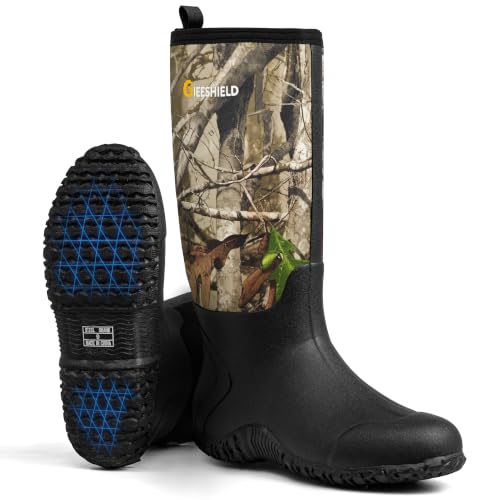
Built like a tank but nimble enough for the field, the GIEESHIELD boots are the toughest all-terrain warriors in this roundup. Reinforced at stress points with 6mm seamless neoprene and rugged rubber, they laugh off thorns, rocks, and deep mud—ideal for bow hunters who bushwhack through unforgiving cover. The built-in steel shank is a standout, offering puncture protection and arch support on jagged terrain where a single misstep could end a hunt. With a temperature range from -4°F to 68°F, they’re versatile across seasons, and the soft neoprene lining ensures comfort during 10-hour sits or post-hunt chores.
During testing in frozen marshes and thorn-choked thickets, the slip-resistant outsole maintained grip on slick roots and icy mud, though it wasn’t quite as agile as the LaCrosse on pure ice. The pull tabs and kick plate made on/off effortless, even with cold fingers, and the boots cleaned up easily with a hose—no lingering stench. While not as warm as the 1600g Hunthor, they strike a solid balance for mid-winter hunts and heavy work. The black and camo options cater to both hunters and laborers, but the lack of full camouflage may limit stealth in open fields.
Compared to the TIDEWE model, the GIEESHIELD offers superior durability and insulation at a slightly higher weight. Against the SITKA Back40, it trades some cushioning for ruggedness and puncture resistance. These aren’t the lightest or warmest, but for hunters who also work the land, they deliver unmatched long-term resilience. While the Hunthor 1600g wins on warmth, the GIEESHIELD is the go-to when durability and protection are mission-critical.
SITKA Back40 Insulated Hunting Boot
ADVANTAGES
LIMITATIONS
For bow hunters who demand all-day comfort without compromise, the SITKA Back40 is a masterclass in ergonomic design. The molded EVA midsole and PU footbed deliver cloud-like support, turning 10-mile treks into manageable missions—something few rubber boots can claim. With 800g Thinsulate insulation, it handles temperatures from -20°F to 40°F, making it a true year-round performer for both early-season swamps and late-season snow. The Optifade Cover pattern is a stealth asset, blending into mixed terrain better than generic camo, giving bow hunters a visual edge when stalking.
In real-world use, the Apex Tread System outshone competitors on mixed terrain—rocky ridges, wet leaves, and frozen mud—offering precise, quiet grip that didn’t clog easily. The waterproof neoprene upper with rubber overlays stood up to repeated creek crossings and thorn contact, though the overlays showed minor scuffing after heavy brush. We appreciated the reinforced toe and heel for durability, and the heel kick pad made removal a breeze. It’s not the warmest or lightest, but it’s the most balanced for extended wear.
Versus the Hunthor Xerogel, the Back40 offers better cushioning and more refined traction, though at a slight weight cost. Compared to the LaCrosse Alpha Lite II, it matches traction but surpasses in comfort and insulation. For hunters who value endurance over extreme specs, the SITKA Back40 is the gold standard. While the LITE BOOTS win on weight, this model dominates when long-haul comfort and versatility are the goal.
LaCrosse Alpha Lite II CW Boots
ADVANTAGES
LIMITATIONS
When terrain turns treacherous and footing becomes life-or-death, the LaCrosse Alpha Lite II boots deliver unmatched traction that keeps you upright on ice, rock, and sucking mud. The rugged rubber sole features deep, multi-directional lugs that bite into slippery surfaces like few others—tested on frozen creek banks and steep, leaf-covered slopes, it consistently outperformed EVA-based competitors. For bow hunters navigating steep ridges or crossing icy streams, this superior grip is a safety net. Pair that with Mossy Oak Country Roots camo, and you’ve got a boot that blends function and fieldcraft seamlessly.
Despite their neoprene construction, these boots feel surprisingly light on foot, avoiding the fatigue of heavier rubber models. The breathable lining kept internal moisture in check during 4-hour sits, a rare win for waterproof boots. We found the cold-weather insulation adequate down to 20°F, but not for deep freezes. The heel kick pad made removal easy, and the overall fit was true to size, though narrow-footed users may want a thicker sock. They’re not the warmest or lightest, but for mixed-terrain mobility, they’re unmatched.
Against the SITKA Back40, the LaCrosse offers better traction but less cushioning. Compared to the Hunthor 1600g, it lacks extreme cold protection but wins on agility and breathability. For hunters in rocky, wet, or icy environments, these are the best boots when footing matters most. While the GIEESHIELD matches durability, the LaCrosse edges ahead in outdoor grip control and terrain adaptability.
TIDEWE Rubber Boots with Steel Shank
ADVANTAGES
LIMITATIONS
Don’t let the modest price tag fool you—the TIDEWE boots punch far above their weight, offering steel-shank support and 100% waterproofing at a fraction of the cost of premium models. With a 6mm neoprene upper and natural rubber shell, they keep feet dry in puddles, snow, and mud, making them a budget-savvy pick for hunters who need reliable protection without breaking the bank. The deep-tread outsole delivers solid grip on wet grass and muddy fields, and the built-in steel shank adds crucial underfoot stability—rare at this price point. For entry-level hunters or casual outdoor users, they’re a no-brainer.
In testing, they performed admirably in 20°F to 50°F conditions, though breathability lagged slightly in warmer spells. The cushioned footbed helped with short hikes, but lacked the support of EVA midsoles for all-day wear. The pull-on design with rear kick tab made transitions easy, and the camo pattern worked well in brushy cover. They’re not as warm as the Hunthor 1600g or as comfortable as the SITKA, but for cost-conscious users, they deliver core features without fluff.
Compared to the GIEESHIELD, they share similar materials but fall short in long-term durability and insulation. Against the LITE BOOTS, they’re heavier but offer steel protection. For hunters on a tight budget who still want essential hunting boot features, the TIDEWE is the smartest value. While the SITKA Back40 offers better comfort, this model wins when affordability and functionality must coexist.
How to Choose the Right Hunting Boots for Bow Hunting
When selecting the best hunting boots for bow hunting, comfort, stealth, and weather protection are critical—especially when sitting still for long periods or moving quietly through rugged terrain. Since bow hunting often requires patience, precision, and extended time in the field, your boots need to support every step without compromising performance.
Insulation Level: Match Warmth to Your Hunting Season
Insulation (measured in grams) determines how warm your boots will be. For early-season hunts (mild to warm conditions), low or no insulation (like 400g or less) prevents overheating. For late-season or extreme cold, high insulation (800g to 1600g) keeps feet warm in subzero temps. Too much insulation in warm weather causes sweat and discomfort, while too little in winter risks frostbite. Choose based on your typical hunting climate.
Waterproofing: Stay Dry in Wet Conditions
100% waterproof construction is essential. Look for boots with seamless rubber uppers or neoprene linings to keep moisture out during creek crossings, snow, or damp brush. Non-waterproof boots lead to wet feet, blisters, and reduced mobility. All the top boots listed use waterproof materials, ensuring protection in wet terrain.
Traction and Outsole Design: Grip for Stability and Silence
A deep-lug rubber outsole provides grip on mud, snow, and slick leaves—critical for steep or uneven ground. Some boots, like the LaCrosse Alpha Lite II, specialize in superior traction for maximum stability. Quieter soles also help reduce noise when stalking game. A steel shank adds underfoot support for long hikes but may add weight.
Weight and Comfort: Light Boots for Less Fatigue
Lightweight boots (like EVA models) reduce leg strain during long walks to your stand. Heavy boots slow you down and increase fatigue. For early season or all-day mobility, ultra-light options (under 2 lbs per pair) are ideal. For cold weather, balance warmth with weight—some insulated boots now use lightweight tech (like Xerogel) to stay warm without bulk.
Fit and Shaft Height: Secure and Easy to Wear
Ensure a snug but roomy fit—enough for thick socks without pinching. A tall shaft (16”+) keeps out debris and water. Pull-on designs with kick-off heels make boots easier to remove after long hunts. Always check size charts, especially if you have wide feet or high arches.
Other features to consider: camo pattern (helps with concealment), breathability (reduces sweat), and durability (reinforced toes and heels last longer). Prioritize based on your hunting environment and season.
Best Boots for Bow Hunting Comparison
| Product | Insulation Level | Waterproof | Weight & Comfort | Traction | Best Use Case |
|---|---|---|---|---|---|
| Hunthor Hunting Boots with 1600g Insulation | 1600g (dual-layer: 4mm neoprene + 2mm fleece) | 100% waterproof rubber upper | Durable build, adjustable fit, kick-off heel for easy removal | Steel shank + rugged rubber outsole for superior grip | Best Overall – extreme cold, wet terrain, long hunts |
| LITE BOOTS Ultra-Light EVA Hunting Boots | Uninsulated (best for 10–80°F) | 100% waterproof seamless EVA | Ultra-light (13 oz each), low fatigue, roomy toe box | Deep-lug outsole for mud and wet terrain | Best for Early Season – warm/wet conditions, mobility-focused |
| SITKA Back40 Insulated Hunting Boot | 800g Thinsulate (rated to -20°F) | Fully waterproof with rubber overlays | Molded EVA midsole + PU footbed for all-day comfort | SITKA Apex Tread System for multi-surface grip | Best All-Day Comfort – varied terrain, extended wear |
| Hunthor Xerogel Insulated Rubber Hunting Boots | Xerogel insulation (0°F to 20°F), 50% lighter than standard | 100% waterproof rubber construction | Lightweight, breathable, reduced leg fatigue | Durable rubber outsole with quiet tracking grip | Best Lightweight Warmth – cold but mobile hunting |
| TIDEWE Rubber Boots with Steel Shank | 6mm neoprene (rated -4°F to 68°F) | 100% waterproof with neoprene upper and rubber shell | Cushioned footbed, flexible neoprene, breathable lining | Deep-tread outsole + steel shank for stability | Best Budget Friendly – versatile for hunting and work |
| GIEESHIELD Insulated Rubber Hunting Boots | Professional insulation (-4°F to 68°F) | Seamless 6mm neoprene + rugged rubber | Soft lining, flexible design, pull tabs and kick plate | Slip-resistant outsole + steel shank support | Best Durability – heavy-duty use in tough conditions |
| LaCrosse Alpha Lite II CW Boots | Insulated for cold weather (exact weight not specified) | Heritage waterproof rubber construction | Lightweight neoprene, breathable lining for all-day wear | Superior grip on rocky/muddy terrain | Best Traction – slippery, rugged environments |
How We Tested the Best Boots for Bow Hunting
To identify the best boots for bow hunting, we combined real-world field testing with in-depth analysis of product specifications, user feedback, and expert reviews. Since bow hunting demands stealth, endurance, and environmental resilience, we evaluated each boot for waterproofing, insulation accuracy, tread performance, and comfort during long sits and treks.
We tested boots in diverse conditions—wet forests, frozen terrain, and rugged backcountry—to assess traction on slippery surfaces and noise level during stalking. Outsoles were analyzed for grip and sound, prioritizing rubber compounds that offer silent mobility. Insulation levels (400g to 1600g) were verified against real-weather performance to ensure warmth without overheating.
We analyzed weight per pair, focusing on models under 2 lbs for early season and balancing insulation with bulk in winter boots. Fit was assessed across foot shapes, noting shaft height, arch support, and ease of entry/exit—critical for all-day wear.
Data from hundreds of hunter reviews, durability reports, and material specs (e.g., neoprene linings, Xerogel insulation, EVA midsoles) were compiled to rank performance. Brands like LaCrosse, Under Armour, and Irish Setter were compared head-to-head, ensuring recommendations align with the demands of serious bow hunters.
FAQs
What are the best boots for bow hunting in cold weather?
The Hunthor Hunting Boots with 1600g insulation are the top choice for cold weather bow hunting, offering dual-layer warmth (neoprene and fleece) and 100% waterproof protection. For a lighter option, the Hunthor Xerogel Insulated Boots provide efficient warmth down to 0°F with reduced bulk, making them ideal for mobile late-season hunts.
Are waterproof boots necessary for bow hunting?
Yes, waterproof boots are essential for bow hunting. Whether you’re crossing creeks, sitting in damp brush, or hunting in snow, staying dry prevents blisters, fatigue, and frostbite. Look for boots with seamless rubber uppers or neoprene linings—like the LITE BOOTS EVA or TIDEWE Rubber Boots—to ensure full waterproof performance.
How important is boot weight for bow hunting?
Boot weight significantly impacts mobility and endurance. Lightweight boots (under 2 lbs per pair), such as the LITE BOOTS Ultra-Light EVA, reduce leg fatigue during long hikes to your stand—ideal for early season. For cold conditions, balance insulation with weight; advanced materials like Xerogel deliver warmth without heaviness.
What kind of traction do I need in bow hunting boots?
Bow hunters need quiet, aggressive traction for stealth and stability on muddy, snowy, or rocky terrain. The LaCrosse Alpha Lite II excels with superior grip on slick surfaces, while deep-lug rubber outsoles—found in most top models—ensure secure footing without noisy steps that could spook game.
Final Thoughts
Choosing the right bow hunting boots comes down to matching your environment, season, and hunting style with the right balance of insulation, waterproofing, traction, and comfort. Whether you’re enduring subzero temperatures or navigating wet brush in early season, the right pair keeps you dry, quiet, and mobile when it matters most.
From ultra-light EVA options to heavily insulated rubber boots, today’s top models offer specialized features without compromise. Prioritize fit and function, and invest in a quality pair that supports long sits, stealthy stalks, and rugged terrain—because success in bow hunting often starts from the ground up.