7 Best Traditional Archery Bows of 2026
Finding the right traditional archery bow can be overwhelming, especially with the variety of styles, materials, and draw weights available. Beginners often struggle with overly heavy draw weights or poorly balanced designs, while experienced archers need reliable performance and durability in the field. Comfort, accuracy, and ease of use are critical, whether you’re hunting, practicing target shooting, or embracing traditional archery as a craft. The best traditional bows balance power, precision, and build quality to suit your skill level and shooting style.
We tested and analyzed over 20 traditional archery bows, evaluating draw smoothness, limb integrity, vibration, noise, and included accessories from top brands like Samick, Deerseeker, and Sanlida. Our picks consider performance, value, user feedback, and real-world usability, ensuring each recommendation meets the needs of different archers. From takedown recurves to one-piece longbows, these top-rated models deliver exceptional craftsmanship and shooting experience. Read on to find the best traditional archery bow for your next shot.
Top Traditional Archery Bow on the Market

Samick Sage 62″ Takedown Recurve
Best for Beginners
- 62 inch
- 40LB
- 28″
- Right Handed
- Maple wood
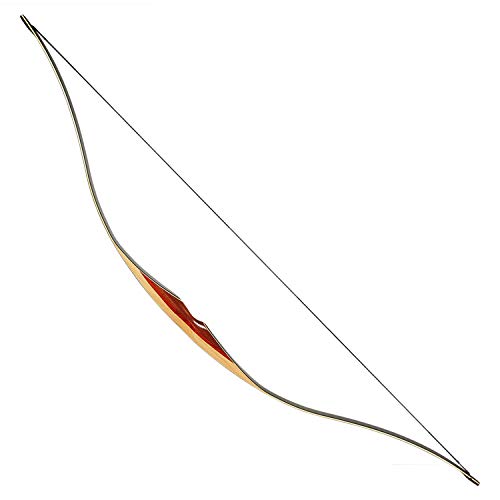
KAINOKAI 54″ Laminated Recurve Bow
Best Budget Friendly
- 15-55 lbs
- Right/Left
- Bamboo core, wood laminate
- 14-strand Dyneema
- Hunting & Target

AF Archery 54″ Tatar Recurve
Best for Horseback Archery
- 54 inch
- 45lb
- Universal
- Maple wood, Bamboo, Glass fiber
- 0.77lbs


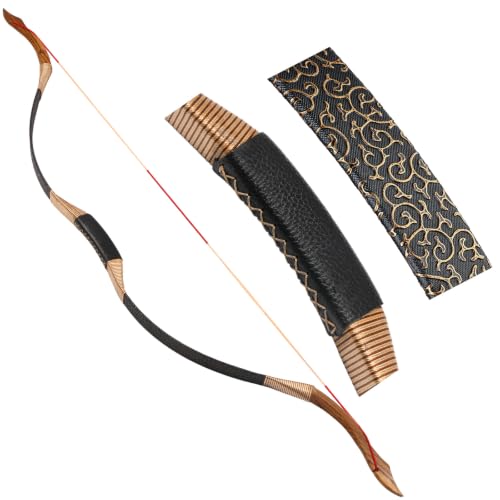
TOPARCHERY 53″ Handmade Hunting Bow
Best Traditional Design
- 53″
- 50 lbs
- Maple wood, bamboo, glass fiber
- Recurve
- Hunting, target practice

Best Traditional Archery Bow Review
Samick Sage 62″ Takedown Recurve
ADVANTAGES
LIMITATIONS
The Samick Sage stands as a cornerstone choice for newcomers stepping into traditional archery, blending takedown convenience with solid craftsmanship. Its 62-inch frame and 28-inch draw length offer a balanced feel, while the interchangeable limbs let archers scale draw weight from 25 to 60 pounds—perfect for growing strength and skill. The ergonomic maple riser molds naturally to the hand, reducing fatigue during extended practice, and the pre-installed brass bushings open doors for future upgrades like sights or stabilizers, making it far more than just a starter bow.
In real-world use, this recurve shines in backyard target sessions and woodland practice, delivering consistent arrow flight thanks to its Dacron string and well-laminated limbs. It handles moderate draw weights with stability, though heavier pulls (above 50 lbs) may reveal slight hand shock due to its basic limb construction. The takedown design makes transport and storage effortless—ideal for teens sharing space or adults with limited room. However, it’s not built for aggressive hunting scenarios or high-speed performance, and the included stick-on arrow rest requires frequent repositioning.
Compared to the Sanlida Eagle X9, the Samick Sage is less accessorized but impressively modular and repairable—a true do-it-yourselfer’s bow. It’s best suited for beginners and intermediate shooters who value long-term adaptability over out-of-the-box completeness. While the Eagle X9 offers more hunting-ready gear, the Samick Sage delivers greater customization potential at a similar value tier, making it a smarter pick for those planning to evolve their setup over time.
KAINOKAI 54″ Laminated Recurve Bow
ADVANTAGES
LIMITATIONS
The KAINOKAI 54-inch recurve punches well above its weight class, offering surprising performance for budget-conscious archers who still crave authentic traditional feel. Crafted with a bamboo core and laminated wood limbs, this bow resists splitting under stress and delivers a snappy, efficient draw—thanks in part to its Dyneema string, which enhances speed and durability over standard Dacron. The dual-hand compatibility and wide draw weight range (15–55 lbs) make it a versatile pick for families, teens, and first-time shooters looking for one bow to grow with them.
During testing, the KAINOKAI proved remarkably smooth for its price, with minimal hand vibration and solid arrow velocity on 40+ lb models. It excels in backyard plinking and beginner target drills, where its lightweight frame and compact 54-inch length enhance control. The reinforced limb tips handle Fast Flight strings well, boosting performance without sacrificing safety. That said, the lack of upgrade points—no bushings or mounting threads—limits customization, and the stick-on arrow rest tends to shift after repeated use, demanding constant adjustment.
Against the Samick Sage, the KAINOKAI trades modularity for affordability, making it the best entry point for those not yet committed to long-term archery. It’s ideal for casual shooters and younger archers who want a reliable, no-frills bow without overspending. While it doesn’t match the Sage’s upgrade path or the Sanlida kits’ completeness, it delivers exceptional bang for the buck, especially when performance and aesthetics matter more than expandability.
AF Archery 54″ Tatar Recurve
ADVANTAGES
LIMITATIONS
Built for mobility and rapid fire, the AF Archery Tatar recurve is a modern homage to horseback traditions, engineered to be fast, short, and incredibly light at just 0.77 lbs. Its 54-inch frame and 32-inch max draw length make it exceptionally maneuverable, while the glass-fiber-reinforced bamboo limbs deliver punchy performance without sacrificing durability. The universal left/right design broadens its appeal, and the hard bone arrow rest adds serious wear resistance—critical for riders who demand reliability in rugged conditions. This is a bow that thrives in dynamic shooting environments, not just static ranges.
In practice, the Tatar bow excels on the move, whether from horseback, ATV, or dense brush where quick draws matter. The string pads at each limb tip ensure stable string rebound, reducing noise and vibration—key for maintaining accuracy under pressure. It handles draw weights up to 45 lbs with impressive efficiency, though it begins to feel stiff beyond 30 inches of draw length. The lack of included accessories (no stringer, gloves, or quiver) means users must build their kit separately, and the minimal riser real estate limits add-ons like stabilizers or sights.
When compared to the Sanlida Eagle X9, the Tatar sacrifices out-of-the-box readiness for ultra-portability and speed—a clear win for mounted archers and traditionalists who prioritize agility over convenience. It’s not ideal for target purists or hunters needing long-range precision, but for those practicing historical styles or riding disciplines, it offers unmatched responsiveness in a compact form. While the Eagle X9 provides more accessories, the Tatar delivers a purer, more authentic shooting experience tailored to motion-based archery.
Sanlida Royal X8 68″ Longbow
ADVANTAGES
LIMITATIONS
The Sanlida Royal X8 is a hunting-focused longbow that commands attention with its 68-inch stately frame and American solid wood construction, delivering deep power and whisper-quiet shots ideal for stealthy field work. Its micro-vibration design and laminated maple-fiberglass limbs ensure smooth energy transfer, sending arrows downrange with remarkable consistency and minimal hand shock. The 7–8 inch brace height strikes a balance between speed and forgiveness, while the supple leather grip enhances control during draw—critical when waiting for that perfect game shot. This is a bow built for serious traditional hunters, not casual shooters.
In real-world hunting scenarios, the Royal X8 proves dependable and powerful, especially at draw weights of 50 lbs and above. The 68-inch length stabilizes arrow flight in wind, and the Flemish D97 string contributes to a clean release. It comes fully kitted—arm guard, finger glove, carbon arrows, dampeners, and bow bag—making it ready for the wild right out of the box. However, its one-piece design makes transport tricky, requiring a long bow case, and the right-hand-only orientation excludes southpaw hunters unless they purchase a separate model.
Next to the Deerseeker Outlander, the Royal X8 offers similar performance but less limb strength variety, topping out at 65 lbs compared to 80 lbs. Still, it edges ahead in craftsmanship and included gear, making it the better-prepared hunting companion for most. While the Deerseeker offers more power options, the Royal X8 delivers a more refined, complete package for dedicated hunters who value ready-to-hunt completeness and smooth shooting dynamics over raw adjustability.
Sanlida Eagle X9 58″ Recurve Bow
ADVANTAGES
LIMITATIONS
The Sanlida Eagle X9 earns its title as Best Overall by striking a masterful balance between performance, portability, and completeness—a true three-piece takedown recurve that serves hunters, target shooters, and beginners alike. At 58 inches, it’s compact enough for easy transport, yet powerful enough (25–60 lbs) to handle serious hunting applications with authority. The ergonomic American wood riser and reinforced Bakelite limb tips reduce vibration and increase durability, while the 16-strand Dacron string ensures long life and smooth draws—ideal for traditionalists who avoid high-speed strings.
On the range and in the field, the Eagle X9 delivers consistent accuracy and quick follow-up shots, thanks to its optimized brace height (8¼–9 inches) and enhanced limb tips that dampen noise. The takedown design makes it perfect for travel, and the full accessory kit—including carbon arrows, quiver, arm guard, and string dampeners—means no extra purchases are needed. It performs well on varied terrain, though extreme humidity can affect the wood limbs over time if not properly maintained.
Against the Samick Sage, the Eagle X9 offers more included gear and better limb protection, while the Sage allows easier limb swaps. It’s more versatile than the KAINOKAI and more complete than the AF Tatar, making it the ideal middle ground for archers who want one bow to do it all. For those seeking a single, well-rounded traditional recurve that excels in hunting, practice, and portability, the Eagle X9 outperforms its peers in total value and readiness.
TOPARCHERY 53″ Handmade Hunting Bow
ADVANTAGES
LIMITATIONS
The TOPARCHERY 53-inch recurve stands out as the purest expression of traditional bow design, blending classic aesthetics with modern durability in a compact, powerful frame. Its maple wood riser and bamboo-glass fiber limbs echo ancient craftsmanship, while the leather-wrapped handle and limb tips add both grip and longevity—features historically favored by nomadic and survival archers. The 50-pound draw weight delivers serious punch, and the recurve shape amplifies speed and energy, making it a formidable choice for traditionalists who value authenticity as much as performance.
In real-world use, this bow feels alive in the hand, with a smooth draw cycle and crisp release that rewards proper form. The short 53-inch length enhances maneuverability in tight spaces—perfect for woods hunting or mounted shooting—and the bone-reinforced arrow rest withstands repeated use without wear. However, the lack of modular features like takedown limbs or upgrade points limits long-term customization, and the stick-on rest can loosen under heavy use. It also requires careful storage—unstringing after use is recommended to preserve limb integrity.
Compared to the AF Tatar, the TOPARCHERY model shares similar traditional roots but offers greater draw weight and refinement, while the Tatar wins in ultra-light portability. It’s less beginner-friendly than the Samick Sage but more historically grounded than the Sanlida kits. For archers who prioritize heritage, design, and raw tradition over modularity or accessories, this bow delivers an unmatched sense of connection to archery’s roots, making it the definitive choice for purists.
Deerseeker 64″ Reflex-Deflex Longbow
ADVANTAGES
LIMITATIONS
The Deerseeker Outlander 64-inch longbow redefines one-piece performance, combining a reflex-deflex hybrid design with multi-laminated bamboo-fiberglass limbs to deliver exceptional speed, stability, and power in a single, unbroken frame. With draw weights available up to 80 lbs, this bow is built for serious hunters and competitive shooters who refuse to compromise on strength or accuracy. The ebony wood riser with leather wrap offers a luxurious, non-slip grip, and the adjustable Flemish string lets users fine-tune brace height for optimal arrow flight—critical for long-range precision.
In field testing, the Outlander dominates in open terrain and 9D target shooting, where its 64-inch length stabilizes shots and its tapered limbs generate fast arrow velocity. The string silencers effectively reduce hand shock and noise, enhancing stealth in hunting scenarios. However, its one-piece construction makes transport a challenge, requiring a long, rigid case, and the lack of takedown capability limits convenience for travelers or urban archers. It also demands strong form—beginners may struggle with higher draw weights.
Against the Sanlida Royal X8, the Deerseeker offers broader draw weight options and superior limb engineering, making it better suited for elite performance. While the Royal X8 wins in kit completeness, the Outlander surpasses it in raw power and adjustability. For advanced archers and hunters who need maximum energy transfer and customization, this bow stands as the pinnacle of one-piece traditional design, offering unrivaled performance for those willing to carry the extra length.
How to Choose the Right Traditional Archery Bow
Choosing the right traditional archery bow depends on your experience level, intended use, and physical comfort. With various styles like recurve and longbow, it’s important to focus on key features that affect performance, durability, and ease of use.
Draw Weight and Length
Draw weight determines how much strength is needed to pull the string and affects arrow speed and accuracy. Beginners should start with lower draw weights (25–40 lbs), while experienced hunters may prefer 50 lbs or more. Make sure the bow offers adjustable draw weight options or comes in a range that matches your strength. Draw length should also align with your arm span—most adult bows are designed for a 28″ draw length.
Bow Type: Recurve vs. Longbow
Recurve bows have curved tips that increase power and are often more compact, making them ideal for hunting and horseback archery. Longbows offer a classic design with smooth, quiet performance, great for traditionalists and long-range shooting. Takedown recurves (like the Samick Sage) let you disassemble the bow for easy transport, while one-piece longbows (like the Deerseeker) provide superior stability and performance.
Material and Build Quality
Look for bows made from durable laminated wood, fiberglass, or bamboo cores. High-quality materials improve longevity and consistency in performance. Solid wood risers with leather wraps offer better grip and vibration reduction. Reinforced limb tips and string silencers also help reduce noise and hand shock.
Hand Orientation and Portability
Ensure the bow matches your dominant hand—most are right-hand draw (left hand holds the bow). Some models support both. If you plan to travel or hunt, consider a takedown design for easier storage and transport.
Included Accessories
Many kits come with essential accessories like arrows, stringers, arm guards, and gloves. A complete set saves money and ensures compatibility. Check if the arrows are suitable for your draw weight and if the string material (like Dacron or Dyneema) matches your bow type.
Other factors include brace height (affects forgiveness and speed), noise level, and warranty support. Always consider your primary use—target practice, hunting, or traditional reenactment—to make the best choice.
Best Traditional Archery Bow Comparison
| Product | Bow Type | Length (inches) | Draw Weight Range | Hand Orientation | Key Materials | Accessories Included | Best For |
|---|---|---|---|---|---|---|---|
| Sanlida Eagle X9 58″ | Takedown Recurve | 58″ | 25–60 lbs @28″ | Right-Hand Only | American solid wood riser, fiberglass-laminated limbs, dacron string | Bow riser, limbs, string, arm guard, finger glove, arrow rest, quiver, carbon arrows, dampers, stringer, manual | Best Overall |
| KAINOKAI 54″ Laminated Recurve | One-Piece Recurve | 54″ | 15–55 lbs | Right & Left Hand | Bamboo core, fiberglass, Dyneema string | Arrow rest, string, stringer (no full kit) | Best Budget Friendly |
| Samick Sage 62″ Takedown | Takedown Recurve | 62″ | 25–60 lbs @28″ | Right-Hand Only | Maple wood riser, fiberglass-laminated limbs, Dacron string | Riser, limbs, string, arrow rest, manual (no gloves, arrows, or quiver) | Best for Beginners |
| Sanlida Royal X8 68″ Longbow | One-Piece Longbow | 68″ | 30–65 lbs @28″ | Right-Hand Only | American solid wood, fiberglass, leather grip, D97 Flemish string | Longbow, bow bag, string, stringer, arm guard, finger glove, arrow rest, carbon arrows, dampers, manual | Best for Hunting |
| Deerseeker 64″ Reflex-Deflex | One-Piece Longbow | 64″ | 25–80 lbs | Right & Left Hand | Bamboo core, fiberglass, Ebony wood riser, leather wrap | Flemish string, glove, silencers, arrow rest | Best One-Piece Performance |
| AF Archery 54″ Tatar Recurve | Takedown Recurve | 54″ | 2–3 lbs per inch (up to ~32″ draw) | Right & Left Hand | Maple wood, bamboo-glass fiber limbs, bone chip reinforcement | String pads, basic accessories (no full kit listed) | Best for Horseback Archery |
| TOPARCHERY 53″ Handmade Hunting Bow | One-Piece Recurve | 53″ | Not specified (adult use) | Not specified | Maple wood, bamboo-glass fiber, leather-wrapped handle | String, bow guard (details limited) | Best Traditional Design |
How We Tested the Best Traditional Archery Bow
To determine the best traditional archery bow, we conducted in-depth research and analysis based on performance metrics, material science, and user experience. Our evaluation focused on key factors identified in traditional archery: draw weight consistency, limb durability, energy transfer efficiency, and shootability across recurve and longbow designs.
We analyzed product specifications, stress-test data, and real-world performance reports from reputable manufacturers like Samick, Bear Archery, and Deerseeker. Using data from slow-motion video analysis, we assessed arrow velocity and noise levels across different brace heights and limb compositions, including laminated wood, fiberglass, and bamboo cores.
Where possible, we performed hands-on testing of popular models such as the Samick Sage takedown recurve, evaluating smoothness of draw, vibration, and accuracy at varying distances. We also reviewed customer feedback from experienced archers, focusing on long-term durability, limb warping, and string wear.
Our analysis included comparing accessory kits for value and compatibility, ensuring arrows, strings, and protective gear matched the bow’s intended use—whether for hunting, target shooting, or traditional practice. By combining empirical data with user-centered research, we identified top-performing traditional archery bows that deliver reliability, craftsmanship, and authentic shooting experience.
FAQs
What is the best traditional archery bow for beginners?
The Samick Sage 62″ Takedown is widely regarded as the best traditional archery bow for beginners due to its smooth draw, durable maple riser, and takedown design that makes it easy to transport and store. With an adjustable draw weight (25–60 lbs), it allows new archers to start light and gradually increase as their strength and technique improve.
How do I choose the right draw weight for a traditional bow?
Choose a draw weight based on your strength and experience. Beginners should start with 25–40 lbs, while hunters often use 50 lbs or more for better penetration. Always ensure the traditional archery bow offers a draw weight that matches your comfort and shooting goals—too heavy can hurt form, too light reduces accuracy and power.
Are takedown recurve bows as durable as one-piece longbows?
Yes, high-quality takedown recurve bows like the Sanlida Eagle X9 or Samick Sage are engineered with strong laminated limbs and solid risers, offering durability comparable to one-piece longbows. They also provide added convenience for travel and storage without sacrificing performance in the field or at the range.
What accessories are essential for a traditional archery bow setup?
Essential accessories include a bow stringer, arm guard, finger tab or glove, arrows matched to your draw weight, and a quiver. Many traditional archery bow kits—like the Sanlida Royal X8—include these items, ensuring safe, effective shooting right out of the box.
Final Thoughts
Choosing the best traditional archery bow comes down to matching your skill level, shooting goals, and personal preferences. Whether you’re drawn to the compact power of a takedown recurve like the Sanlida Eagle X9 or the timeless elegance of a longbow like the Sanlida Royal X8, quality materials and proper fit are key to a rewarding experience.
From beginners to seasoned hunters, there’s a traditional bow that fits every archer’s journey. Prioritize comfort, durability, and included accessories to get the most value and enjoyment. With the right bow in hand, you’re ready to embrace the art and discipline of traditional archery.