How to Restring a Bow and Arrow: Step-by-Step Guide
If your bowstring is frayed, stretched, or broken, knowing how to restring a bow and arrow is essential for both safety and performance. A damaged string can snap mid-shot, risking serious injury or costly equipment damage. Whether you shoot a traditional recurve, longbow, or modern compound bow, each type requires specific tools and techniques to restring safely. This guide walks you through every step, from selecting the right equipment to final tuning, ensuring your bow performs reliably shot after shot.
Choose the Right Tools for Your Bow Type

The tools you need depend entirely on your bow design. Using the wrong method can damage limbs, void warranties, or cause injury.
Tools for Recurve and Longbows
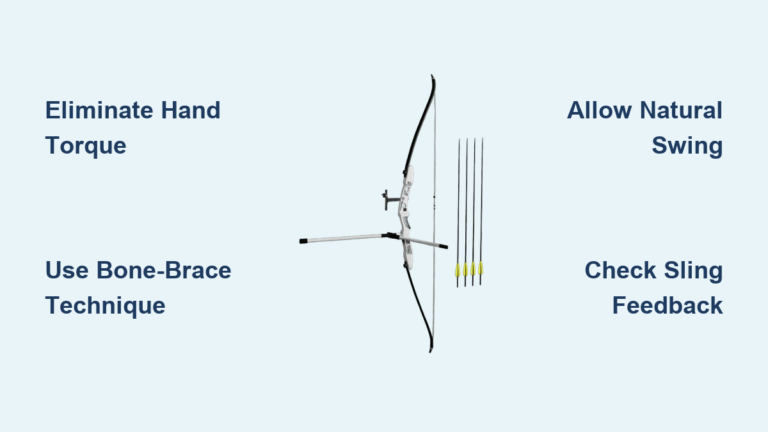
For traditional bows, a bow stringer is non-negotiable for safe and even limb flexing. There are two main types:
- Rope stringer: Features a large loop stepped on and smaller loops that attach to limb tips
- Pouch stringer: Uses a fabric pouch over the riser and loops on each limb
Additional safety gear includes gloves to protect your hands from friction and safety glasses to prevent eye injury if the string snaps. Never rely on hand strength alone unless using a low-draw youth bow.
Tools for Compound Bows
Compound bows operate under extreme tension and require specialized equipment:
- Bow press: The only safe way to service most modern compounds. Double-pull presses apply balanced force to both limbs
- Cable cutters or Kershaw Cargo knife: For removing peep sights from old strings
- Replacement strings and cables: Must match original specs exactly, including strand count, material, and length
- Wax: Apply to new strings to reduce friction during installation and extend life
- Paper clips: Temporarily hold yoke cable ends in place during setup
Pro Tip: Order replacement strings from trusted suppliers like Mean Moose Archery to ensure exact fit and quality.
Use a Bow Stringer for Recurve and Longbows
This is the only recommended method for traditional bows. It evenly flexes both limbs, prevents warping, and preserves your warranty coverage.
Step-by-Step Stringing Process
-
Attach the Stringer
– Slide the large loop of the stringer over the top limb
– Hook the small loop onto the bottom limb tip
– Ensure the pouch or hood covers the riser to prevent scratches -
Position and Step In
– Lay the bow flat on the ground
– Step into the main loop with one or both feet. Taller archers may use one foot while shorter users can spread two feet wide for more leverage -
Bend and Seat the String
– Grasp the bow handle with your dominant hand
– Bend at the waist and pull upward while keeping downward pressure with your foot
– As the limbs bend, guide the bowstring into the top limb nock with your free hand -
Verify Proper Seating
– Make sure the string is fully seated in the grooves on both limb tips
– Gently tug the string and pluck it to settle it into position -
Remove the Stringer
– Slowly lower the bow to release tension
– Remove the stringer loops from both limbs
Warning: If the string spins or sits backward, remove it, reseat it correctly, and repeat the process.
How to Unstring Safely
To unstring after use, especially important for wooden recurves:
- Reattach the stringer as above
- Step into the loop and lift the bow
- Pull the top string loop down the limb to release it
- Lower the bow carefully
Best Practice: Always unstring wooden recurves when not in use to prevent permanent set.
Alternative Stringing Methods for Traditional Bows
These should only be used in emergencies or when a stringer is not available. They carry higher risks of limb twist or injury.
Push-Pull Technique for Low-Draw Bows
Best for youth bows under 30 lbs.
- Hold the bow grip with your right hand
- Place the bottom string loop on the lower limb tip
- Rest the limb tip against your foot, not in soft soil
- Push forward with your left hand on the string while pulling back with your right
- Slide the top loop into the upper nock
Risk: Uneven pressure can twist limbs. Avoid this method on adult or hunting-weight bows.
Step-Through Method for Heavier Recurves
For stronger recurves when no stringer is available.
- Hold the bow by the grip, creating space between string and limbs
- Attach the bottom string loop
- Step through the bow with your right foot so the limb rests across your ankle
- Keep the limb tip off the ground
- Press the upper limb forward with your left hand while sliding the string into the top nock
Critical Safety Rule: Keep your head and face to the side of the bow. Never position yourself in line with the limbs.
Restring a Compound Bow with a Bow Press
Modern compound bows must be re-strung using a bow press. Attempting by hand risks catastrophic limb failure.
Safety First: Always Wear Eye Protection
Wear safety glasses at all times during the process. If the old string is cracked or frayed, consider professional service instead. Never attempt this without proper training if you are inexperienced.
Select the Correct Press
- Double-pull press: Safer and more stable. Recommended for most bows
- Single-pull press: Less balanced. Use only if double-pull is not available
- Specialized press: Required for past-parallel limb designs
Ensure compatibility with your bow model before starting.
Step-by-Step Press Procedure
-
Loosen Limb Bolts
– Turn the weight-adjustment bolts 5 to 7 turns out, alternating between top and bottom limbs to maintain balance -
Secure the Bow in the Press
– Follow manufacturer instructions to clamp or attach the bow
– Ensure it is centered and stable before applying pressure -
Remove Old String and Cables
– Use a Kershaw knife to cut and remove the peep sight
– Detach the old string from the cams
– Remove yoke and control cables one at a time -
Install New String
– Wax the new string for smoother installation
– Loop the string over the cam post and seat it in the teardrop groove
– For single-cam bows, route the string around the idler wheel and back to the cam
– Match the original path exactly. Do not alter twists or routing -
Replace Yoke Cables
– Install the new yoke cable on the bottom cam
– Align the ends with the cable slide to prevent rubbing
– Use paper clips to temporarily hold front ends in place before securing -
Install Control Cable
– Route the new cable around the limb and press arms
– Slide it through the cable guide, replacing the old one
– Position it exactly as the original to maintain cam timing -
Tighten and Release
– Gradually tighten the limb bolts, alternating sides
– Slowly release the press while watching that strings and cables stay seated -
Final Checks and Tuning
– Lower the bow and perform a quick draw to verify everything is secure
– Adjust twist in yoke cables to match the original setup
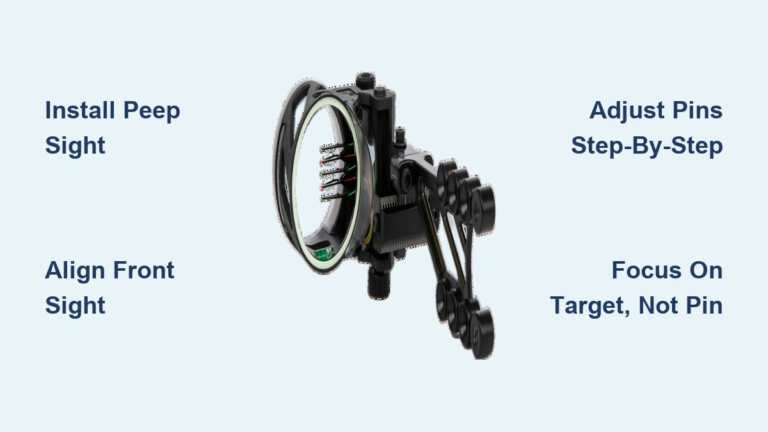
– Reinstall the peep sight
– Conduct paper tuning with both light and heavy arrows
– Test shoot at multiple distances until groups tighten
Time-Saving Tip: With experience, full string replacement, excluding tuning, takes under five minutes.
Hand Restringing Teardrop-Style Compound Bows

Only applies to older compound models with dual-groove teardrop attachments.
Is Your Bow Compatible
Your bow must meet these conditions:
- Must have two grooves per limb tip
- Must still have the old string attached
- Never attempt on modern compound bows
Step-by-Step Hand Method
-
Loosen Limb Bolts
– Turn each bolt out 1 to 2 turns, alternating sides -
Use Old String as Lever
– Step on the old string with both feet
– Lift the bow to flex the limbs slightly -
Attach New String
– Slip the new string loops into the empty grooves on each teardrop -
Seat the New String
– Lower the bow
– Step on the new string and draw the bow slightly to fully seat the loops -
Remove Old String
– Unhook the old string from both teardrops
Warning: This method is obsolete. Do not attempt on any bow not explicitly designed for it.
Fix Common Stringing Problems
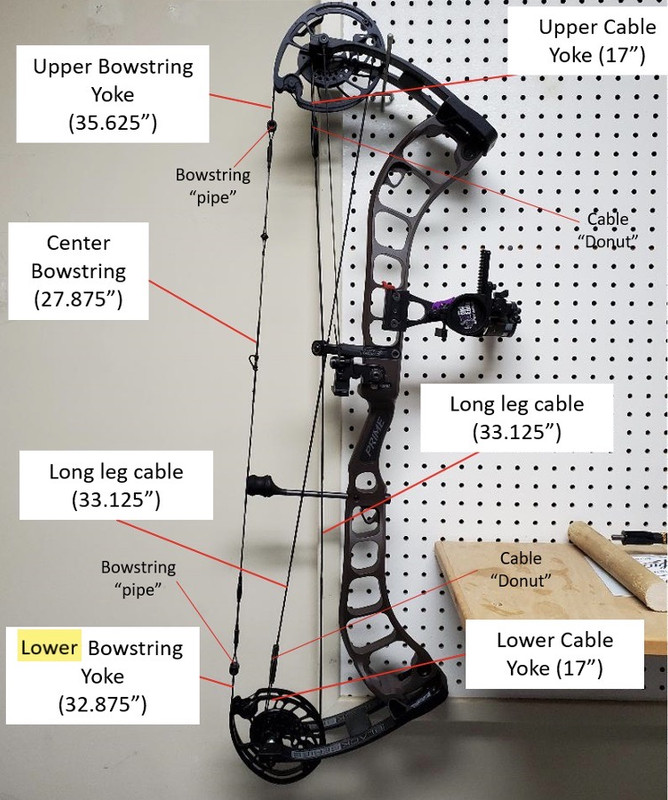
Even experienced archers encounter issues. Here is how to troubleshoot them quickly.
String Spins or Sits Backward
- Cause: Improper seating in the nock
- Fix: Remove the string, reseat it fully in the groove, and reapply tension. Pluck several times to settle
Loud Snap During Stringing
- Cause: String slipping into the groove
- Fix: Usually harmless. Inspect limbs and string for damage
Improper Seating
- Cause: String not fully engaged
- Fix: Adjust until flat and secure. Tug gently to confirm
Limb Twist
- Cause: Uneven pressure, common in push-pull or step-through methods
- Fix: Use a bow stringer. Inspect limbs for warping and replace if bent
Peep Sight Misalignment
- Cause: Incorrect rotation or placement
- Fix: Reinstall peep sight and adjust during tuning
Cable Rubbing
- Cause: Misaligned yoke or control cable
- Fix: Re-route to avoid contact with slide or frame
Maintain Your Bow Strings for Longevity
Proper care extends string life and keeps your bow shooting accurately.
After Every Stringing
- Inspect string grooves for debris or wear
- Pluck the string to check tension and centering
- Look for fraying, broken strands, or bumps
Regular Maintenance Schedule
- Wax strings every 3 to 5 weeks or after 5 to 10 shooting sessions
- Replace strings at first sign of wear. Do not wait for failure
- Store unstrung if unused for weeks, especially wooden recurves
Durability Tips
- Repeated improper stringing warps wooden limbs
- On compounds, replace strings and cables as a set to maintain cam sync
- Using a bow press preserves limb alignment and cam timing
Protect Your Warranty and Follow Safety Rules
Many manufacturers require proper stringing methods to honor warranties.
- Recurve and longbow: Most require bow stringer use. Hand stringing may void warranty
- Compound: Hand restringing, except on teardrop models, typically voids coverage
- Always consult the manual before proceeding
Bottom Line: When in doubt, take it to a pro shop. A 20 dollar service call beats a 300 dollar limb replacement.
Frequently Asked Questions About Restringing a Bow and Arrow
Can I restring my recurve bow without a stringer?
You can use the push-pull technique for low-draw youth bows under 30 pounds or the step-through method for heavier recurves, but these methods carry risks of limb twist. A bow stringer is strongly recommended for safety and to preserve your warranty.
How often should I replace my bowstring?
Replace bowstrings at the first sign of wear, including fraying, broken strands, stretching, or visible bumps. For regular shooters, this typically means every 2 to 3 years, but high-use archers may need replacement more frequently.
Can I hand-string a compound bow?
No. Modern compound bows require a bow press due to high tension and complex pulley systems. Attempting to hand-string a compound bow risks catastrophic limb failure and serious injury. Only older teardrop-style compound bows may allow manual restringing using the old string as leverage.
Why does my bowstring keep spinning after I string it?
The string is not fully seated in the limb groove. Remove the string, place it correctly in the groove, and reapply tension. Pluck the string several times to help it settle into proper position.
Do I need to wax new bowstrings?
Yes. Applying bow wax to new strings reduces friction during installation, extends string life, and improves performance. Wax new strings every 3 to 5 weeks thereafter.
Does restringing my bow affect its warranty?
Yes. Many manufacturers require specific stringing methods, such as using a bow stringer for recurves or a bow press for compounds. Using improper methods may void your warranty. Always check your manufacturer guidelines before restringing.
Key Takeaways for Restringing Your Bow
Mastering how to restring a bow and arrow safely is a core skill for every archer. Always use the correct tool for your bow type: a bow stringer for traditional recurves and longbows, and a bow press for modern compound bows. Avoid shortcuts that risk injury or equipment damage. Inspect all components before and after stringing, follow the original string and cable routing exactly, and always conduct a test draw and tuning session before shooting. With proper technique and regular maintenance, your strings will last longer and your shots will stay tighter. Stay safe, shoot straight, and keep your gear in top condition.