
How to Wax a Bow String: Quick Steps
If you’re an archer, one of the simplest yet most critical maintenance tasks you can perform is waxing your bow string. A well-waxed string stays flexible, resists wear, and delivers consistent performance shot after shot. Over time, repeated use, exposure to moisture, and friction from the arrow and cams dry out the fibers, leading to fraying, reduced speed, and even sudden failure. Waxing protects against all of these issues, extending string life by 30-50% and improving arrow velocity by up to 5 fps. Whether you shoot a compound, recurve, or longbow, this guide walks you through exactly how to wax a bow string the right way.
Why Waxing Your Bow String Matters
Waxing isn’t tradition for tradition’s sake. It’s science-backed maintenance that directly impacts performance and safety.
Modern bow strings use high-tech synthetic fibers like FastFlight, Dyneema, and BCY. These materials are strong but vulnerable to abrasion and environmental stress. Without wax, fibers dry out, become brittle, and start to fray. Wax seals them, preventing moisture absorption and blocking dirt and grit that accelerate wear.
Wax also keeps your string flexible. Dry strings feel stiff and crunchy. Wax lubricates internal fibers, allowing them to move smoothly during draw and release. This flexibility prevents micro-tears and maintains consistent energy transfer.
A dry string squeaks and drags. Wax lowers internal friction, resulting in quieter, smoother draws and faster arrow launch. On compound bows, this also improves cam tracking and reduces string jump.
Choose the Right Wax for Your String

Using the correct wax ensures compatibility, performance, and long-term protection.
Best Waxes for Bow Strings
BCY Branded Wax is engineered for BCY strings and offers deep penetration and consistent texture. Whiskey City String Wax is a premium blend of bear grease and beeswax, ideal for deep conditioning and long-lasting suppleness. Scorpion Venom Wax features a synthetic polymer formula designed for slickness, popular among competitive shooters for speed gains. Silicone-based waxes provide superior moisture resistance and smooth draw, especially on compound bows.
Waxes to Avoid
Avoid paraffin, candle wax, or what experts call “true wax.” These lack protective properties and may degrade synthetic fibers. One expert warns, “If you’re using true wax, throw it away. There’s a lot better products out there.”
Pure beeswax is acceptable for traditional bows with lower draw weights, but it’s stiffer than modern blends, making it less ideal for high-performance strings.
In an emergency, plain paraffin candle wax (unscented, uncolored) can work once, but never make it a habit. Petroleum jelly sometimes works if free of alcohol or solvents, but it attracts dirt and degrades performance over time.
Clean the String Before Waxing
Wax adheres best to clean fibers. Skipping cleaning reduces penetration and traps debris.
Step-by-Step Cleaning
Wipe surface debris using a clean, lint-free cloth. Focus on high-contact zones like the nocking point and cam contact areas.
Clean between strands using dental floss or old serving thread. Wrap it around the string in a loop and pull down the length, like flossing teeth. This removes embedded grit and old wax buildup.
For heavily soiled strings, lightly dampen a soft cloth with isopropyl alcohol and gently wipe the string. Do not soak it. Let it dry completely before waxing.
Never use water, soap, or solvents unless specified by the manufacturer. These can weaken synthetic fibers.
Apply Wax the Correct Way
Correct application ensures protection without risking damage.
How Much Wax to Use
Take a pea-sized amount of wax. For longbows or heavy-use compound strings, slightly more may be needed.
If using a Chapstick-style tube, apply wax to your fingertips, not directly onto the string. This prevents contamination and preserves the wax stick.
Where to Wax
Apply only to exposed string sections, the main strands between the servings and limb tips.
Never wax the servings (the tightly wound sections near the nocking point or cams). Wax reduces grip, increasing the risk of arrow slippage or dry fire.
Avoid compound bow cables unless the manufacturer specifies they can be waxed.
Work Wax Into the Fibers

Penetration matters more than surface coating. This step conditions the core fibers.
Use Your Fingers
Pinch and rub the string between your fingers and thumbs. Generate gentle heat through friction to melt the wax slightly and drive it into the fibers. Continue until white clumps disappear and the string feels smooth and slightly tacky.
Critical: One Direction Only
Never rub back and forth. Back-and-forth motion bends fiber wisps repeatedly, causing micro-tears that shorten string life.
Instead, move in one consistent direction. Start at the center serving and move toward the limb tip. Lift your hand and return to the start. Do not drag backward. Think of petting a cat, always in the direction of the fur.
Proper Burnishing When Needed
Burnishing compacts the string bundle but must be done correctly. Use a loop of the same string material (not serving thread). Pull in one direction only, for example, center to limb tip. Do this only when installing a new string or after heavy waxing.
Do not use leather patches or synthetic burnishing tools. They generate invisible heat that damages microfibers.
Remove Excess Wax
Leftover wax attracts dust and creates sticky buildup.
Wipe the string thoroughly with a clean, lint-free cloth. Pay special attention to areas near the servings, where wax buildup can interfere with arrow nocking or serving stability.
Use your fingers to roll excess wax into small balls and discard them.
The string should have a slight sheen, not glossy or matte, and feel subtly tacky but not sticky.
Common Waxing Mistakes to Avoid
Avoid these common mistakes. They can ruin your string.
Waxing the Servings
This causes slippage and insecure arrow nocking, leading to potential dry fire. Wax only the exposed string.
Using Back-and-Forth Motion
This creates micro-tears in fibers. Rub in one direction only, then lift and reposition.
Using Leather or Aggressive Tools
These generate undetectable heat that damages fibers. Use only fingers or a string loop.
Over-Waxing
This attracts dirt and causes gummy buildup. Apply sparingly and wipe off excess.
Waxing a Wet String
This traps moisture inside, leading to internal degradation. Dry completely before waxing.
Using Incompatible Wax
This may degrade synthetic fibers. Use only archery-specific waxes.
Stop immediately if the string or your fingers get warm. This indicates overheating.
Serving Wax vs. String Wax
These are not the same product.
Serving wax is a specialized adhesive used only during serving installation or repair. It helps the serving thread grip the main string. Do not apply it to the main string or during routine maintenance.
Bow string wax is for regular care of the exposed string.
How Often Should You Wax
Frequency depends on use, environment, and string age.
Waxing Schedule by Use
Light use (occasional/recreational) requires waxing every 6-8 weeks. Inspect monthly for dryness.
Moderate use (regular practice) requires waxing every 3-4 weeks. Wax after rainy or humid sessions.
Heavy use (competitive/hunting) requires waxing every 1-2 weeks, especially under high draw weight.
After wet exposure, wax immediately after the string dries completely. Never wax a damp string.
Before and after storage, wax at the start and end of the off-season to prevent dryness and UV damage.
Wax before tournaments to ensure peak performance.
Signs Your String Needs Waxing
Don’t wait for a schedule. Use these cues to determine when waxing is needed.
Visual Indicators
Dull, chalky, or whitish appearance indicates dry fibers. Fuzziness or fuzz balls near the nocking point show wear. Loss of natural sheen means the string is drying out.
Tactile Clues
The string feels stiff or rough when flexed. There’s increased resistance during draw. Wax has visibly worn off below the nocking point.
Performance Warnings
Audible crackling or squeaking during draw or release indicates friction. Inconsistent shot grouping suggests string problems. A slight drop in arrow speed means the string isn’t performing optimally.
Waxing by Bow Type
The process is universal, but wax choice and frequency vary by bow type.
Compound Bows
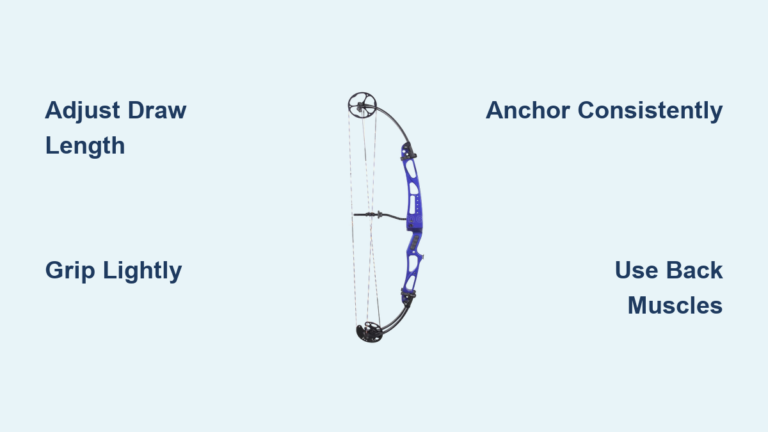
Wax the main string only. Avoid cables unless specified. Use silicone-based or branded waxes like Scorpion Venom for slickness and cam tracking. High tension increases wear, so wax more frequently.
Recurve Bows
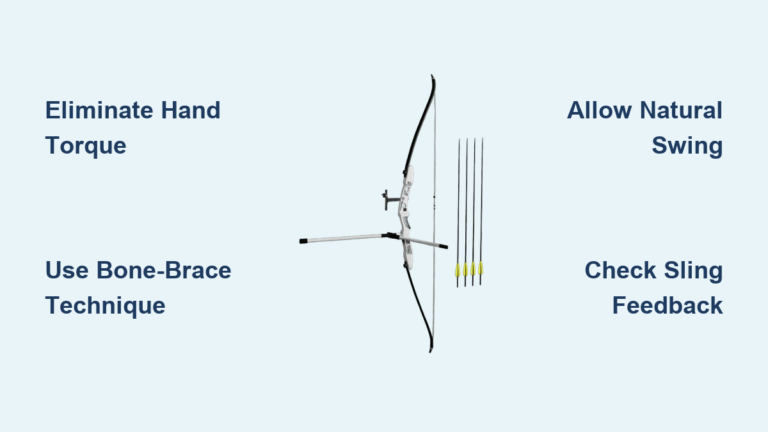
Standard waxing applies. Beeswax is acceptable for traditional models. Focus on the center serving and nocking zones.
Longbows
Larger strings need slightly more wax. Pay attention to limb tips and brace height areas.
Crossbows
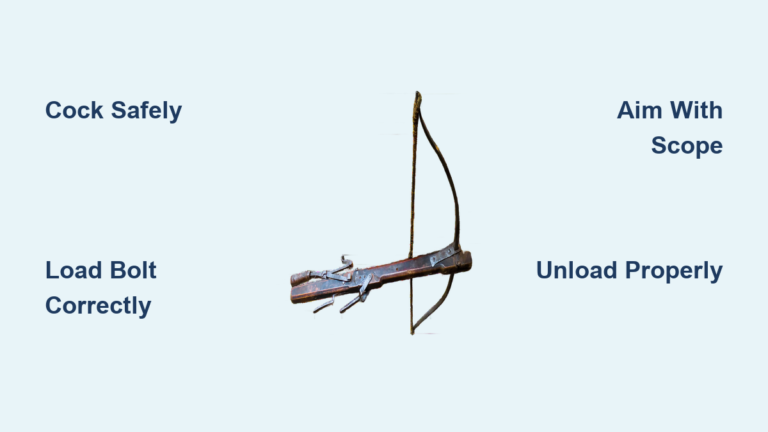
Use heavy-duty wax due to extreme tension. Follow manufacturer guidelines, as some strings require specialized care.
Top Wax Brands and Products
BCY Branded Wax
This proprietary blend is designed for BCY strings. It offers excellent compatibility and is trusted by professionals. One user reports, “I wax my bow string with the BCY branded wax.”
Whiskey City String Wax
This blend of bear grease and beeswax provides deep penetration and long-lasting protection. It’s praised for suppleness and durability.
Scorpion Venom Wax
This synthetic polymer formula delivers high slickness and a speed boost. It’s favored by competitive archers.
Inspect Your String Every Time You Wax
Use waxing as a maintenance check opportunity.
Look For
Broken, frayed, or missing strands indicate damage. Twisting, unraveling, or delamination shows structural problems. Stretching beyond original length means the string is wearing out. Serving slippage or wear at the nocking point needs attention.
Replace the String If
Multiple broken strands are visible. Wax doesn’t restore suppleness. Core damage or permanent deformation is present.
Store Wax and Your Bow Properly
Wax Storage
Keep wax in a cool, dry place. Avoid direct sunlight or hot vehicles, as heat can melt or degrade wax. In cold weather, warm wax in your hands before use for better flow.
Bow Storage
Always store your bow in a case or cover. Wax offers limited UV protection, so don’t rely on it alone.
Performance Benefits of Proper Waxing
Proper waxing delivers measurable benefits.
Arrow velocity increases by 2-5 fps due to reduced friction. Shot consistency improves, leading to tighter groups and better accuracy. Durability increases, resisting wear from repeated use. Weather resistance improves, allowing the string to perform in rain, snow, and humidity.
Frequently Asked Questions About Waxing a Bow String
Can I use candle wax on my bow string?
No. Candle wax (paraffin) lacks protective properties and may degrade synthetic fibers. Use only archery-specific waxes designed for modern string materials.
Should I wax the servings on my bow string?
Never wax the servings. Wax on the servings reduces grip, which can cause arrow slippage or dry fire. Apply wax only to the exposed string sections.
How do I know if I’m applying too much wax?
If the string looks glossy or feels sticky, you’ve applied too much wax. The string should have a slight sheen and feel subtly tacky but not sticky.
Can I wax my compound bow cables?
Avoid waxing compound bow cables unless the manufacturer specifies it’s safe. Cables often use different materials that may not be compatible with standard bow string wax.
What happens if I rub the wax back and forth?
Back-and-forth motion creates micro-tears in the fibers, significantly shortening string life. Always rub in one direction only, then lift and reposition.
How long does wax last on a bow string?
This depends on usage and environment. Light use may see wax last 6-8 weeks, while heavy competitive use may require reapplication every 1-2 weeks.
Key Takeaways for Waxing Your Bow String
Waxing a bow string is a small task with massive returns. By cleaning first, using the right wax, applying it correctly, and inspecting your string each time, you ensure peak performance, safety, and value from your gear.
Remember these critical rules. One-directional rubbing preserves fiber integrity. Never wax the servings. Use quality archery-specific products only. Inspect for damage during every waxing session.
Your string will last longer, shoot faster, and stay reliable in every condition when you maintain it properly.