How to Store a Compound Bow Properly
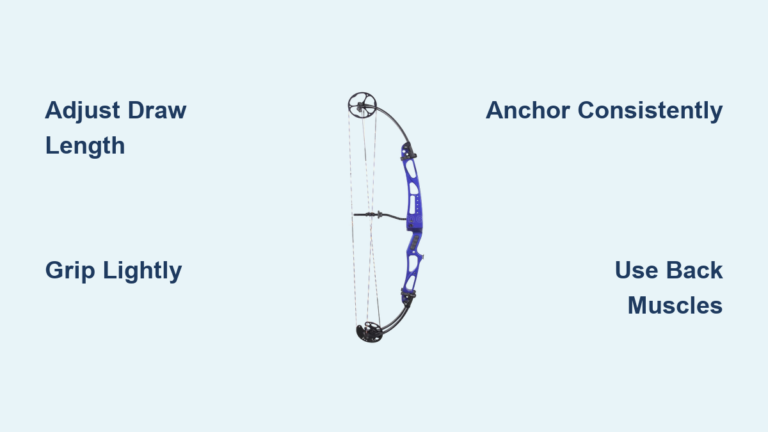
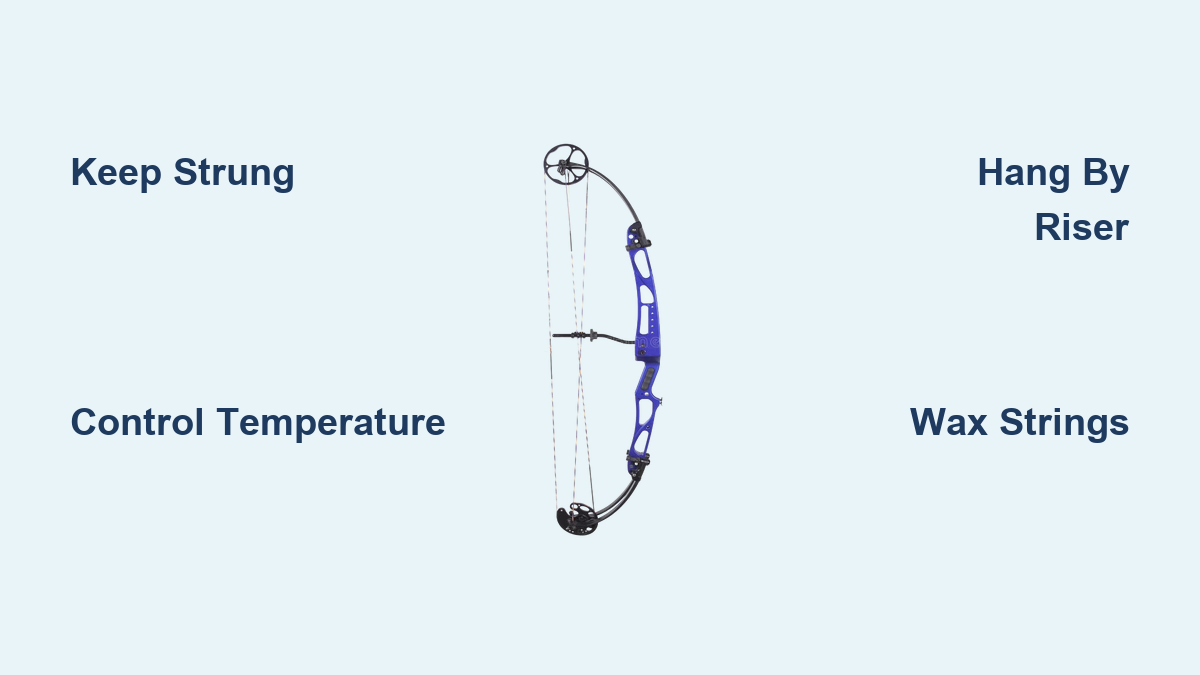
Leaving your compound bow in a dusty garage corner or sweltering attic is a guaranteed way to shorten its lifespan and degrade its performance. Unlike traditional recurve bows, compound bows should remain strung during storage, a fact that surprises many new archers. Modern compound limbs are engineered to handle continuous tension for years, and unstringing can actually damage cam timing or warp the limb structure. The real threats to your bow are heat, humidity, UV exposure, and plain neglect. This guide covers every critical step for proper compound bow storage, from cleaning and waxing to choosing between wall mounts and hard cases, so your bow stays ready whenever you want to shoot.
Keep Your Compound Bow Strung: The Unstringing Myth Debunked
Why Unstringing Damages Compound Bows
Never unstring your compound bow for storage. This advice applies to recurve and longbows, not compounds. Compound bows rely on precise cam alignment and limb tension to function correctly. Unstringing risks cam timing misalignment, limb warping, and potential stress fractures. The process of restringing can also be difficult and dangerous if done incorrectly.
Modern compound limbs withstand 130,000 to over 200,000 psi and can remain safely strung for years. The Archery Trade Association and professional bow technicians agree that unstringing is unnecessary and potentially harmful.
Should You Back Off Limb Bolts
Most experts recommend leaving limb bolts completely untouched. However, some archers reduce tension by two to five turns for long-term storage, believing it may slightly extend string life.
If you choose to adjust limb bolts, take photos of the current positions and label your bow with the settings. Always re-tune before using the bow again. Leaving bolts as they are ensures your bow stays factory-tuned and ready to shoot.
Control Your Storage Environment: Temperature, Humidity, and UV

Ideal Storage Conditions for Compound Bows
Store your bow in conditions that prevent damage. The ideal temperature range is 50 to 70 degrees Fahrenheit, and relative humidity should stay between 40 and 60 percent.
Avoid storing your bow in these problematic areas:
• Attics and garages with extreme summer heat
• Basements prone to high humidity and mold
• Vehicles subject to temperature swings from -20°F to 150°F
Protect Against Heat and Sunlight
High heat causes limb warping, softens adhesives, and degrades cam bushings. UV rays break down string fibers found in brands like BCY and FastFlight while fading finishes on risers and limbs.
Check for warning signs of UV damage, including faded string color or brittle texture. Never store your bow near windows, radiators, or in direct sunlight.
Combat Moisture and Rust
Moisture leads to rust on axles, bolts, and cams. It also swells and weakens riser materials while degrading string fibers.
Place silica gel packets inside your storage case to absorb excess moisture. Replace these packets every one to three months for maximum effectiveness.
Wall Storage: Hang Your Bow the Right Way
Why Hang by the Riser, Not the String
Always hang your compound bow by the riser, which is the strongest and most stable part of the bow. Hanging by the string or cables places uneven stress on the cam system, leading to premature wear, cable stretch, and cam misalignment.
Use padded or rubber-coated hooks to prevent scratches and finish damage.
Best Wall Mount Options for Compound Bows
Padded guitar hangers work exceptionally well for compound bows. The String Swing CC01K-BW features a curved design that fits bow shapes perfectly, and padded grips prevent scratches. Install into wall studs for support up to 30 pounds.
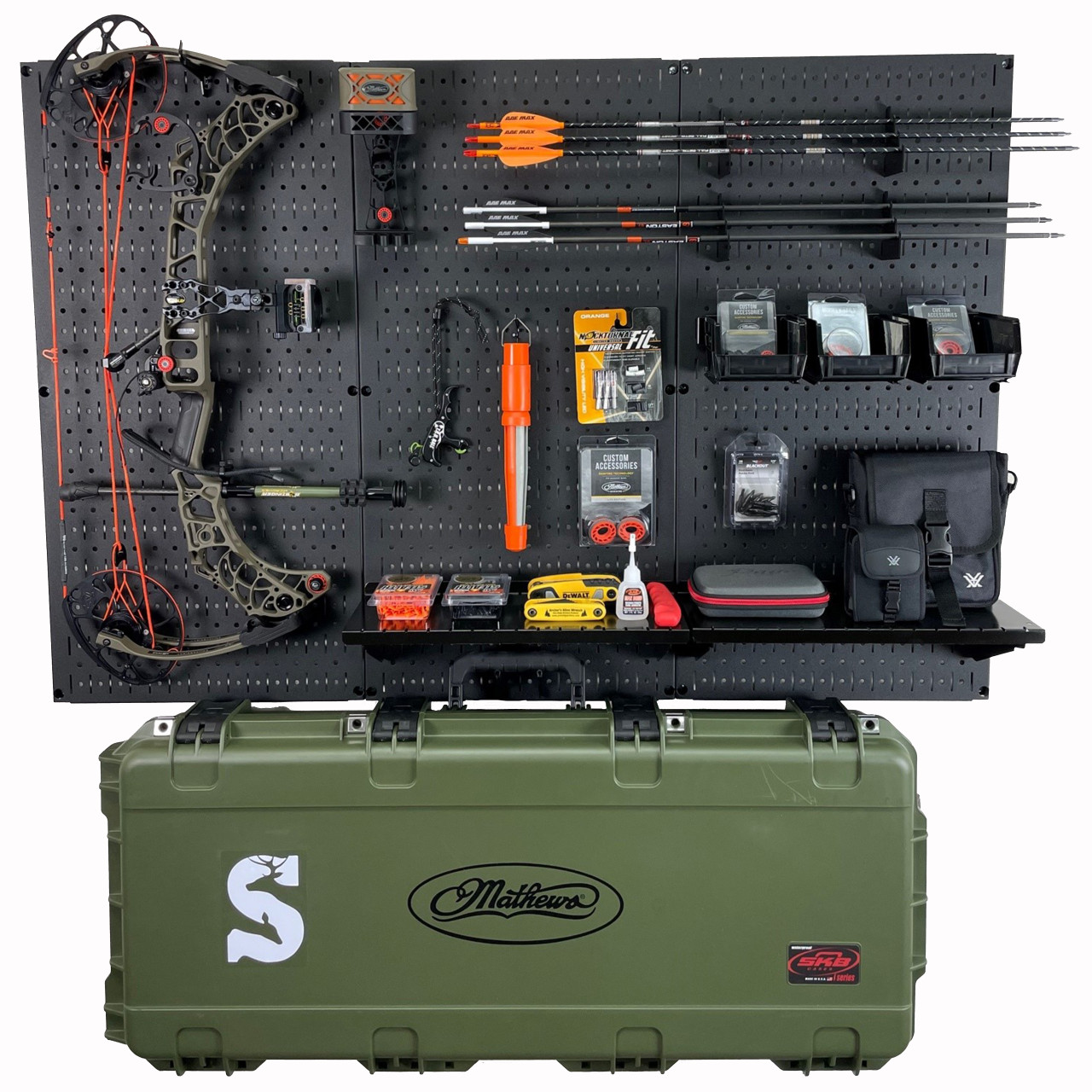
Pegboard systems offer modular flexibility. The Gun Pegboard system from Wall Control accepts standard quarter-inch pegboard accessories and can hold bows, arrows, tools, and accessories all in one location.
DIY wooden bow holders provide a budget-friendly option. Building one costs approximately $20 using one-by-six boards, three-eighths inch dowels, and pocket screws. These holders can store up to three bows and seven arrows while providing a bottom shelf for stabilizers and releases.
Hard Cases for Long-Term and Transport Storage
What to Look for in a Quality Hard Case
Choose a case with an impact-resistant outer shell. Airline-approved cases indicate superior durability. Look for lockable latches with keyed locks for security.
High-density custom-cut foam prevents part contact, absorbs shock, and blocks moisture when dry. Handles should be large enough for gloved hands.
Never transport a loose bow in a vehicle. Vibration and bumps can damage cams and limbs.
Hard Case Best Practices
Follow these steps before closing your case:
• Dry the bow completely before storage
• Add silica gel packets to absorb moisture
• Store the case off the floor on a shelf
• Keep the case in a climate-controlled space, never in a shed or attic
Store arrows in a separate case to prevent fletching damage.
When Soft Cases Are Acceptable
Soft cases offer minimal protection and are only suitable for short-term indoor storage in low-risk environments. They do not adequately protect against impact, moisture, or UV exposure.
Pre-Storage Maintenance: Clean, Inspect, and Wax
Step 1: Wipe Down Your Bow
Use a damp cloth to remove dirt, sweat, and grime from the entire bow. Use damp Q-tips for tight spaces around cams, axles, and accessory mounts. Dry thoroughly with a clean cloth.
Never store a wet bow. Moisture causes rust and corrosion.
Step 2: Inspect for Damage
Check these components before storage:
• Strings and cables for fraying, broken strands, or worn servings
• Cams for cracks, dings, or flat spots
• Limbs for warping, delamination, or stress fractures
• Hardware including screws, bolts, and mounting points
• Accessories such as sight, rest, quiver, and stabilizer
If you find damage, take your bow to a certified bow technician.
Step 3: Wax Strings and Cables
Waxing is critical for preventing moisture absorption, reducing friction, and extending string life. Apply wax generously along the entire length of strings and cables. Rub in with fingers or a cloth and let sit for 10 minutes. Wipe off excess.
The Archery Trade Association recommends waxing before seasonal storage.
Step 4: Lubricate Metal Parts
In humid climates, apply a light coat of gun oil to screws, bolts, and axles. Avoid contact with strings or cams, as oil can weaken fibers.
Organize Arrows and Accessories
Proper Arrow Storage
Carbon and aluminum arrows should be stored in a quiver, case, or divider in a dry, temperature-stable environment. Avoid extreme temperatures that weaken adhesives.
Wooden arrows require more care. Coat them with varnish or oil and keep feathers dry.
Use hard cases for transport and long-term storage to prevent bent shafts and damaged fletchings.
Accessory Organization Solutions
Pegboard hooks work well for holding releases, tools, and broadhead cases. Plastic hanging bins store field points, nocks, and spare parts. Shelves keep stabilizers, sight tools, and back bars organized.
Mount a 14-inch accessory hanger bracket to hold plastic bins for easy access.
Long-Term Storage for Seasonal or Backup Bows
Pre-Storage Checklist
Before storing your bow for months, complete these steps:
- Clean the bow thoroughly
- Inspect all components
- Wax strings and cables
- Optionally back off limb bolts two to five turns
- Add silica gel packets to your case
- Label bolt settings if adjusted
- Store in a hard case in a climate-controlled space
Professional Tune-Up Before Next Season
Even with perfect storage, get a professional tune-up before your first shoot. This ensures correct cam timing, checks for hidden wear, and optimizes performance for a faster return to the field.
Winter is typically slow for pro shops, making it the ideal time to book appointments.
Avoid Common Storage Mistakes
Storage Myths That Damage Bows
Several myths persist that can actually harm your compound bow. The claim that you must unstring a compound bow for storage is false. Keep your bow strung. The belief that backing off limb bolts extends limb life is unproven, as modern limbs are designed for continuous tension.
The idea that cases trap moisture is only true if the bow is damp. Use silica gel to prevent this. The notion that heat does not hurt is false, as heat warps limbs and degrades strings.
What Not to Do
Never store your bow in an attic, garage, or shed. Never hang by the string or cables. Never leave the bow in direct sunlight. Never store it wet or dirty. Never skip waxing and inspection.
Choose the Right Storage Method for Your Needs
Home Enthusiast: DIY Wall Holder
A DIY wall holder costs approximately $20 and mounts securely on a wall. It displays your bow while storing arrows, making it perfect for easy access and budget-conscious archers in offices or dens.
Hunter: Hard Case with Arrow Case
A hard case protects your bow during transport in trucks or cabins. Lockable options provide security, and durable construction survives rough handling. This approach works best for seasonal use and travel.
Competitive Shooter: Pegboard Organizer
The Gun Pegboard system holds three or more bows plus arrows, tools, and accessories. Its modular design expands as needed and provides an organized workspace for tuning and preparation.
Collector: Display Case or Pegboard
Glass display cases showcase collections beautifully. Pegboard with lighting provides functional display while keeping your bows in pristine condition.
Frequently Asked Questions About Storing a Compound Bow
Should I unstring my compound bow for storage?
No, never unstring a compound bow for storage. Unlike recurve or longbows, compound bows rely on consistent limb tension for proper cam timing. Unstringing risks damaging the limb structure and throwing off alignment. Modern compound limbs are designed to remain strung for years.
What temperature is best for storing a compound bow?
The ideal storage temperature is between 50 and 70 degrees Fahrenheit. Avoid attics, garages, and vehicles that experience extreme temperatures. High heat warps limbs and degrades cam bushings, while cold temperatures can stiffen strings.
How do I protect my compound bow from humidity?
Use silica gel packets inside your storage case to absorb excess moisture. Store in a space with 40 to 60 percent relative humidity. Avoid basements prone to dampness, and never store a wet bow.
Does hanging my bow by the string cause damage?
Yes, hanging by the string or cables creates uneven stress on the cam system. This leads to premature wear, cable stretch, and cam misalignment. Always hang your compound bow by the riser using padded hooks.
How often should I wax my bowstring before storage?
Apply bowstring wax before seasonal storage and periodically throughout the year. Waxing prevents moisture absorption, reduces friction, and extends string life. The Archery Trade Association recommends waxing before putting your bow away for extended periods.
What should I do before storing my compound bow for the off-season?
Clean the bow thoroughly and wipe it dry. Inspect all components for damage. Wax strings and cables generously. Optionally back off limb bolts two to five turns. Add silica gel packets to your case. Store in a hard case in a climate-controlled space.
Key Takeaways for Storing Your Compound Bow
Proper storage directly impacts how long your compound bow lasts and performs. Always keep your bow strung, as modern limbs handle continuous tension without damage. Store in a cool, dry, climate-controlled environment between 50 and 70 degrees with 40 to 60 percent humidity.
Hang by the riser using padded hooks, never by the string. Clean, inspect, and wax your bow before any storage period. Use silica gel packets in cases to combat moisture. For long-term storage, place your bow in a hard case rather than soft cases or leaving it exposed.
Following these steps ensures your compound bow stays ready, reliable, and accurate season after season.