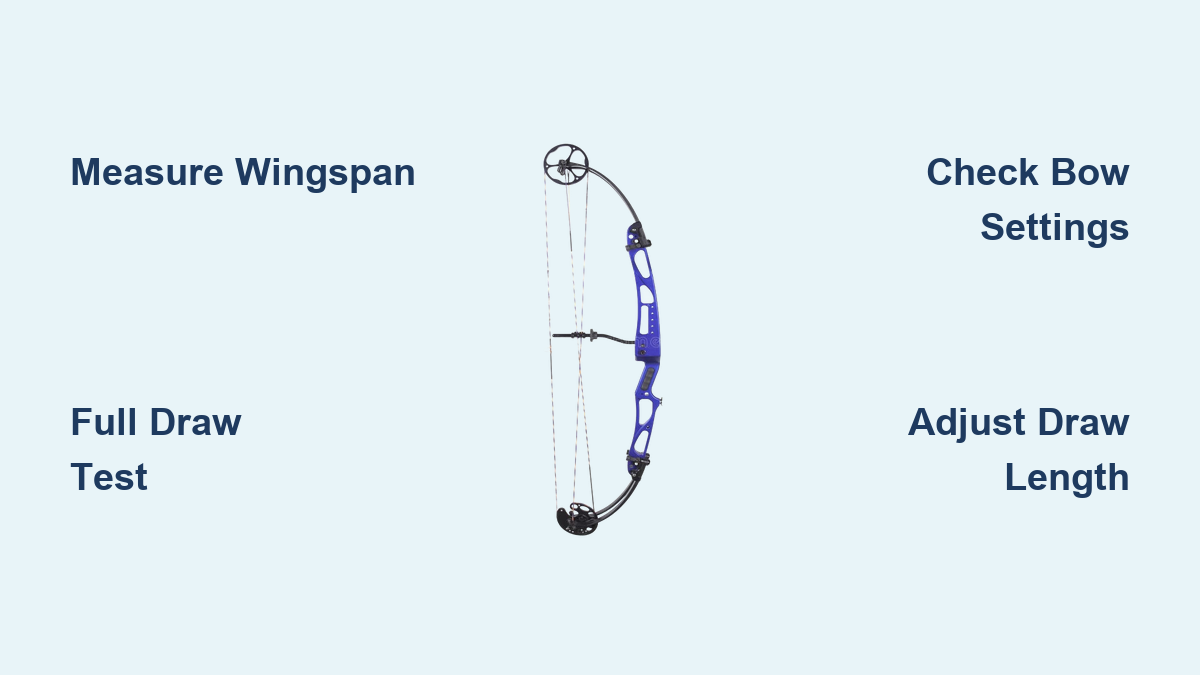
How to Measure a Compound Bow: Step-by-Step Guide
Getting the right draw length is essential for accuracy, comfort, and safety when shooting a compound bow. If your draw length is off even by one inch, it can throw off your form, reduce precision, and lead to strain or injury over time. The correct draw length ensures you anchor consistently, engage your back muscles properly, and align your sight with the string and arrow rest. Whether you are setting up your first bow or fine-tuning your current setup, knowing how to measure a compound bow draw length accurately is the foundation of a successful shot.
There are two main approaches to determining draw length: estimating using your wingspan and measuring directly at full draw. While the first method gives you a solid starting point, only the second reveals your true functional draw length. In this guide, you will learn both methods, how to verify your bow is actually set to that length, and how to adjust it for peak performance.
Estimate Draw Length Using the Wingspan Method
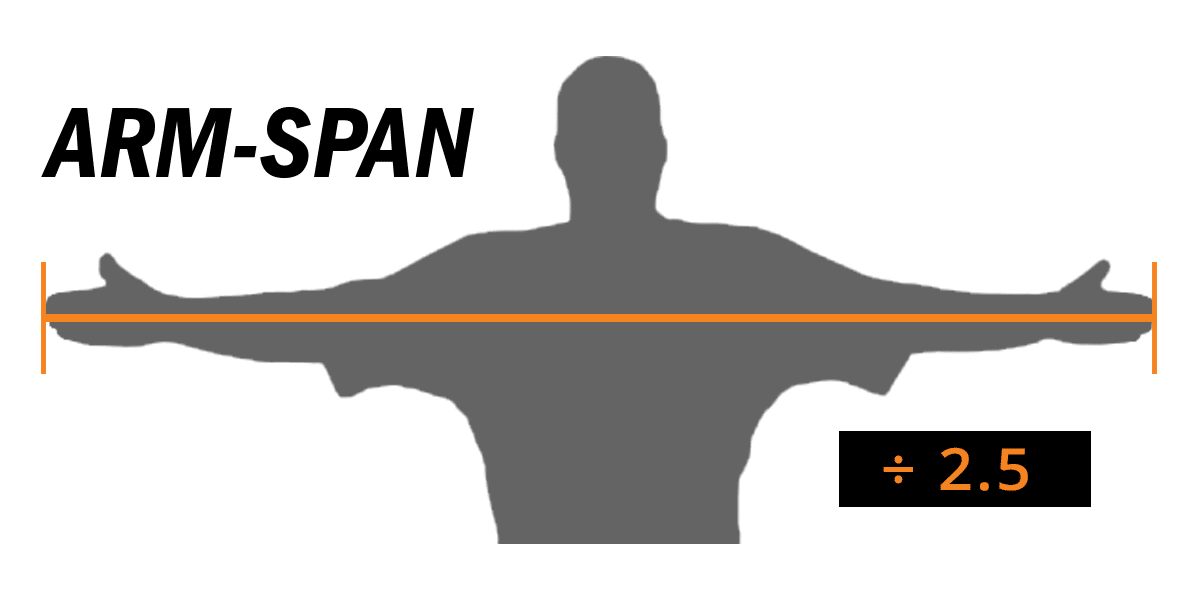
The wingspan method is the most common starting point for determining draw length. It is simple, requires no special tools, and provides a reliable baseline based on body proportions.
Measure Your Wingspan Accurately
Stand with your back flat against a wall and extend both arms straight out to the sides, forming a T shape. Keep your palms forward and arms parallel to the floor without overreaching. Have someone measure from the tip of one middle finger to the tip of the other, measuring across your back. Record the total measurement in inches.
This measurement reflects your overall arm span, which correlates closely with draw length in most archers.
Calculate Draw Length from Wingspan
Use the standard formula endorsed by major manufacturers like Mathews and Mission Archery:
Draw Length equals Wingspan in inches divided by 2.5.
For example, a wingspan of 70 inches divided by 2.5 equals 28 inches of draw length.
Reference Chart for Quick Estimation
If measuring is not possible, use this quick reference chart based on decades of professional fitting experience.
Wingspan of 67 inches corresponds to 26.0 inches draw length. Wingspan of 68 inches corresponds to 26.5 inches draw length. Wingspan of 69 inches corresponds to 27.0 inches draw length. Wingspan of 70 inches corresponds to 27.5 inches draw length. Wingspan of 71 inches corresponds to 28.0 inches draw length. Wingspan of 72 inches corresponds to 28.5 inches draw length. Wingspan of 73 inches corresponds to 29.0 inches draw length. Wingspan of 74 inches corresponds to 29.5 inches draw length.
Pro Tip: If your result falls between standard sizes, round down. A slightly short draw length is more forgiving than one that forces overextension and poor form.
Measure at Full Draw for Maximum Accuracy
While wingspan gives a solid estimate, only measuring at full draw reveals your real functional draw length. This method accounts for your unique form, anchor point, and release style.
Tape or Marker Method
Attach a small piece of masking tape to a long arrow shaft. Assume your normal shooting stance and draw the bow to your natural anchor point. At full draw, have a helper place the tape flush with the front of the riser or arrow rest. Let down safely and measure from the nock groove to the edge of the tape. Repeat this process three to five times and average the results.
Peg-on-Arrow Method
Slide a removable peg or clip onto the arrow before drawing. Draw to full anchor, allowing the peg to stop at the riser or rest. Release and measure from the nock to the peg. This technique eliminates human error and delivers repeatable results.
Yardstick Simulation Method
Hold a yardstick like a bow, with one end pressed against your chest. Draw it back to your anchor point as if shooting. Measure from the front of the stick to the tip of your draw hand. Subtract 1.75 inches to align with AMO standards.
Expert Note: Your draw length may change as your form improves. Re-measure every six to twelve months to account for development.
Understand How Anchor Point Affects Draw Length
Your anchor point directly influences functional draw length. Even with identical wingspans, two shooters can have different draw lengths based on where they anchor the string.
Common Anchor Points by Discipline
For compound bows, the standard anchor is at the side of jaw with the string touching the corner of mouth and tip of nose. Olympic recurve shooters typically anchor under the jawline, which often results in a shorter draw. Traditional and barebow shooters anchor at the corner of mouth, which varies by individual. Instinctive shooters anchor at the cheekbone or earlobe, making it highly individualized.
Key Insight: For compound bows, the arrow nock should sit below the pupil at full draw. If it rests behind your eye, your draw length is likely too long.
Shooters who anchor incorrectly often misalign their sight pins with the string, leading to poor accuracy and compensatory adjustments that become ingrained habits.
Verify Your Bow is Set to the Correct Draw Length
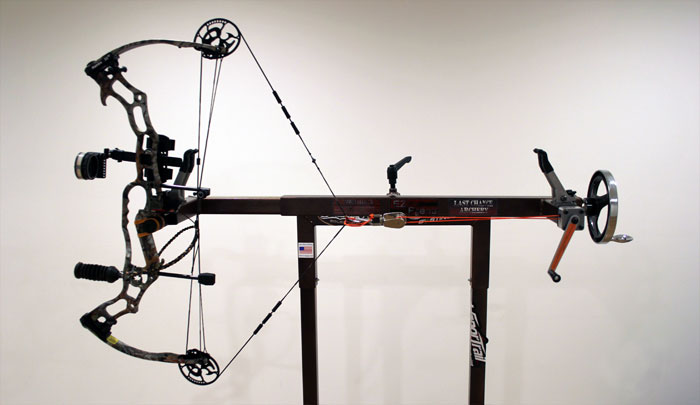
Just because your bow is labeled 28 inches does not mean it actually draws to 28 inches. Manufacturing variances, cam wear, or improper setup can throw off the actual draw length by up to three-eighths of an inch.
The AMO Industry Standard
The Archery Manufacturers and Merchants Organization defines draw length as the distance from the nocking point to the grip pivot point plus 1.75 inches. This accounts for the average distance from the palm to the string at full draw.
Test with a Draw Board
A draw board is the gold standard for measuring actual draw length. Mount the bow vertically in a controlled rig and draw it slowly to full draw using a crank mechanism. Measure from the nock to the pivot point, then add 1.75 inches. This method also allows technicians to check cam synchronization, inspect tiller alignment, and confirm draw stop position.
Warning: Never assume factory settings are correct. Always verify the actual draw length, especially on used or adjusted bows.
Adjust Draw Length Correctly
Most modern compound bows allow draw length adjustment, but the process depends on your specific cam system.
Modular Cam Systems
Modular systems are the most common in current production bows. Small inserts called modules fit into the cam to change draw length. Each module covers a range such as 26.5 to 28 inches. This requires a bow press to unload tension before swapping modules. Modules are affordable and widely available through archery shops.
Tip: Always consult your bow is manual since modules are not interchangeable between different models.
Tool-Free Adjustments
Some beginner and youth bows feature adjustable cams with set screws for fine-tuning without a bow press. This is ideal for growing shooters or experimentation. The trade-off is slight performance reduction compared to fixed cam designs.
Full Cam Replacement
High-performance or older bows may require entire cam replacement. This is expensive and labor-intensive. Verify cam availability before purchasing a used bow.
Recognize Signs of Incorrect Draw Length
Even a properly measured setup can feel wrong if the draw length does not match your form.
Symptoms of Draw Length Too Short
Watch for a bent bow arm elbow at full draw. You may feel like you are reaching or straining forward. Your anchor point becomes inconsistent. Power and arrow speed are reduced.
Fix: Increase draw length in small increments.
Symptoms of Draw Length Too Long
Look for a hyperextended or locked elbow on your bow arm. The string hits your nose, cheek, or jaw. You struggle to achieve a consistent anchor point. The shot feels unstable or out of control.
Expert Insight: Many right-handed shooters with overly long draw lengths shoot left because their sight pins do not align with the string. They compensate by adjusting their pins, which masks the real issue.
Fix: Shorten draw length immediately since comfort beats maximum extension.
Match Arrow Length to Your Draw Length
Once draw length is confirmed, cut your arrows accordingly to ensure safety.
Follow Arrow Length Safety Rules
The arrow should extend at least one inch past the riser at full draw. Shorter arrows risk falling off the rest or causing dangerous dry fires. Longer arrows add weight but improve margin for error.
Never cut arrows before finalizing your draw length since changes afterward require new cuts or entirely new arrows.
Factor in Your Release Aid
Mechanical releases shorten effective draw length slightly compared to finger shooting. Measure using your actual release method and recalculate if switching between fingers and a release aid.
Maintain and Reassess Over Time
Draw length is not set in stone. As your form evolves, so should your setup.
When to Re-Measure
Re-measure after six to twelve months of regular shooting. Do so following major changes in technique or strength. Reassess if you switch anchor points. Measure again after any injury or physical change.
Seasoned Advice: Your draw length will change as your form develops. Regular reassessment prevents ingrained bad habits and keeps your performance sharp.
Key Takeaways for Measuring Your Compound Bow Draw Length
Start with the wingspan divided by 2.5 formula for a baseline. Verify with full-draw measurement using tape, peg, or yardstick method. Check actual bow draw length with a draw board or qualified technician. Adjust via modules or screws rather than guessing. Fine-tune by shooting and watching your elbow position and string alignment. Round down if between sizes since comfort wins over maximum extension. Reassess every six to twelve months or after any significant change.
Expert Advice for Perfect Draw Length
The only true way to know your draw length is to draw back to your preferred anchoring point and measure it. Shooting a bow with a draw length longer than it should be is less accurate than shooting a shorter one. Just because a bow is marked 27.5 inches does not mean it is actually 27.5 inches. Always verify with actual measurement.
For best results, visit a certified archery shop. A trained technician can watch your form, verify measurements, and help dial in your perfect setup, saving you time, money, and frustration.
Frequently Asked Questions About Measuring Compound Bow Draw Length
What is the simplest way to estimate my draw length?
Stand with your back against a wall and extend both arms horizontally. Have someone measure from the tip of one middle finger to the other across your back. Divide that number by 2.5 to get your estimated draw length.
How do I measure my exact draw length at full draw?
Attach tape to an arrow, draw to your natural anchor point, and have a helper mark where the tape meets the riser. Measure from the nock groove to that mark. Repeat three to five times and average the results.
Why does my bow draw length differ from what it is labeled?
Manufacturing tolerances, cam wear, and improper adjustment can cause differences up to three-eighths of an inch. Always verify with actual measurement rather than relying on factory labels.
Can I adjust my draw length without a bow press?
Some beginner and youth bows have adjustable cams with set screws for tool-free changes. Most modern compound bows require a bow press to change modular cams.
How often should I remeasure my draw length?
Re-measure every six to twelve months or whenever your form, strength, anchor point, or physical condition changes significantly.
What happens if my draw length is too long?
A too-long draw length causes the string to hit your face, creates an inconsistent anchor, and leads to hyperextended bow arm elbow. This reduces accuracy and can cause injury over time.