How to Make Bow String Silencers: Easy DIY Guide
If you’re tired of the loud twang after every shot or want to stay undetected in the field, making your own bow string silencers is a fast, affordable, and effective solution. These small additions to your bowstring dramatically reduce noise and vibration, which is critical for hunting success and long-term equipment health. Whether you’re using a traditional longbow, recurve, or compound setup, homemade silencers can outperform commercial models at a fraction of the cost. In just minutes, with materials from your garage or craft store, you can build custom silencers tailored to your bow, environment, and shooting style.
This guide walks you through every proven method, from fluffy wool puffballs to weather-resistant paracord sheaths, so you can silence your shot cycle and improve your overall shooting experience. Each technique includes step-by-step instructions, material options, and expert tips to ensure you get the best results.
Choose the Right Material for Your Bow

Wool Yarn for Maximum Noise Reduction
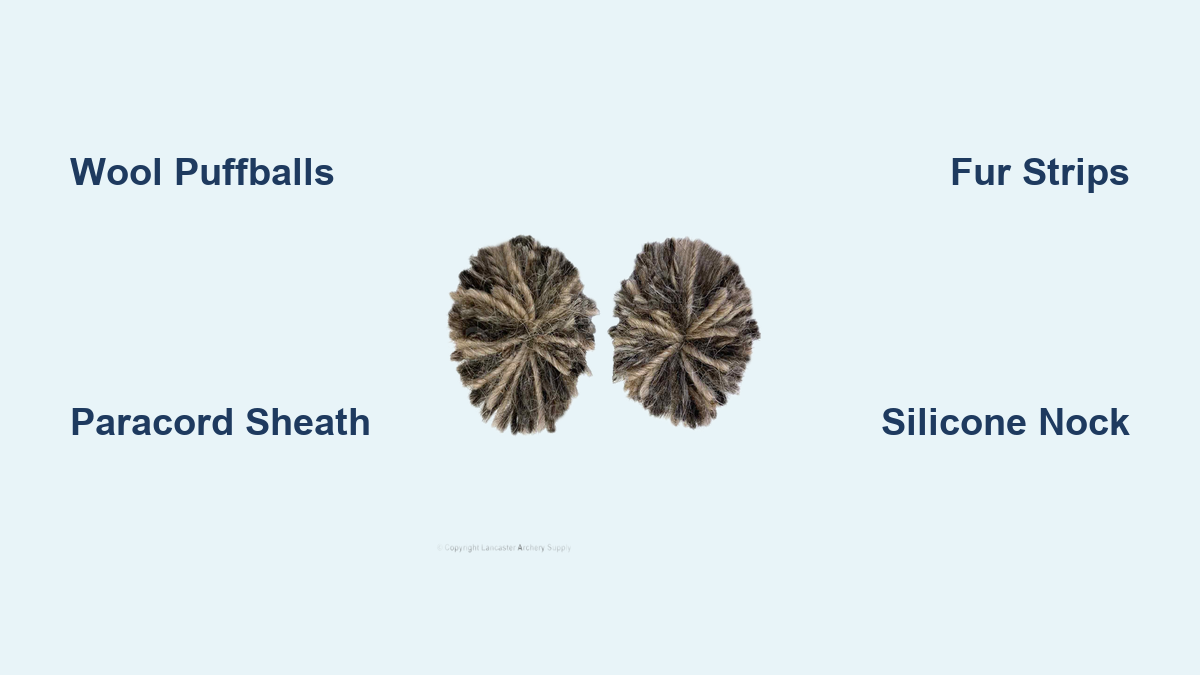
Wool yarn creates highly effective puffball-style silencers that absorb vibration and dampen sound through air resistance. Its natural fluffiness expands after installation, forming a soft cushion on the string that slows oscillation. Use 100% wool for elasticity and bulk, though acrylic works in a pinch. A single skein costs under $3 and makes dozens of sets.
Each puffball weighs approximately 54.4 grains, which may reduce arrow speed by 5 to 6 fps, but most archers accept this trade-off for superior silence. Cut strands carefully and install while the bow is unstrung. Always string the bow before cutting loops to prevent the bundle from unraveling. Once fired, the yarn expands into a dense, spherical shape that stays put for hundreds of shots with occasional fluffing.
Paracord Sheath for Lightweight Performance
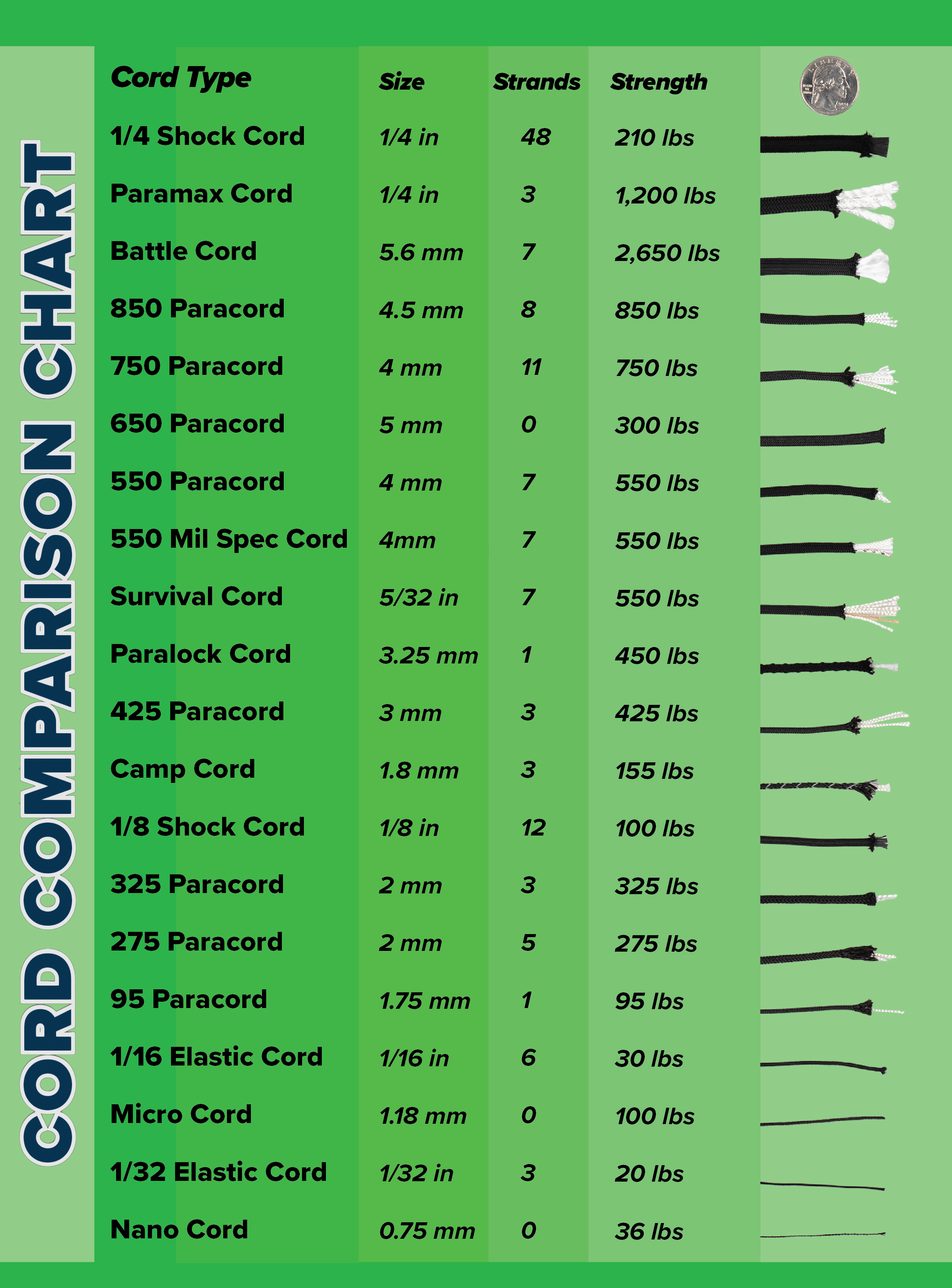
For speed-focused archers, 550 paracord outer sheathing delivers minimal weight and excellent durability. Remove the inner strands and use 6 pieces, each about 2 inches long. Total weight is just 10 grains, making it roughly one-fifth the mass of wool, potentially gaining a few fps. The braided nylon sheds water, so performance stays consistent in rain or humidity.
Insert between string strands 8 to 12 inches from the loop. No knots are needed because restringing locks them in place. Slight fraying at the ends improves grip and appearance. Because it’s so light and low-profile, paracord is ideal for compound bows and all-weather use.
Animal Fur for Traditional Aesthetics
Muskrat, beaver, rabbit, or squirrel tail strips are classic choices for Flemish twist strings. Cut 3/8-inch-wide strips, 4 inches long. Split squirrel tails down the center for easier wrapping. These natural materials absorb vibration well and resist moisture if oil-rich, such as brain-tanned muskrat. Attach by inserting one end into the twist, wrapping tightly in the direction of the string lay, then tucking the tail under an opposing strand.
No full tanning is required. Raw, dried fur works fine when properly secured. While fur may look messy when wet, these silencers last for years with proper care and offer unmatched traditional appeal for barebow archers.
Rubber and Silicone Options
Rubber-based silencers include cat whiskers, bicycle inner tube strips, and silicone-filled nock sets. Cut thick rubber bands or old bike tubes into thin, frayed strands and tie them directly onto the string like commercial whiskers. They’re tough, weatherproof, and excellent for harsh environments.
For permanent silencing, slide brass nock sets 1.5 to 2 inches below the cam, apply a 1/8-inch layer of 100% silicone caulk, and cure for 24 or more hours. Optionally cover with heat-shrink tubing for added durability. This creates a solid damping mass that resists slippage and lasts indefinitely.
Build Wool Puffball Silencers
Create a DIY Wrapping Jig
Use a bent and sanded clothes hanger as a reusable jig. Shape it into a rectangular frame with smooth edges to prevent yarn snagging. This ensures consistent bundle size every time. Wrap wool yarn 25 to 30 times around the jig to build volume. More wraps create a denser silencer.
Secure the center tightly with strong thread while still on the jig. Slide off carefully, keeping the bundle compressed. Repeat for the second silencer to maintain balance between both sides of the string.
Install and Cut Only When Strung
With the bow completely unstrung, separate the strands near the string loop and insert each yarn bundle about 10 inches from the end loop. Do not tie or knot. Let the restringing process lock them in place.
Once the bow is fully strung, cut the outer loops of the yarn with sharp scissors. Never cut while unstrung because bundles will fall out when tensioned. Cutting after tensioning causes the fibers to explode into a round puffball shape. Shoot several arrows to fully expand and seat the silencers.
Trim excess length if needed. Fluff manually and snap the string to test sound reduction. A clean, muffled thud means success.
Make Quick Wool Bundles Without a Jig
Prepare and Tie in Minutes
Skip the jig for faster results. Stretch yarn to arm’s length, fold, and cut repeatedly to create a bundle of 10 to 15 strands, each about 6 inches long. Mark installation points 8 to 10 inches above and below center.
Fold the bundle in half and pass the looped end through the string gap. Pull the loose ends through the loop to form a lark’s head knot. Twist the string back together to lock it internally. Repeat on the opposite side.
This method takes under 4 minutes and requires no tools beyond scissors. For enhanced damping, insert cat whiskers or rubber strands into the core before tying.
Install Paracord Sheath Silencers

Insert Without Tools
Cut six 2-inch lengths of 550 paracord. Remove the inner strands. Keep only the braided nylon sheath. Weigh them to ensure symmetry. Total weight should be approximately 10 grains.
Using a string separator or awl, gently open the strands of your bowstring at the desired location. This is typically 8 to 12 inches from the loop on recurves, or 1.5 to 2 inches below the cam on compounds. Insert three sheaths per side.
Restring the bow to compress the strands and lock silencers in place. Fray the ends slightly with a lighter for a finished look and better grip. No curing, knotting, or waiting is required. Effectiveness begins immediately.
Attach Fur Strips to Flemish Strings
Wrap and Lock Into Twist
This method works only on Flemish twist strings. Prepare a 3/8-inch by 4-inch strip of muskrat, beaver, or squirrel tail. Wash and dry thoroughly. If using a squirrel tail, split the skin tube lengthwise.
Locate the installation point, about 8 inches from the string loop. Peel apart the twist bundles slightly and insert one end of the fur strip. Wrap it tightly in the same direction as the string twist, overlapping as you go.
Tuck the final end under the opposite bundle and retwist the string to lock it in place. Push both ends toward the center to fluff and center the silencer. Check periodically for loosening, especially after heavy use or moisture exposure.
Use Silicone and Nock Sets for Permanent Results
Build Permanent Vibration Dampers
For long-lasting silencing on compounds, combine brass nock sets and silicone caulk. Slide one or two nock sets onto the string 1.5 to 2 inches below the cam or serving end.
Apply a thick ring of 100% silicone caulk, the gasket type, over the nock set. Keep the layer about 1/8 inch thick, enough to form a solid bump but not so much that it interferes with the limb or cable.
Let cure for at least 24 hours before shooting. For extra protection, slide on a short piece of heat-shrink tubing and apply heat to seal. This creates a dense, non-moving damper that absorbs energy continuously and is extremely durable and maintenance-free.
Optimize Placement and Balance
Position for Peak Performance
Location matters significantly. Misplaced silencers can interfere with arrow nocking, clearance, or tuning. Recurve and traditional bows use 8 to 12 inches from the loop, with 10 inches being most common. Flemish twist strings place silencers about 8 inches from the loop. Endless loop strings go midway between serving and tip. Compounds use 1.5 to 2 inches below the cam.
Use a marker to ensure symmetrical placement. Mismatched positions or weights cause imbalance that affects arrow flight. Test by snapping the string. You should hear a soft thump, not a sharp twang. If noise persists, try moving silencers slightly higher or lower.
Balance Weight Across the String
Even small weight differences affect tuning. Weigh both silencers on a grain scale before installation. For wool or paracord, trim excess material to match.
On compounds, imbalance can cause cam lean or string twist. On traditional bows, it may alter cast or vibration pattern. When combining materials, such as wool plus rubber whiskers, ensure both sides have identical configurations.
Compare Material Performance
Wool vs. Paracord vs. Fur
Wool offers the best sound suppression with high noise reduction but absorbs moisture and reduces speed by 5 to 6 fps. Paracord provides moderate to high noise reduction, weighs only 10 grains, and actually adds a few fps. It’s excellent for wet conditions and highly durable. Fur delivers excellent noise suppression with good weather resistance and a traditional look, though it requires specific string types and sourcing.
Wool costs pennies per set and requires re-fluffing. Paracord costs a few cents with minimal maintenance. Fur is free if harvested but requires retightening if it slips.
Customize Aesthetics and Design
Match Camo and Bow Finish
Silencers don’t have to be plain. Use color-matched yarn, coyote tan paracord, or brown and green spinner bait skirts to blend with your hunting setup. Spinner skirts from bass lures work surprisingly well. They’re durable, camo-colored, and easy to insert between strands. One $7 pack yields 50 or more silencers.
For a sleek look, use heat-shrink tubing over eliminators or silicone bumps. For flair, mix colors, such as black with blaze orange tips for visibility. More yarn wraps create larger puffballs with more damping. Longer fur strips create fuller wraps with better vibration control. Extra paracord pieces add slightly more weight and bulk. Keep symmetry so both silencers look and weigh the same.
Avoid Common Mistakes
Never Cut the Bowstring
Use only sharp scissors when trimming yarn loops. Dull blades pull fibers and damage the serving or core strands. Always cut away from the string to avoid nicking. Never use a knife or utility blade near the string because accidental cuts can weaken or destroy it.
Don’t Install While Strung
Wool puffballs must be inserted before restringing. If you try to push a large bundle between tightly wound strands on a strung bow, you risk fraying or breaking fibers. Similarly, never attempt to cut looped yarn while the bow is unstrung because the bundle will fall out when tensioned.
Avoid Sharp Strand Separators
Use a string pick, awl, or dental tool to open strands. Never use pliers or sharp metal that can cut fibers. Damaged strings lose strength and create safety hazards.
Ensure Safety and Longevity
Check for Riser or Limb Contact
After installation, draw the bow slowly. Watch that silencers don’t hit the riser, limbs, or arrow shelf during the draw cycle. Contact causes wear and noise. On compounds, ensure silencers don’t interfere with cables or cams.
Inspect After Moisture Exposure
Wool absorbs water. Wet silencers add weight and change arrow flight. After rain or dew, let them dry completely before relying on tuned settings. Paracord, rubber, and silicone maintain consistency in all weather conditions. Replace worn or loose silencers promptly because a falling silencer mid-shot could affect accuracy or safety.
Save Money With DIY
Cost Comparison: Homemade vs. Commercial
Wool yarn costs less than 10 cents per set compared to $7 to $14 for commercial equivalents. Paracord costs 5 to 10 cents versus $8 to $12. Rubber bands cost less than a penny versus $6 to $10. Silicone caulk costs about 10 cents versus $9 to $11. Fur is free if harvested versus $10 or more retail.
DIY silencers cost up to 99% less than store-bought versions. Even high-end molded polymer silencers can be replicated for 40 to 90 cents using vacuum-poured industrial rubber. Commercial silencers are considered overpriced with up to 2000% markup.
Pick the Best Method for Your Needs
Match Solution to Use Case
For lowest cost, use wool puffballs with the jig method. For fastest build, use quick wool bundles that take under 4 minutes. For all-weather reliability, use paracord sheath or inner tube rubber. For speed optimization, use paracord because it’s lightweight and adds a slight fps gain. For traditional look, use muskrat or fur on Flemish strings. For maximum durability, use silicone plus nock set or eliminators plus heat shrink. For custom colors, use color-matched yarn or spinner skirts. For beginner-friendly projects, use paracord or quick wool bundles.
Paracord is the best all-rounder because it’s cheap, light, weatherproof, and easy. Wool is king for pure silence. Fur wins for authenticity in traditional archery.
Frequently Asked Questions About Making Bow String Silencers
How long do homemade bow string silencers last?
Well-made wool silencers last for hundreds of shots with occasional re-fluffing. Paracord and rubber options can last for years with minimal maintenance. Silicone and nock set combinations are nearly permanent.
Do bow string silencers affect arrow speed?
Wool silencers typically reduce speed by 5 to 6 fps due to their weight. Paracord is so light, at about 10 grains, that it may actually add a few fps. Most archers find this trade-off acceptable for the noise reduction gained.
Can I use these methods on any bow type?
Wool and paracord work on recurve, compound, and traditional bows. Fur strips work only on Flemish twist strings. Silicone methods work best on compounds with cams.
What is the easiest method for beginners?
The quick wool bundle method takes under 4 minutes and requires only scissors. Paracord sheath installation is also beginner-friendly because it requires no cutting or curing.
How do I know if my silencers are installed correctly?
String the bow, cut yarn loops after tensioning, then snap the string. You should hear a soft, muffled thud rather than a sharp twang. If you hear the old loud sound, adjust placement or add more material.
Key Takeaways for Making Bow String Silencers
Homemade bow string silencers offer proven performance at a fraction of commercial costs. Wool yarn provides maximum noise reduction, paracord delivers lightweight all-weather reliability, and fur strips preserve traditional aesthetics. Each method takes under 10 minutes to complete with materials costing pennies. Balance weight evenly between both sides of the string and test placement before your first hunt. Start with paracord for the best combination of cost, speed, and weather resistance, or choose wool if absolute silence is your priority. Your bow and ears will thank you.