How to Choose a Viola Bow: Expert Tips
Choosing the right viola bow can transform your sound, technique, and playing experience. Unlike your instrument, which stays the same, your bow is a dynamic tool whose weight, balance, material, and flexibility directly shape how you produce tone, articulate phrases, and control dynamics. A mismatched bow can feel awkward, strain your hand, or dull your sound, while the right one becomes an extension of your arm, unlocking expressiveness and ease.
This guide cuts through the noise to give you a clear, practical roadmap for selecting the best viola bow whether you are a beginner, advancing student, or professional. We will cover how material affects tone, how weight and balance influence playability, what to test when trying bows, and which models stand out at every level.
Match Bow to Your Instrument
Your Viola Dictates Bow Choice
No bow works universally well. A bow that sings on one viola may sound dull or scratchy on another. The key is tonal synergy, meaning your bow should enhance your instrument’s strengths and balance its weaknesses. For example:
- If your viola is bright or wiry, a warm, dark-sounding pernambuco bow can smooth the edges and add richness
- If your viola is dark or muffled, a brilliant, projecting carbon fiber bow can add clarity and cut through an ensemble
Always test bows on your own instrument with your current strings. Changing bows without considering the whole system leads to misleading results.
Test for Response, Not Just Tone
Beyond sound, assess how quickly the string responds to the bow. A responsive bow makes articulation easier and reduces effort. Try these tests:
- Short martele strokes at the frog
- Light spiccato near the balance point
- Slow legato in the upper half
If the bow feels sluggish or requires excessive pressure, it is likely not the right match even if the tone seems appealing at first.
Choose the Right Material
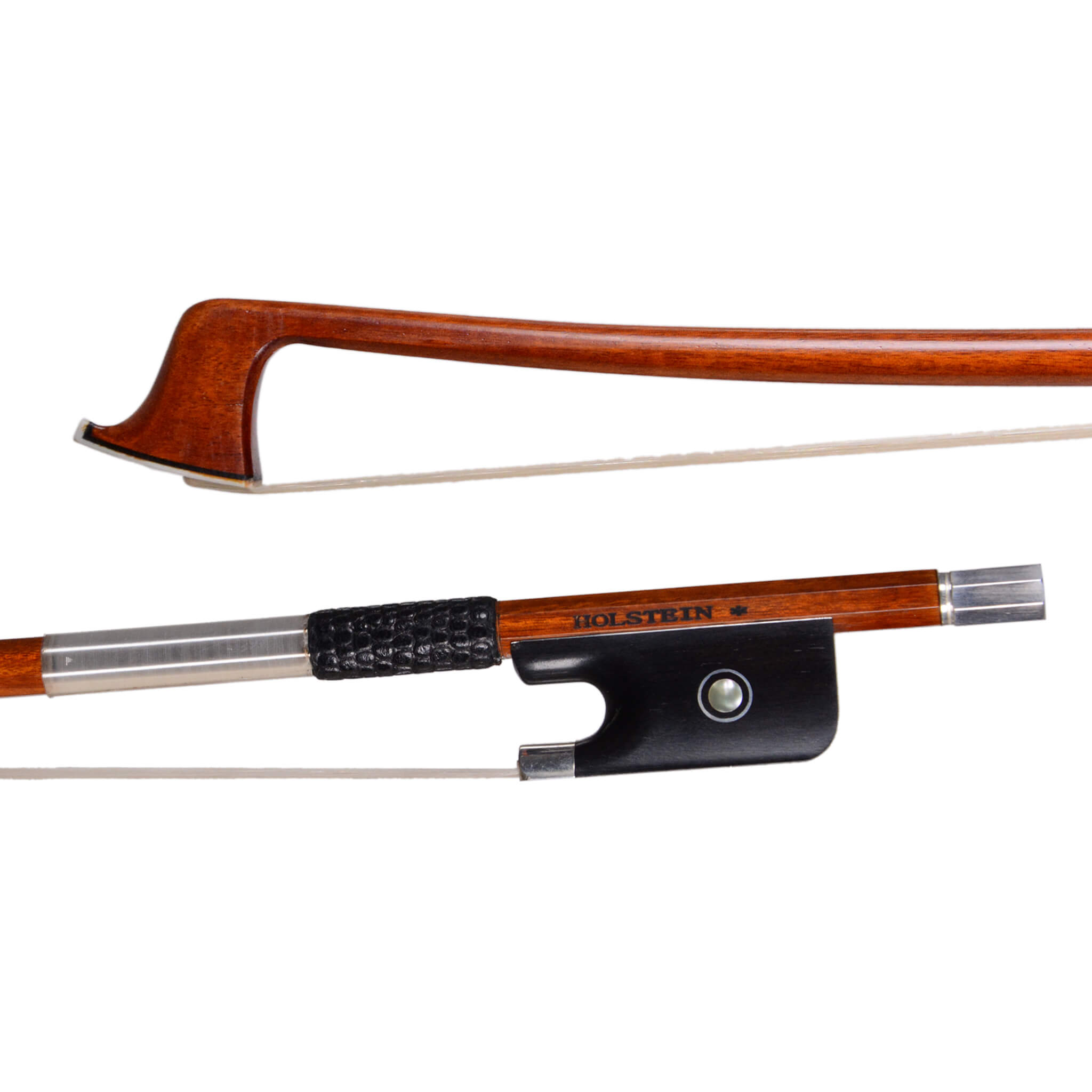
Pernambuco: Warmth and Nuance
Pernambuco wood remains the gold standard for classical players seeking tonal depth, warmth, and expressive control. Sourced from a now-protected Brazilian hardwood, it offers unmatched resonance and dynamic subtlety.
Pros:
– Rich, complex, dark tone ideal for lyrical playing
– Superior sensitivity to bow pressure and speed
– Favored by soloists and orchestral musicians for blend and warmth
Cons:
– Sensitive to humidity and temperature, can warp or lose camber
– Requires re-cambering and regular rehairing
– High cost due to CITES restrictions and scarcity
Best for: Professionals, advanced students, and players with stable environments.
Pro Tip: Handmade pernambuco bows by master makers can appreciate in value, making them both a musical and financial investment.
Carbon Fiber: Durability and Consistency
Modern carbon fiber bows offer remarkable performance, especially for players who travel, perform in variable climates, or need a reliable backup.
Pros:
– Resists warping, humidity, and temperature swings
– Maintains camber permanently, no re-cambering needed
– Lightweight models reduce hand fatigue
– Consistent quality, no variation between individual bows
Tonal Range:
– Some models project brilliance and power, ideal for solo work
– Premium models rival pernambuco in warmth and nuance
Top Brands:
– Arcus: Lightweight, fast, ideal for fiddlers and players with physical strain
– CodaBow: Precision-balanced, models like Luma, Joule, and Diamond GX suit all levels
– JonPaul Carrera: Praised for expressive warmth and dynamic range
Best for: Fiddlers, students, travelers, professionals needing a backup, and players with physical strain.
Avoid Cheap Wood and Fiberglass
Brazilwood bows and fiberglass models are common on beginner outfits but harm technique development.
Why to Avoid:
– Poor balance and uneven camber
– Overly flexible or stiff sticks
– Harsh, scratchy tone that encourages bad habits
– Prone to warping and breaking
Better Alternative: Invest in an entry-level carbon fiber bow like the CodaBow Prodigy. It offers better balance, durability, and tone, helping you develop clean articulation and control from the start.
Balance and Weight Matter Most
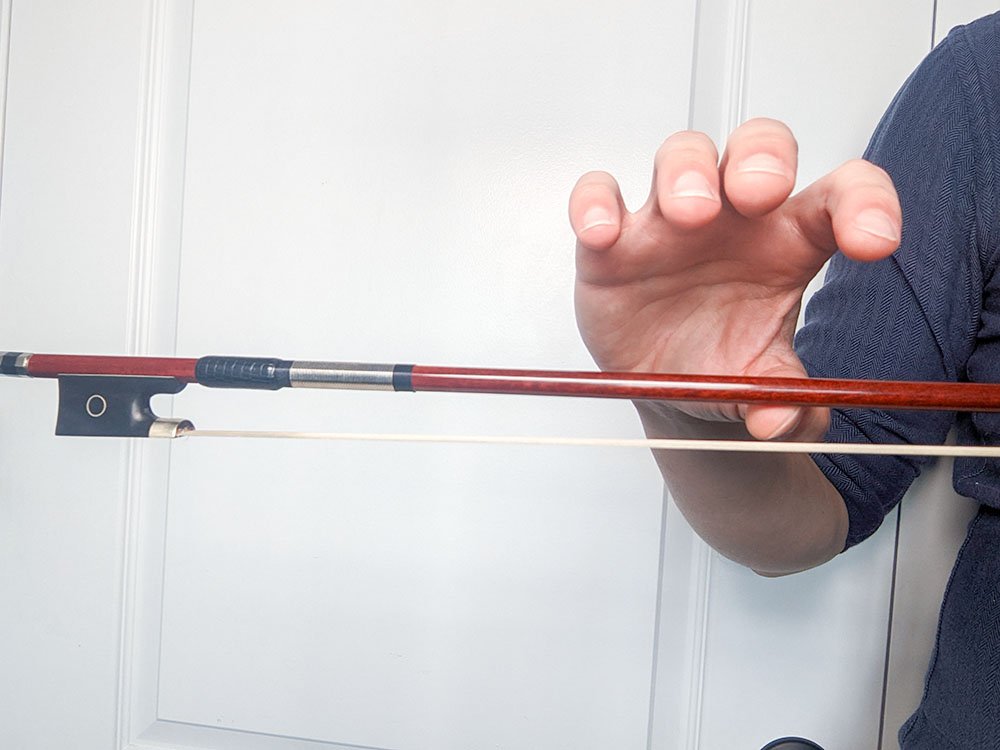
Ideal Weight: 68-73 Grams
The average viola bow weighs 70 grams with a functional range of 65-75 grams.
- Below 65g: May lack power, especially in lower strings
- Above 75g: Can cause fatigue during long passages
But perceived weight matters more than total mass thanks to balance.
Find the Balance Point
The center of gravity should sit slightly toward the frog, creating a stable feel across the stroke.
Test It:
– Hold the bow horizontally at a 45-degree angle, it should not tip forward or back
– Balance it on one finger, the ideal point is near the midpoint of the stick
Frog-heavy bows:
– Produce a darker, fuller tone
– Enhance down-bow strength
– Favored by orchestral players
Tip-heavy bows:
– Can feel unstable
– May aid spiccato for some players
– Often require more control
Player Insight: One violist improved their sound dramatically by switching to a heavier, frog-weighted bow, proving that slight shifts in balance can have big sonic impacts.
Inspect Structural Integrity
Check for Straightness
A high-quality bow must be perfectly straight with no visible twist or warp. Even minor deviations cause uneven string contact, leading to scratchiness and poor control.
How to Test:
– Look down the stick from frog to tip
– Rotate slowly to check for twist
– Compare against a known straight edge if possible
Avoid any bow that shows visible warping, especially common in low-cost models.
Evaluate the Camber
Camber is the natural inward curve of the stick when un-tensioned.
Ideal Camber:
– Smooth, even arc peaking at the center
– Stick just touches the hair at midpoint when loose
Poor Camber Causes:
– Dead spots in the stroke
– Weakness at tip or frog
– Inconsistent tone
Note: Wooden bows lose camber over time and need re-cambering by a luthier. Carbon fiber maintains shape permanently.
Flexibility vs. Stiffness: Match to Your Style
| Type | Best For | Sound Profile | Control |
|---|---|---|---|
| Flexible | Lyrical playing, legato | Warm, nuanced, dynamic | Requires refined technique |
| Stiff | Fast passages, spiccato | Bright, focused, powerful | Easier bounce, less subtlety |
Middle Ground: Top-tier pernambuco and premium carbon fiber offer the best balance, responsive yet controlled.
Beginners: Start with a moderately stiff bow for easier control.
Advanced players: Choose based on repertoire, flexible for chamber music, stiffer for technical solos.
Test the Shaft Shape
Round vs. Octagonal Shafts
The shaft’s cross-section affects feel and tone.
Round Shafts:
– Most common among top French and modern makers
– Feel smoother in the hand
– Produce warmer, more flexible tone
– Ideal for expressive, lyrical playing
Octagonal Shafts:
– Often stiffer even with same wood
– Deliver a focused, direct, slightly harder sound
– Preferred by some for projection and attack
– No acoustic superiority, just personal preference
Try Both: The difference is subtle but noticeable. Choose based on hand feel and comfort, not prestige.
Myth Busting: Octagonal bows are not inherently better. They are just different. Many are priced higher due to marketing, not performance.
Evaluate Sound and Performance
Assess Tone Across the Bow
Test each bow in three key zones:
- Frog: Should produce strong, clean attacks without scratchiness
- Middle: Should feel balanced and responsive
- Tip: Must remain stable and articulate, not floppy or weak
Use long open strings and scales to assess evenness. Any dead spots or sudden shifts in tone indicate a problem.
Test Articulation and Response
Play passages that challenge different bowing styles:
- Legato: Smooth, connected phrases
- Detache: Clear, separated notes
- Martele: Heavy, accented strokes
- Spiccato: Bouncing bow in the middle
Carbon fiber often excels in spiccato and string crossings due to quick rebound. Pernambuco may offer smoother legato and vibrato support.
Dynamic Range Is Key
A great bow should handle pianissimo to fortissimo with ease. Test:
- Whisper-soft up-bows at the tip
- Powerful down-bows at the frog
- Gradual crescendos and diminuendos
If the bow collapses at low pressure or squeals at high pressure, it is not right for you.
Critical Tip: Do not judge tone by what you hear under your ear. Walk across the room. Does the sound project? Ask a teacher or friend to listen.
Follow a Smart Testing Process
Set a Budget First
Know your range before trying bows. Communicate it to the shop. Staff can help you find the best value within your limits.
Budget Guide:
– Beginners: $50-$150
– Advancing students: $200-$600
– Professionals: $700-$5,000+
Be open to stretching slightly for a bow you can grow into.
Bring Your Viola and Current Bow
Use your current bow as a baseline. Compare tone, balance, and response directly.
Ensure strings are fresh and tuned. Old strings distort bow performance.
Limit Your Options
Ask for 5-10 bows max. Too many choices cause sensory overload. Include a mix of:
- Materials (pernambuco, carbon fiber)
- Price points
- Weights and balances
Screen Visually First
Before playing, inspect each bow for:
- Cracks or warping
- Loose frog or screw
- Even camber
- Clean, intact hair
Eliminate any with visible flaws.
Play and Compare
Test in this order:
- Long open strings: Assess basic tone and response
- Scales: Check evenness
- Etudes: Try Sevcik or Wieniawski for articulation
- Repertoire: Play a familiar piece
Spend at least 5-10 minutes with each bow. Take breaks to reset your ears and hands.
Get Feedback
Ask a teacher or experienced player to:
- Listen from a distance
- Compare your ease of playing
- Note tonal improvements
Their ears may catch what yours miss.
Narrow and Re-Test
Shortlist 3-4 bows. Re-test after a break. The best bow should feel consistently responsive and comfortable.
Golden Rule: The ideal bow enables you to make musical decisions rather than imposing its own characteristics.
Maintain Bow Hair Properly
Use Real Horsehair Only
Never use synthetic hair. Real horsehair grips the string better and produces superior tone.
Types:
– White hair: Softer, brighter tone
– Black/blue hair: Stronger, darker, more durable, favored by pros
– Salt-and-pepper: Common in fiddle bows, adds grip
Best Quality: Fresh Siberian or Mongolian stallion hair, but it stretches faster so rehair more often.
Rehair Every 6-12 Months
General Rule:
– Amateurs: Every 6-12 months
– Professionals: Every 3-6 months
Rehair If:
– Hair is thin or broken
– Bow will not tighten fully
– Sound turns weak or scratchy
Clean hair occasionally with a dry cloth to remove rosin buildup.
Check Frog Comfort
The Frog Should Fit Your Hand
The frog is where you hold the bow. Discomfort leads to tension and injury.
Test For:
– Thumb ledge contour
– Screw mechanism placement
– Non-slip surface
– Material (ebony, boxwood, or composite)
Warning Signs:
– Slipping
– Thumb or index finger pain
– Need to grip too tightly
Play for several minutes. If your hand tires quickly, the frog may not suit your anatomy.
Match Bow to Your Level
Beginners: Prioritize Stability
Needs:
– Durable, straight stick
– Even balance
– Moderate stiffness
Recommended:
– CodaBow Prodigy: Reliable, beginner-friendly
– Arcus Brasil Nickel: High-quality pernambuco at low cost
– CodaBow Luma: Smooth articulation
Avoid: Cheap wood or fiberglass bows. They hinder progress.
Expert Advice: Focus on mastering hand dexterity first. A basic bow will meet your needs.
Advancing Students: Upgrade for Tone
Needs:
– Better tonal response
– Versatility across styles
Recommended:
– CodaBow Diamond GX: Powerful, rich tone
– JonPaul Carrera: Warm, expressive carbon fiber
– Arcus Musing: Lightweight and agile
Tip: Choose a bow one level above your current ability. It gives you room to grow.
Professionals: Choose by Role
Classical Players:
– Pernambuco for warmth and tradition
– High-end carbon fiber for agility and consistency
Backup Bow: Mid-priced carbon fiber like CodaBow Luma.
For Physical Strain: Light Arcus bows reduce fatigue.
Electric Viola Players:
– CodaBow Joule: Heavier tip, stiff for rock/pop
– Carbon fiber preferred for durability
Fiddlers and Folk Musicians
Needs:
– Fast response
– Strong articulation
– Projection
Top Picks:
– Arcus: Dominant in fiddle circles for speed and power
– CodaBow Joule/Luma: Balanced feel, traditional weight
– Pernambuco: Suitable for old-time or lyrical styles
Plan for Travel and Climate
Wood Bows: Handle with Care
Pernambuco is sensitive:
- Low humidity causes warping
- High heat causes camber loss
- Air travel risks damage
Protect It:
– Use a hard case
– Avoid temperature extremes
– Loosen hair when not playing
Carbon Fiber: Travel-Ready
- Unaffected by humidity or altitude
- Ideal for outdoor performances
- Perfect for airline cabins
Pro Strategy: Many pros carry two bows, one pernambuco for concerts, one carbon fiber for travel or backup.
Consider Long-Term Value
Pernambuco: Investment Potential
- High resale value
- Master-made bows can appreciate
- Collectible status
Downside: Higher maintenance cost.
Carbon Fiber: Functional Value
- Retains usability but does not appreciate
- Lower maintenance
- Resale value moderate
Best For: Players who prioritize performance over collectibility.
Frequently Asked Questions About Choosing a Viola Bow
What is the best material for a viola bow?
Pernambuco wood is traditionally considered the best material for its warm, complex tone and superior responsiveness. However, premium carbon fiber bows now rival pernambuco in tone quality while offering better durability. For most players, the choice depends on budget, playing environment, and personal preference.
How much should I spend on a viola bow?
Budget depends on your level. Beginners should spend $50-$150 on a quality carbon fiber bow. Advancing students benefit from $200-$600 bows. Professionals typically invest $700-$5,000 or more. Remember that a better bow can significantly improve your sound and technique.
How do I test if a viola bow is right for me?
Test bows on your own instrument with fresh strings. Evaluate tone across all bow regions (frog, middle, tip). Try different articulation styles including legato, detache, martele, and spiccato. Assess dynamic range from pianissimo to fortissimo. The right bow should feel comfortable and respond to your touch effortlessly.
What weight viola bow should I choose?
The average viola bow weighs around 70 grams with an acceptable range of 65-75 grams. More important than exact weight is balance. The bow should feel stable throughout the stroke, neither tip-heavy nor frog-heavy. Frog-heavy bows produce darker tones and enhance down-bow power.
How often should I rehair my viola bow?
Rehair your bow every 6-12 months for regular players. Professionals may need rehairing every 3-6 months. Replace the hair when it becomes thin, broken, or when the bow will not tighten properly. Fresh hair ensures optimal grip and tone production.
Can a better bow improve my playing?
Yes, the right bow can dramatically improve your playing. A quality bow responds more quickly to your input, produces better tone, and allows easier articulation. However, technique matters most. A better bow amplifies good technique rather than compensating for poor fundamentals.
Key Takeaways for Choosing Your Perfect Viola Bow
The perfect viola bow is not the most expensive or famous. It is the one that feels like a natural extension of your arm, responds to your touch, and brings out the best in your instrument. Whether you choose warm pernambuco or durable carbon fiber, the decision should be personal, practical, and proven through testing.
Key factors to remember include matching the bow to your instrument’s tonal characteristics, prioritizing balance over exact weight, choosing material based on your environment and maintenance willingness, and testing extensively before purchasing. The right bow enables you to make musical decisions rather than imposing its own characteristics.
Spend time with your options. Trust your ears and hands. Choose the bow that lets your music speak freely.