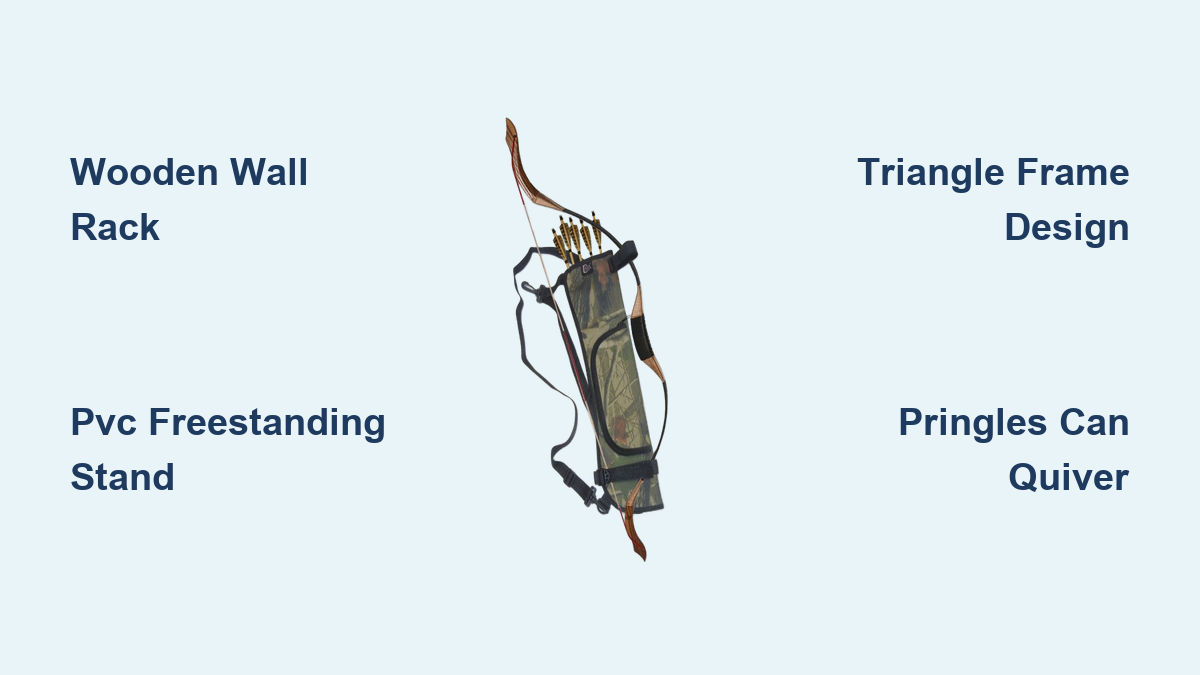
How to Make a Bow and Arrow Holder
If you’re an archer looking to protect your gear and display it with pride, learning how to make a bow and arrow holder is a practical and satisfying DIY project. Whether you need a sleek wall-mounted display for your hunting lodge or a portable PVC stand for backyard practice, there are multiple ways to build a functional, durable holder that fits your space, skill level, and budget. This guide covers everything from wooden wall racks and PVC freestanding stands to improvised survival quivers, using only the best materials and proven construction techniques.
You’ll learn step-by-step how to build each type, avoid common mistakes, customize your design, and ensure long-term protection for your bow and arrows. Every method below comes from tested approaches that real archers use, so you can choose the perfect build for your situation.
Choose the Right Holder Type for Your Needs
Selecting the best bow and arrow holder starts with matching your needs to the right design. Each type offers unique benefits in portability, durability, and aesthetics.
Wall-Mounted Wooden Display Rack
Ideal for home archers and collectors, this permanent indoor solution combines strength and style. Built from solid wood like pine, poplar, or walnut, it mounts vertically to save floor space and showcases your gear like artwork. With proper joinery and wall anchoring, it securely holds 1 to 2 bows and up to 12 arrows. Add LED lighting or engraved nameplates to elevate its visual appeal.
Freestanding PVC Bow Stand
Perfect for outdoor use, this lightweight, weather-resistant stand is easy to assemble and disassemble. Made from standard 1½ inch PVC pipes and fittings, it supports two bows and over a dozen arrows. Its modular design allows seasonal storage, while drain holes prevent water buildup. Use foam padding on hangers to protect your bow’s finish.
Triangle Frame Wall Rack
This minimalist equilateral triangle design offers a modern look with practical storage. It holds two bows on cradles and four arrows in drilled crosspieces. Simple to build with basic tools, it is ideal for intermediate DIYers who want a clean, geometric wall feature.
No-Woodworking Alternatives
For quick, low-cost solutions, consider wall hooks, repurposed containers, or wearable quivers. Heavy-duty wall hooks can support bows and arrows without any carpentry. For field use, a Pringles can survival quiver made by connecting two cans with duct tape gives instant arrow storage for under five dollars and zero tools.
Pick Durable Materials for Your Build
Your choice of materials affects durability, appearance, and weather resistance. Match the build to your environment and skill level.
Solid Wood for Indoor Displays
Use 2 by 4 pine for the backboard and 1 by 4 poplar or oak for base supports. Hardwoods like walnut add premium aesthetics and longevity. These woods accept stains, paints, and specialty finishes like shou sugi ban, which enhances grain and provides mild rot resistance.
PVC Pipe for Outdoor Use
Standard 1½ inch PVC is affordable, lightweight, and resistant to moisture and UV damage when painted. Use 2 inch or larger tubes for arrow holders to accommodate fletchings. Include 90 degree elbows, reducers, tees, and end caps for structural joints and easy disassembly.
Repurposed and Creative Options
Pringles cans connect two cans with duct tape for a seamless 12 to 14 inch quiver. Foam pipe insulation glues to bow hangers to prevent scratches. Scrap lumber or metal brackets work ideal for custom brackets or reinforcement.
Pro Tip: Always measure your bow and arrows before selecting materials. Account for cam size, arrow length, and broadhead width.
Build a Wooden Wall-Mounted Rack

This professional-looking holder protects your gear while serving as a decorative centerpiece.
Cut and Shape the Wood
Start with a 2 by 4 for the vertical board and a 1 by 4 or 3 inch wide pine for the base. Cut one end at 45 degrees, the opposite at 22.5 degrees, then rip the sides to 3.75 inches and 3 inches using a table saw. Round edges with a roundover bit for a polished look.
Drill Arrow Holes
Use a 1 inch Forstner bit for six evenly spaced holes to fit broadheads. Support the underside with scrap wood to prevent blowout. For arrow tips, drill 3/8 inch holes to a depth of 7/16 inch using a depth gauge.
Apply a Protective Finish
Shou sugi ban involves torching the surface until it chars to an alligator-skin texture. Brush off soot with a nylon brush. Wear full PPE and work outdoors. Boiled linseed oil soaks for 5 to 10 minutes, then wipe excess. Reapply annually to maintain protection and enhance grain.
Assemble with Strong Joinery
Dry-fit all pieces. Apply Titebond wood glue, then secure with 2.5 inch GRK screws for joints and 3.25 inch screws for base reinforcement. A pocket-hole jig works optionally for invisible fastening. Drill three 1.25 inch holes per joint.
Mount Securely to Wall
Locate studs 16 inches apart. Use a keyhole bit to cut mounting slots 1.5 inches from board center. The painter’s tape trick helps: tape the wall, mark holes through tape, poke through, align with level line. Drill screws into studs, leave slightly loose. The board slides into slots and self-levels in seconds.
Install Bow Hooks
Use headlock flat-head screws with about 2 inches exposed shank. Pre-drill to threaded depth only. Drive carefully to leave shank free for bow cradling. Test fit arrows and use a level for symmetry.
Assemble a PVC Freestanding Stand
This beginner-friendly stand is perfect for garages, backyards, or hunting prep.
Build the H-Frame Base
Cut two 16 inch pipes for front legs, two 18 inch pipes for back legs, and two 8 inch pipes for cross braces. Connect with tees into an H-shape. Wider back prevents bow-arrow contact.
Add Vertical Support and Bow Hangers
Insert a 42 inch vertical pipe into the center tee. Attach two 12 inch hangers at the top using a tee. Cap the ends. Stabilize with 1 inch self-tapping screws through side tees. This allows disassembly.
Install Arrow Holders
Attach 90 degree elbows to back legs. Connect 2 inch to 1.5 inch reducers. Insert 18 inch 2 inch PVC tubes. Each holds 6 plus arrows. Upgrade to 2.5 inch or 3 inch tubes with foam inserts to protect fletchings.
Enable Disassembly and Storage
Glue permanent joints: base legs to tees, vertical pipe to base, hangers to top tee. Leave removable: side tees screw-secured, arrow holder assemblies. This allows flat storage during winter.
Add Drain Holes
Drill 1/8 inch to 1/4 inch holes in the lowest points of the base. This prevents water pooling and freeze damage, essential for outdoor use.
Protect Your Bow
Cut foam pipe insulation to fit over hanger caps. Glue with super glue. This prevents scratches on limbs and risers and is highly recommended.
Construct the Triangle Frame Rack
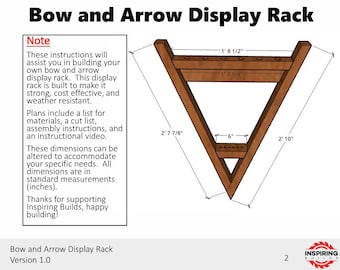
This compact, stylish wall rack is simple to build and visually balanced.
Cut and Join the Frame
Cut three 26 inch pieces with 11 degree mitered ends. Join into an equilateral triangle using wood glue and screws. Sand edges smooth.
Install Crosspieces and Arrow Holes
Attach horizontal crosspieces between two sides. Drill 3/8 inch to 1 inch holes for arrow shafts and tips. Space holes to avoid fletching contact. Use a Forstner bit with backing board for clean exits.
Mount Bow Cradles
Install U-shaped wooden or padded metal cradles at the top. Position to support the bow’s riser, not the limbs. Ensure no pressure on cams or string.
Hang on Wall
Mount into studs or use heavy-duty drywall anchors. Use a level to ensure symmetry. Avoid high-traffic areas to prevent accidental bumps.
Try No-Skill Alternatives
When time or tools are limited, these quick solutions work.
Use Wall Hooks
Install heavy-duty wall hooks on a stud. Hang bow by the riser or limb pockets. Add lower hooks for arrows. Total cost comes in under ten dollars.
Build a Pringles Can Quiver
Remove the bottom from one can and the top lip from a second can. Slide and connect the cylinders. Seal with duct tape. Optional: fold duct tape into a shoulder strap. This holds 4 to 6 arrows and is ideal for survival kits or temporary field use.
Compare Holder Performance

Choosing the right holder depends on your specific situation and priorities.
| Feature | Wooden Rack | PVC Stand | Triangle Frame | Pringles Can |
|---|---|---|---|---|
| Mounting | Wall | Free-standing | Wall | Wearable |
| Portability | None | High | None | High |
| Weatherproof | No | Yes | No | Yes |
| Arrow Capacity | 4 to 12 | 12 plus | 4 | 4 to 6 |
| Build Cost | 20 to 40 dollars | About 30 dollars | 10 to 25 dollars | Under 5 dollars |
| Skill Level | Intermediate | Beginner | Beginner | None |
| Durability | Very high | Moderate | High | Low |
Best for collectors is the wooden wall rack. Beginners should choose the PVC stand or digital plans. Survivalists benefit from the Pringles can quiver. Hunters get the most from rugged PVC or wearable quivers.
Customize Your Design
Personalize your holder to reflect your style and improve functionality.
Enhance Wooden Racks
Stain or paint with camo, tribal patterns, or team colors. Add a shelf to store nocks, rests, or tools. Install LED lighting under shelf or behind board for dramatic display. Add an engraved plaque with name, hunting date, or motto.
Upgrade PVC Stands
Paint or wrap with textured outdoor paint or camo vinyl. Add trays to hold broadheads, release aids, or small tools. Clip on a beverage holder for backyard comfort. Attach a mini flashlight for dusk use.
General Mods
Scale hole spacing for carbon versus aluminum arrows. Adjust bracket depth for oversized cams. Add lids or dust covers for indoor storage. Use internal foam dividers to separate arrows.
Maintain Your Holder
Proper care extends the life of your build and protects your gear.
Wooden Rack Care
Dust regularly and avoid moisture. Reapply boiled linseed oil annually. Inspect screws and wall mounts every 6 months. Expected lifespan exceeds 10 years with proper care.
PVC Stand Care
Hose down with mild detergent. Disassemble and store indoors in winter. Check screw joints annually. Lifespan reaches 5 to 8 years, longer with UV-protective paint.
Follow Safety Best Practices
Safety ensures both builder and bow remain unharmed.
During Construction
Wear safety glasses, mask, and gloves. Use push sticks on table saw. Keep fire extinguisher and water spray bottle nearby when torching wood. Work in well-ventilated area when cutting PVC or applying finishes.
During Installation
Always mount into wall studs or use heavy-duty anchors. Use a level for balanced appearance. Test stability before loading. Avoid placing in high-traffic zones.
Equipment Protection
Never rest bow on cams, string, or sight. Use foam, felt, or rubber padding on contact points. Store arrows fletching-up when possible. Ensure no fletching contact between arrows.
Pro Tips for Success
Measure twice, cut once, especially for angles and hole spacing. Back wood when drilling to prevent blowout on exit side. Use painter’s tape trick to ensure perfect wall alignment in seconds. One inch holes fit most broadheads. Verify clearance before final drilling.
Hybrid PVC joints glue permanent and screw removable joints for seasonal storage. Foam padding is essential and prevents cosmetic and structural damage. Drain holes save PVC stands by preventing freeze damage outdoors. Shou sugi ban adds character and mild rot resistance. Scale designs by adding more arrow holes or dual bow hooks as needed.
Frequently Asked Questions About Making a Bow and Arrow Holder
What is the easiest bow and arrow holder to build?
The PVC freestanding stand is the easiest build for beginners. It requires only basic tools like a hacksaw and drill, uses affordable materials, and can be completed in 2 to 4 hours. The Pringles can quiver is even simpler, requiring zero tools and less than five dollars in materials.
How much does it cost to build a bow and arrow holder?
Wooden wall racks cost between 20 and 40 dollars in materials. PVC stands run about 30 dollars. Triangle frame racks range from 10 to 25 dollars. Improvised options like the Pringles can quiver cost under five dollars.
Can I use a bow and arrow holder outdoors?
Only certain designs work outdoors. The PVC freestanding stand is designed for outdoor use with drain holes to prevent water buildup. Wooden racks are intended for indoor use only. The triangle frame and Pringles can quiver can handle outdoor conditions but offer less protection.
How do I protect my bow finish on a holder?
Apply foam pipe insulation to bow hangers using super glue. This creates a soft barrier between the holder and your bow limbs or riser. Never rest a bow on cams, strings, or sights. Check padding regularly and replace when worn.
How many arrows can a DIY holder hold?
Arrow capacity varies by design. Wooden racks hold 4 to 12 arrows depending on size. PVC stands accommodate 12 or more arrows using multiple tubes. Triangle frames hold around 4 arrows. Pringles can quivers hold 4 to 6 arrows.
Final Thoughts on Building Your Bow and Arrow Holder
Building a bow and arrow holder is more than storage. It is a way to honor your gear and express your passion for archery. Whether you craft a hand-finished wooden display for your living room or a modular PVC stand for seasonal hunting prep, the right design protects your investment and enhances your experience.
Start with a clear plan, prioritize structural integrity over looks, and always test fit your gear before final assembly. Measure your bow and arrows carefully, account for cam size and arrow length, and choose materials that match your environment. With durable materials, smart construction, and thoughtful customization, your DIY holder will last for years and become a centerpiece of your archery journey.