How to Fix Frayed Bow String | Quick Repair Guide
Frayed bow strings are a common issue for archers, whether you’re shooting a compound or recurve bow. Left unchecked, fraying can progress from a minor cosmetic flaw to a dangerous structural failure, potentially leading to string breakage, dry firing, and injury. The good news is that most early-stage fraying can be managed with proper inspection, waxing, and minor repairs. But knowing when to repair and when to replace is critical.
This guide shows you exactly how to fix a frayed bow string safely and effectively. You’ll learn how to identify the type of fraying, perform quick field fixes, re-tension loose servings, and determine when it’s time to retire the string. We’ll cover everything from trimming stray fibers to full serving replacement, all based on expert practices and material-specific care.
Identify Fray Type and Location
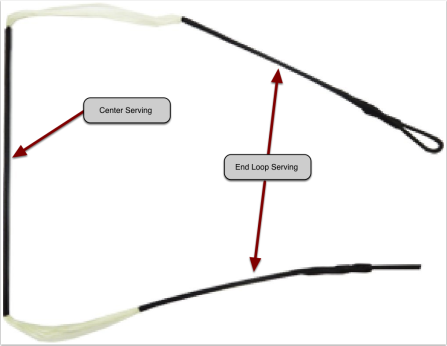
Before attempting any repair, you must first determine the severity and cause of the fraying. Not all fraying is equal. Some issues are harmless, while others demand immediate replacement.
Check for Cosmetic vs. Structural Damage
Cosmetic fraying appears as loose fibers or hairs on the surface and is normal with use. This type doesn’t compromise strength and can be cleaned up with wax and trimming. Structural fraying, however, involves broken core strands or splits in the string body. If you see a full strand break or a split down the middle, replace the string immediately.
Use your fingers to gently run along the string. Feel for soft or spongy spots, thinning areas, rough or raised sections, and gaps in the serving. Any of these could indicate deeper damage.
Locate Common Fray Zones
Fraying typically occurs in high-contact areas. Below the nocking point, caused by arm slap or poor form. Around the peep sight, from facial contact or tubing slap. Under or beside the serving, where the release aid or arrow nock makes contact. At the loops, from stress or improper tying. Pinpointing the location helps identify the root cause.
Assess: Repair or Replace
Knowing when to fix and when to replace is the most important decision in bowstring maintenance.
Safe to Shoot: Minor Surface Fuzz
If you only see loose fibers or slight fuzzing, the string is still safe. This is common after 50 to 100 shots and usually resolves with waxing. Trim any long hairs and apply quality string wax to seal the fibers.
Pro Tip: After waxing, use a cotton cord loop to scrape and polish the string. This realigns fibers, removes dirt, and creates a smooth, round profile.
Needs Attention: Recurring or Localized Wear
If fraying keeps appearing in the same spot, especially near the serving or peep sight, it’s a sign of improper shooting form, equipment misalignment, or inadequate serving length. Address the root cause. Consider extending the serving or adjusting your anchor point.
Must Replace: Core Damage or Popping Strands
Replace the string immediately if you see a broken core strand, a split in the string body, a popping strand that extends with each shot, exposed core fibers, or hardened or melted spots from improper burning.
Critical Warning: A popping strand changes your brace height with every draw, increasing stress and risk of dry fire. Do not shoot.
Fix Minor Fraying: Trim and Wax
For surface-level fuzz or stray fibers, a simple trim and wax is all you need.
Trim Loose Fibers Safely
Use sharp scissors or a razor blade to cut only the protruding hairs. Never cut into the main bundle. Hold the string taut and snip at a shallow angle. After trimming, apply wax immediately to the cut end to prevent further unraveling.
Melt Hairs with Controlled Heat
For stubborn fibers, use a burned-down toothpick or Bic lighter with caution. Use the blue part of the flame, which is cooler and more precise. Hold the flame near the fiber without touching it. Let the heat melt the tip into a small ball.
Expert Note: Never use direct flame on a full string. This risks melting core fibers and creating weak spots.
Apply Wax Correctly
- Rub a liberal amount of quality wax into the string.
- Work it deep using your fingers or a soft cloth.
- Use the cotton cord scraping method. Wrap a 12-inch cotton cord around the string to form a loop. Pull downward and sideways to squeeze, clean, and polish.
- Re-wax after scraping for best protection.
Never wax the serving. Wax softens the material and causes it to separate. Clean only with a dry cloth.
Repair Loose or Frayed Serving
The serving protects the core from abrasion. If it’s loose or unraveling, it must be fixed quickly.
Temporary Fix: Use Adhesive Tape
If you’re in the field and the serving is fraying, wrap Scotch tape tightly over the loose section. Apply 2 to 3 layers to hold it in place. Avoid high-draw shooting until properly repaired. This is not a long-term solution but prevents further unraveling during transport.
Re-Tension a Loosened Serving
If the serving has loosened but the core is intact, follow these steps:
- Unwind 7 to 8 cm of the loose section.
- Identify the twist direction.
- Create a loop at the end of the loose segment.
- Wrap in the same direction, adding 6 new twists.
- Pull all twists through the loop using your thumbnail or a pencil.
- Tighten with closed scissors for grip.
- Trim excess and seal the end with a storm lighter.
Check the repair: Gently tug the serving. It should not slip. Run your fingers over it. It must feel smooth and tight.
Replace Damaged Serving
For severely frayed or split servings, partial repair isn’t enough. You need a full replacement.
Remove Old Serving
Use a sharp blade to cut away the damaged section. Expose clean core. Do not cut the core strands. Clean the area with a dry cloth.
Wrap New Serving
- Use BCY 8190, 3D, or matching material.
- Begin wrapping at one end, maintaining even tension.
- Apply 6 to 8 wraps per inch for durability.
- Slightly overlap if needed to avoid gaps.
Avoid over-tightening. This can deform the core and weaken the string.
Secure and Seal
Trim the end cleanly. Apply a small drop of serving glue, clear nail polish, or superglue. Let dry completely before shooting. Do not wax the new serving. This breaks the bond.
For Best Results: Full Re-Serve
If you’ve done multiple repairs, strip and re-serve the entire center section. This ensures even wear and long-term reliability. Use a serving tool for consistent tension and professional results.
Pro Tip: A full re-serve is recommended every 1 to 2 years for heavy shooters or after any string replacement.
Handle Special Cases by Bow Type

Different bows have unique serving needs and failure risks.
Recurve Bows: Watch for End Unraveling
On traditional or recurve bows, the serving is at the nock point. If the ends begin to unravel, tie a secure knot and apply superglue as a temporary fix. The best practice is to replace the string. Recurve strings see more hand contact and arrow slap, so inspect weekly.
Compound Bows: Prevent Cam Lean
On compounds, the serving runs through the cam tracks. Wear here can cause cam lean, poor tracking, and altered brace height. After any repair or replacement, check cam alignment with a bow square, verify brace height, and ensure the string sits centered in pulley grooves.
Safety Note: A frayed serving on a compound bow increases dry fire risk. Replace at first sign of core exposure.
Prevent Future Fraying: Best Maintenance Habits
Prevention is cheaper and safer than repair. Follow these habits to extend string life.
Wax Regularly
Dacron strings need wax every 3 to 5 sessions. Fast Flight and BCY 4500 need wax every 5 to 10 hours. Endless loop strings need wax monthly. Always wax after cleaning or exposure to moisture.
Inspect Before and After Shooting
Make it a habit to look for new fuzz, splits, or serving gaps. Run fingers along the string. Check the peep sight area and nocking point. Catch problems early.
Optimize Shooting Form
Fraying below the serving often means arm slap. Rotate your bow hand to 45 degrees. Keep your elbow down and wrist straight. Use a kisser button to stabilize your head position. If you have fuzz near the peep, adjust peep height or use flexible tubing.
Store Properly
Keep your bow in a dry, temperature-controlled space. Avoid UV exposure, moisture, and heat. Never leave a strung bow in a hot car.
Tools You Will Need
Keep these on hand for quick repairs.
Sharp knife or razor for cutting damaged serving. Scissors for trimming fibers. Storm lighter for sealing serving ends. Serving material for replacement wrap. Serving glue or nail polish for sealing ends. Scotch tape for temporary fixes. Cotton cord for scraping and polishing. Serving tool for professional re-wrap.
Safety First: Never Risk a Compromised String
A frayed bow string isn’t just a performance issue. It’s a safety hazard. A broken string can damage your bow, cause a dry fire, and injure you or others nearby.
Golden Rule: When in doubt, replace the string. A new string costs less than medical bills or equipment repair. Even the best repair is temporary if the core is damaged. Cosmetic fixes are fine for surface fuzz, but structural damage means retirement.
Frequently Asked Questions About Frayed Bow Strings
How do I know if my bow string is frayed beyond repair?
Replace immediately if you see a broken core strand, a split in the string body, a popping strand that extends with each shot, exposed core fibers, or hardened spots. These indicate structural damage that cannot be safely repaired.
Can I wax a frayed bow string to fix it?
Waxing seals loose fibers and prevents further fraying, but it won’t fix structural damage. Wax is a preventive measure and maintenance tool, not a repair for broken strands or splits.
How often should I wax my bow string?
Dacron strings need wax every 3 to 5 shooting sessions. Fast Flight and similar materials need wax every 5 to 10 hours of use. Wax after any cleaning or exposure to moisture.
What causes bow strings to fray in the same spot repeatedly?
Recurring fraying in one spot usually indicates improper shooting form, such as arm slap or facial contact, equipment misalignment like an incorrect nocking point height, or inadequate serving length. Address the root cause to stop the problem.
Can I replace just the serving on my bow string?
Yes, you can replace a damaged serving without replacing the entire string. Remove the old serving, wrap new serving material with even tension, and seal the ends with glue. This works for localized damage but not for core strand issues.
Is it safe to shoot with a frayed bow string?
Only if the fraying is cosmetic, meaning loose surface fibers with no core strand damage. Any structural fraying, popping strands, or exposed core means you should not shoot. When in doubt, replace the string.
Key Takeaways for Fixing Your Frayed Bow String
Regular care keeps your bowstring safe and accurate. Wax often, inspect before and after every session, and never ignore a popping strand or split. Identify whether the fraying is cosmetic or structural before attempting any repair. Trim loose fibers carefully and always apply wax to seal the cut ends. For serving issues, use tape as a temporary field fix, then re-tension or replace the serving properly. Different bow types have different risks. Recurve bows need attention to end unraveling, while compound bows require cam alignment checks after any string work. When the core is damaged, replacement is the only safe option. With the right habits, your string can last years. But when it’s time to replace, don’t hesitate. Your safety depends on it.