How to Oil a Bow: Simple Maintenance Guide
If you own a traditional wooden bow, regular oiling is one of the simplest yet most effective ways to protect it from environmental damage. Wood naturally absorbs moisture from the air, which can lead to cracking, warping, and even structural failure over time. Oiling creates a protective barrier that helps stabilize the wood, prevent drying, and extend your bow’s lifespan. This guide covers everything you need to know: which oils work best, how to apply them correctly, how often to oil, and what to avoid.
Choose the Right Oil for Your Bow
Use Drying Oils for Long-Term Protection
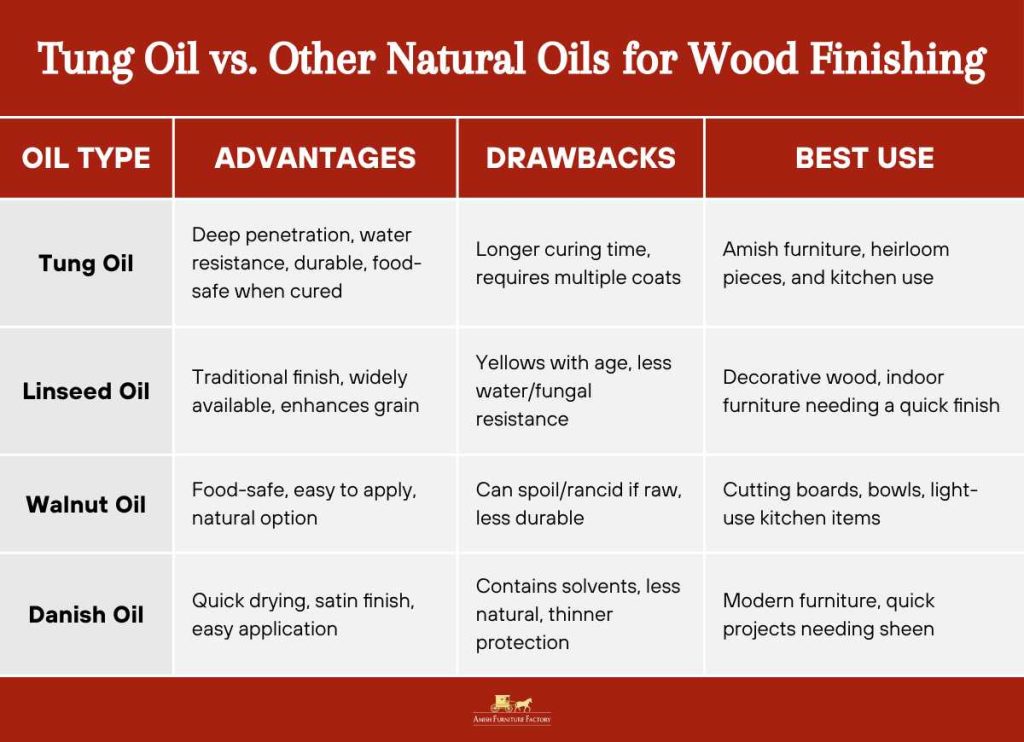
Drying oils penetrate deeply and harden over time, forming a durable, water-resistant layer. They are ideal for long-term preservation of wooden bows.
Top drying oil choices:
• Boiled linseed oil – A classic favorite among traditional bowyers. It soaks in well and prevents checking (surface cracks). Ensure it is boiled, not raw—raw linseed oil takes weeks to dry and stays sticky.
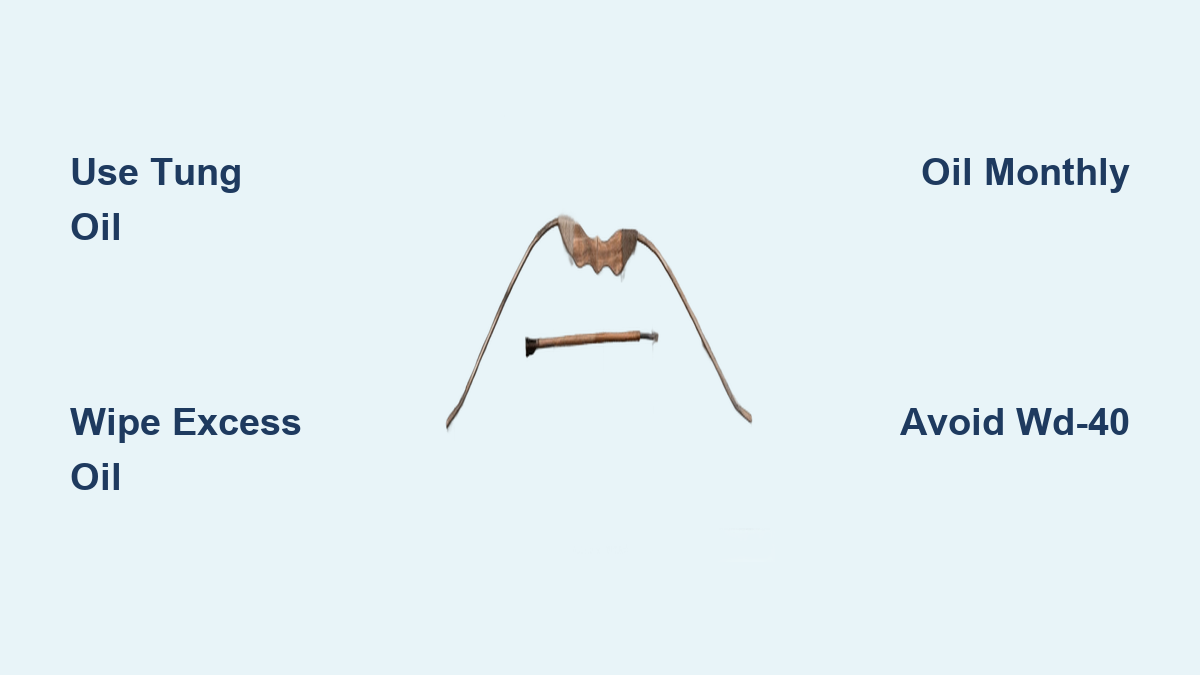
• Tung oil – Offers superior water resistance; water beads up and rolls off treated wood. Apply 5–10 thin coats for maximum protection.
• Walnut oil – Food-safe and non-toxic with good penetration, but dries slower and offers less water resistance than tung or linseed.
Apply each coat thinly, wait 24–72 hours between layers, and always wipe off excess after 15–30 minutes to avoid a gummy finish.
Try Animal Fats for Traditional or Emergency Use
Non-drying oils and animal fats do not harden but offer deep conditioning and moisture resistance. They require more frequent reapplication but are valued for their natural use.
Effective animal-based options:
• Rendered deer tallow – Penetrates deeply and resists moisture; traditional choice in survival and bushcraft archery.
• Bear grease – Excellent in cold, wet climates but hard to source.
• Bacon grease (rendered) – Surprisingly effective in a pinch if purified properly.
Never use unrendered fats—they can go rancid and attract pests. Render by gently heating and filtering out impurities.
Avoid These Oils and Lubricants
Some common household products may seem like good options but can damage your bow:
• WD-40 or machine oil – Designed for metal; degrades wood fibers and attracts dust.
• Olive oil, coconut oil, or lemon oil – Turn rancid, become sticky, and degrade over time.
• Petroleum jelly (Vaseline) – Sits on the surface, traps moisture, and does not penetrate.
• Synthetic sprays with solvents – Strip natural oils and harm wood integrity.
Stick to natural drying oils or properly rendered animal fats for safe, long-lasting results.
Prepare the Bow for Oiling
Clean the Surface First
Before applying oil, ensure the bow is free of dirt, grime, or old residue.
Steps:
-
Wipe the bow down with a lint-free cloth dampened with rubbing alcohol.
-
If the surface is heavily soiled or has a degraded finish, lightly sand with 400+ grit sandpaper to open the wood pores.
-
Remove all dust with a clean cloth.
Avoid aggressive sanding—it can alter limb thickness and affect performance.
Work in Ideal Conditions
Oiling works best in a clean, dry environment:
• Temperature: 60–75°F (15–24°C)
• Low dust
• Bow unstrung and acclimated to room temperature
Do not oil a bow that has been stored in extreme heat or cold—let it adjust first.
Apply Oil Correctly and Safely
Use Thin Coats and Wipe Excess
Over-oiling is worse than under-oiling. Excess oil leads to stickiness, dirt buildup, and poor adhesion of future coats.
Step-by-step oiling process:
-
Pour a small amount of oil onto a lint-free cloth or soft sponge.
-
Rub into the wood using longitudinal strokes (with the grain).
-
Cover all wooden areas: limbs (back and belly), handle riser, end grain (especially on self-bows), and stress zones near the fades.
-
Let the oil penetrate for 15–30 minutes.
-
Wipe off every trace of excess oil with a second clean, dry cloth.
Allow Proper Drying Time
After application:
• Let the bow dry unstrung for 24–48 hours in open air.
• Do not store in a case or bow sock until fully cured.
• Keep away from dust and direct sunlight.
Multiple coats? Wait at least 24 hours between applications (up to 72 for tung oil).
Layer Oils or Add Wax (Optional)
Some archers use multiple finishes for added protection:
• Apply less expensive oil first (e.g., mineral oil), then top with high-quality oil (e.g., tung).
• Test compatibility on scrap wood before using on your bow.
For extra moisture resistance and shine:
• Apply beeswax or a deer tallow-beeswax mix after oiling.
• Buff to a soft sheen—ideal for display or frequently handled bows.
Note: Wax is cosmetic, not essential for protection.
Oil Based on Bow Type and Use
Self-Bows Need Regular Oiling
Wooden self-bows (made from a single stave) are most vulnerable to moisture.
• Best treatment: Boiled linseed or tung oil
• Frequency: Every 3–6 months, especially in dry or humid climates
• Extra care: Pay attention to glue joints and backing materials
Laminated Wooden Bows: Oil with Caution
These bows combine wood with fiberglass or synthetic layers.
• Only oil exposed wood areas (riser, limb cores)
• Never oil fiberglass or synthetic laminates—can weaken adhesives
• Use light coats and wipe thoroughly
Wooden Risers and Limb Pockets
• Apply a light coat of oil or bow wax to wooden risers
• Avoid oil in limb pockets—use wax instead to prevent squeaking
• Wax also reduces friction and protects wood-to-wood contact points
Metal or Compound Bows: Do Not Oil the Frame
• Metal risers need no oiling—just keep clean and dry
• Compound bows require cam and bushing lubrication (e.g., Scorpion Venom), but this is mechanical maintenance, not wood protection
• Never confuse oiling a wooden bow with lubricating a compound bow’s moving parts
Set a Smart Oiling Schedule
New Bows Need Frequent Oil
A new or untreated wooden bow should be oiled monthly for the first 6–12 months to build a protective layer.
Once the wood is dead stabilized (no longer absorbing oil readily), reduce frequency.
General Oiling Frequency Guidelines
| Condition | Oiling Frequency |
|---|---|
| New or dry bow | Monthly for 6–12 months |
| Regular use | Every 1–6 months |
| Stable, seasoned bow | Once or twice per year |
| After exposure to rain or humidity | Immediately (wipe dry, then oil) |
| Using mineral oil | After every wet use |
| Using drying oils (tung, linseed) | Every 6–12 months |
| Using tallow-beeswax mix | Once per year (more for hunting bows) |
Consistency matters more than perfection—regular light oiling beats infrequent heavy treatment.
Store and Maintain Your Bow Properly
Ideal Storage Conditions
Proper storage prevents warping, glue failure, and moisture damage.
Recommended:
• Temperature: 60–75°F (15–24°C)
• Humidity: 40–60% RH
• Position: Stored unstrung, vertically or on a rack
• Case: Use a breathable bow sock or ventilated hard case
Avoid:
• Hot cars (temperatures over 140°F warp wood)
• Damp basements (promotes mold and glue failure)
• Direct sunlight (UV degrades wood and finishes)
Use Silica Gel in Storage
In humid environments, place silica gel packets in your bow case to absorb excess moisture and maintain stable conditions.
Debunk Common Oiling Myths
All Oils Are Not the Same
False. Oils vary in drying time, penetration, durability, and safety. Tung oil protects better than olive oil, which eventually turns rancid.
Oiling Does Not Make Wood Waterproof
No. Oiling provides moisture resistance, not waterproofing. Never submerge your bow.
More Oil Does Not Equal Better Protection
Wrong. Excess oil leads to stickiness, attracts dirt, and can interfere with future coatings.
Only Traditional Oils Do Not Work
Not true. Modern blends like Danish oil (oil plus varnish) offer excellent protection and are easy to apply.
Oiling Does Not Weaken the Bow
Only if you use the wrong product. Proper oiling with correct oils strengthens longevity.
Not All Bows Need Oiling
No. Only natural material bows (especially wood) benefit. Modern composites and metal parts should not be oiled.
When to Seek Professional Help
Even with regular care, have your bow inspected annually by a qualified bowyer or technician.
Get professional help if:
• You notice cracks, splinters, or delamination
• Limbs flex unevenly
• Performance changes suddenly
• The bow was dropped or impacted
An annual tune-up can include crack inspection, tiller and limb alignment check, string and cable replacement, and glue joint reinforcement.
Essential Oiling Supplies Checklist
Keep these items on hand for easy maintenance:
| Item | Purpose |
|---|---|
| Boiled linseed oil or tung oil | Primary wood protection |
| Rendered deer tallow plus beeswax | Traditional, long-lasting finish |
| Lint-free cloths | Application and wiping |
| Soft bristle brush | Dust removal |
| Rubbing alcohol | Surface cleaning |
| 400+ grit sandpaper | Light prep (if needed) |
| String wax | Protects bowstring (separate from limb oiling) |
| Silica gel packets | Control storage humidity |
Frequently Asked Questions About Oiling a Wooden Bow
How often should I oil my wooden bow?
Oil a new or untreated bow monthly for the first 6–12 months. Once stabilized, oil every 1–6 months for regular use, or once or twice per year for a well-seasoned bow. After exposure to rain or high humidity, wipe dry and apply oil immediately.
What is the best oil for a wooden bow?
Tung oil and boiled linseed oil are the top choices for long-term protection. Tung oil offers superior water resistance and lasts 6–12 months per application. Boiled linseed oil is a traditional favorite that penetrates deeply and prevents checking. Both create durable, water-resistant finishes when applied correctly.
Can I use olive oil on my wooden bow?
No. Olive oil, coconut oil, and similar vegetable oils turn rancid over time, become sticky, and degrade the wood. They attract dirt and can actually cause more damage than leaving the bow untreated. Stick to drying oils (tung, linseed) or properly rendered animal fats instead.
How do I know if my bow needs oiling?
Look for signs of drying: a dull appearance, light surface cracks (checking), or the wood feeling rough to the touch. If the bow has been exposed to moisture or stored in a dry environment, it likely needs oiling. A simple water test—sprinkle a few drops on the limb—can reveal whether the wood is absorbing water (needs oil) or beading up (still protected).
What happens if I over-oil my bow?
Excess oil leads to a tacky, sticky surface that attracts dirt and dust. It interferes with the adhesion of future coats and can create an uneven, gummy finish. Always wipe off all excess oil after 15–30 minutes, and let the bow dry fully before storing.
Can I oil a laminated wooden bow?
Only oil the exposed wood areas such as the riser and limb cores. Never oil fiberglass or synthetic laminates, as the oil can weaken the adhesives that hold the layers together. Use light coats and wipe thoroughly to avoid migration to the laminate joints.
Key Takeaways for Oiling Your Wooden Bow
Oiling is a small task with a big payoff. Whether you use tung oil, linseed oil, or a traditional tallow blend, the act of regular care ensures your wooden bow remains strong, safe, and beautiful for decades. Always wipe off excess oil after application, let the bow dry fully before storing, and test new finishes on scrap wood first. Prioritize consistency over perfection—regular light oiling beats infrequent heavy treatment. Inspect your bow monthly for cracks, warping, or glue issues, and visit a qualified bow technician annually or after any suspected damage. The choice of oil matters less than the fact that you oil the bow to protect it from water damage.