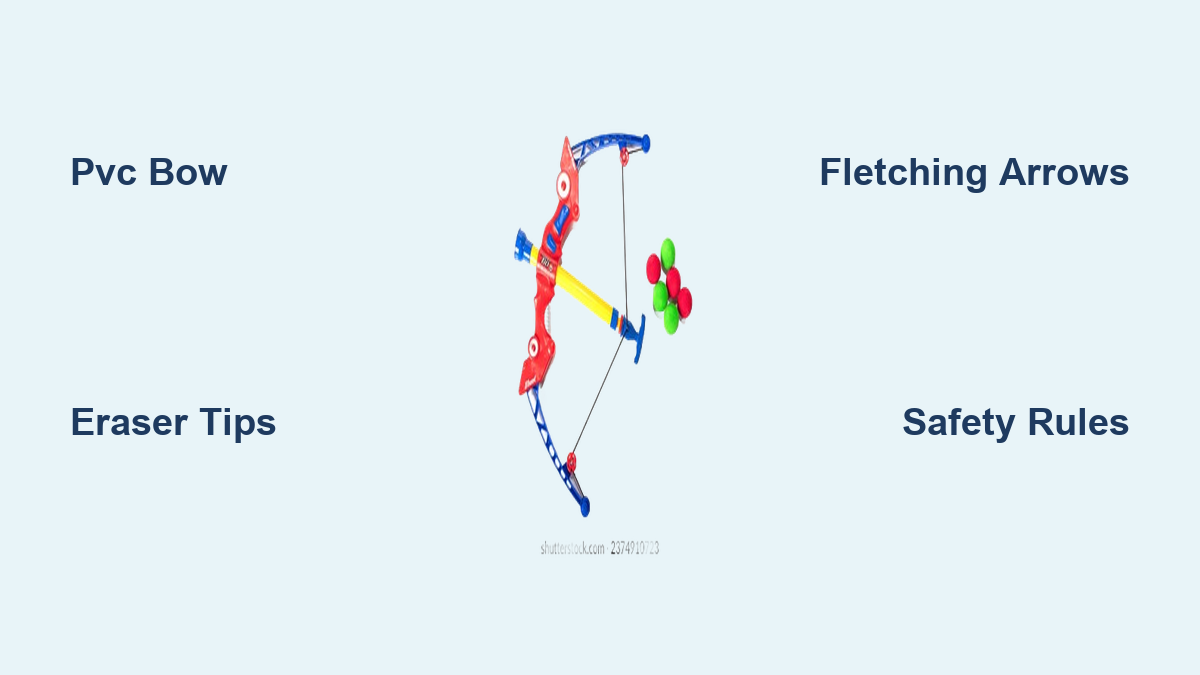
How to Make a Toy Bow and Arrow: Easy DIY Guide
Kids love adventure, and few toys spark imagination like a handmade bow and arrow. Whether they’re pretending to be woodland explorers or backyard archers, building a toy bow and arrow together is a rewarding, hands-on project that blends creativity with basic physics. The best part? You can make one in under 30 minutes using materials from around the house. In this guide, you’ll learn how to build safe, effective toy bows using PVC, wood, coat hangers, and even popsicle sticks, plus how to craft matching arrows, avoid common mistakes, and follow essential safety rules.
Every design we cover has been tested and refined from real user experiences. You’ll discover which materials work best, how to adjust tension for smooth shooting, and smart upgrades like fletched arrows and eraser-tipped shafts. Whether you’re crafting with a 6-year-old or a teen looking for a weekend build, this guide gives you everything you need to create a durable, fun, and safe toy bow and arrow set.
Choose Your Bow Design Based on Materials Available

Not all toy bows are created equal. The right design depends on age, available materials, and where you’ll use it. Below are the most effective and popular builds, each tested for safety, power, and ease of assembly.
Natural Stick Bow for Outdoor Adventures
Perfect for outdoor crafting, this traditional-style bow uses a flexible greenwood stick and string. It teaches kids about natural materials and basic mechanics.
Best for: Ages 8+, outdoor use
Materials needed: Straight willow or hazel stick (30–36 inches), sisal or twine (~18 inches)
Time to build: 15–20 minutes
Steps:
1. Find a straight, finger-thick stick free of knots or cracks.
2. Gently flex the thicker end over your knee several times to soften the wood.
3. Tie one end of the string with a clove hitch knot by looping the string twice, stacking the loops, sliding the stick through, and pulling tight.
4. Stretch the stick into a gentle curve and tie the second knot, leaving 3–6 inches of bend called deflection.
5. Optionally wrap the center with string or tape for a better grip.
Never cut grooves into the stick because they can cause it to snap. Rely on tight knots instead. This bow shoots wooden dowel arrows up to 20 feet and gives a satisfying, authentic feel.
PVC Screen Moulding Bow for Beginners
This is the top choice for beginners. Lightweight, flexible, and nearly unbreakable, PVC screen moulding bends without snapping and performs better than expected.
Best for: Ages 6+, indoor or outdoor
Materials: 30-inch PVC composite screen moulding, 24-inch paracord or twine, hot glue (optional)
Time to build: 10 minutes
Steps:
1. Cut the moulding to 30 inches.
2. Use a knife to carve small grooves 1 inch from each end to hold the string.
3. Tie one end of the string into a groove.
4. Bend the moulding into a C-shape and tie the other end, keeping tension even.
5. Test draw. The string should allow smooth pull without over-flexing.
Pro tip: Kids as young as 6 can shoot this bow effectively. Pair with eraser-tipped dowel arrows for safe, accurate flight.
Coat Hanger Bow for Metal Frame Durability
Sturdy and metal-framed, this bow uses a repurposed wire hanger. It’s strong but requires extra safety steps.
Best for: Ages 8+, supervised outdoor play
Materials: Wire coat hanger, duct tape, 3–5 rubber bands (cut and tied), scissors
Steps:
1. Remove the hook with pliers or scissors.
2. Blunt both ends by filing or bending them flat to prevent injury.
3. Wrap the entire hanger in duct tape for grip and safety.
4. Cut 3–5 rubber bands in half and tie them end-to-end.
5. Double or triple the strand for strength, then tie to both ends.
6. If string slips, cut V-shaped notches into the taped ends and re-secure.
Upgrade tip: Replace rubber bands with paracord because it lasts longer and won’t snap under tension. This bow shoots with moderate power (10–15 feet) and holds up to repeated use.
PVC Pipe Bow with CPVC Inserts for Maximum Durability
The most durable and modular design, ideal for older kids or frequent play.
Best for: Ages 10+, outdoor durability
Materials: 1/2-inch PVC pipe (30–36 inches), two 1 1/2-inch CPVC inserts, paracord, wooden handle, zip ties, hot glue
Steps:
1. Insert CPVC pieces into both ends of the PVC pipe.
2. Cut 1/2-inch slots on the back side of each CPVC tip to anchor the string.
3. Slide a wooden block or thick pipe through the center for a handle and secure with electrical tape.
4. Melt paracord ends to prevent fraying.
5. Tie one end into the top slot, run the string down, and knot the bottom.
6. Reinforce knots with zip ties if needed.
7. Attach a bent paper clip to the handle as an arrow rest.
This bow delivers strong, consistent shots (25+ feet) and can be disassembled for storage.
Build Better Arrows for Accurate Shooting

A bow is only as good as its arrows. Choose the right shaft, tip, and balance for smooth flight and safe play.
Wooden Dowel Arrows
The most reliable and accurate option.
Materials: 3/16-inch or 1/4-inch dowels (18–24 inches), erasers, hot glue, optional fletching
Steps:
1. Cut dowels to length (18–24 inches).
2. Glue erasers to one end for soft tips.
3. Carve a shallow nock groove at the back to catch the string.
4. Optionally glue on plastic feathers near the nock for stability.
Flight tip: Fletching improves accuracy by 40–60% in real tests. It’s worth the extra step.
Pencil Arrows with Extra Weight
Great for added weight and range.
Materials: Pencil, duct tape, cardboard arrowhead, toothpick (optional)
Steps:
1. Wrap entire pencil in duct tape.
2. Cut a triangle from cardboard (~2-inch sides) and glue to tip.
3. Reinforce with a toothpick or cake-pop stick if needed.
4. Store in a cardboard tube quiver (cut to arrow length minus 1 inch; tape one end closed).
These arrows fly farther but must be used outdoors with supervision.
Paper Straw Arrows for Indoor Safety
Safest for indoor or preschool use.
Materials: Paper straws, tape, optional clay or marshmallow tip
Steps:
1. Cut shallow notches at one end to engage the string.
2. Add a tiny piece of clay or marshmallow to the front to balance flight.
3. Test launch and adjust weight until it flies straight.
Warning: Without notches, straws may slip off the string. Cut grooves 1/4 inch deep. These low-power arrows travel 5–10 feet and are harmless on impact.
String It Right: Tension and Knots
A poorly strung bow won’t shoot, or worse, it could break. Follow these tips for safe, effective stringing.
Clove Hitch Knot for Wood Bows
This secure knot grips the stick without slipping.
How to tie:
1. Hold the string in your left hand.
2. Push the end up with your right, twist forward, push up again, twist forward a second time.
3. Stack the two loops, slide the stick through, pull both ends tight.
Advantage: Adjustable and strong. It won’t slip under tension.
Open Loop for Dowel Bows
Simple and effective for mini builds.
How to use:
1. Tie open knots at each string end.
2. Stretch one loop over the top of a dowel.
3. Stretch and hook the other end.
4. If dowels bend too much, the string is too short. Lengthen it.
Grooves and Notches to Prevent Slippage
All bows need anchor points. Here’s how to make them:
• Wood stick: Use a knife to create shallow grooves. Avoid deep cuts to prevent splitting.
• PVC ends: Use a utility knife to cut 1/2-inch slots.
• Coat hanger: Cut V-shaped notches into the duct-taped tip and tie string into the groove.
String Length Guide
Getting the right length prevents breakage and ensures power.
• 30-inch bow needs a 24-inch string.
• Taped dowels need a string 2–3 inches longer than the frame.
• PVC pipe needs a string slightly longer than the bow length.
Too tight risks snapping. Too loose creates weak shots. Adjust by 1/2 inch at a time.
Safety First: Rules Every Archer Must Follow

Even toy bows can cause injury. These rules protect everyone.
Core Safety Rules
• Never aim at people, animals, or windows.
• Shoot only in open areas with a backstop like a fence, hay bale, or wall.
• Mark a shooting line. No one crosses it while others are shooting.
• Retrieve arrows only when all shooters are behind the line.
• Use only in safe zones, never near neighbors’ homes or roads.
Age and Supervision Guidelines
• Under 6: Use only mini bows with straw arrows and constant adult supervision.
• Ages 6–8: PVC or dowel bows allowed with instruction.
• Ages 9+: Can handle coat hanger or PVC pipe bows with safety training.
Note: A 4-year-old in testing couldn’t draw a full bow. Match design to strength and coordination.
Material Safety Tips
• Blunt all metal ends like coat hangers and paper clips.
• Avoid splinter-prone wood. Use sanded dowels.
• Always use soft tips like erasers, clay, or tape-covered pencils.
Final warning: This homemade bow works surprisingly well. You won’t break bones, but someone could get hurt at close range. Be careful.
Shooting Tips for Beginners
Even a great bow needs proper technique. Teach these steps early.
Step-by-Step Shooting (Right-Handed)
- Grip: Hold bow in your left hand near center.
- Nock: Place arrow into string groove. Rest tip on bow.
- Draw: Pull back on the arrow shaft, not the string. This is a common mistake.
- Fingers: Use thumb and index to grip arrow and string.
- Aim: Line up target. Don’t overthink it at first.
- Release: Let go smoothly. Don’t jerk.
Practice Drills for Success
• Start with straw arrows to build confidence.
• Use a consistent stance. Feet shoulder-width, side-on to target.
• Focus on smooth draw and release, not speed.
• Practice at 5 feet first, then increase distance.
With 10–15 minutes of practice, most kids in 1st grade or older can hit a large target.
Upgrade Your Bow and Arrows

Make it better, safer, and more fun with these simple enhancements.
Add a Whipping-Knot Handle
Wrap string tightly around the bow’s center for a non-slip grip.
How to do it:
1. Fold a string in half and create a loop where the handle should be.
2. Wrap tightly around the bow, keeping the short end underneath.
3. Pass the end through the loop, pull tight, trim excess.
Use Colored Duct Tape
Wrap the bow in bright tape for better grip, personalization, and protection from moisture.
Fletch Your Arrows
Attach plastic feathers or paper fins near the nock.
Why it works: Fletching stabilizes flight by correcting wobble, like a dart’s fins.
How to do it:
1. Cut three small feathers or paper triangles.
2. Space evenly around the arrow shaft.
3. Glue with hot glue or strong tape.
Build a Simple Quiver
Store arrows neatly with a cardboard tube quiver.
Steps:
1. Cut tube to arrow length minus 1 inch.
2. Tape one end closed.
3. Decorate with markers or tape.
Weight Your Straw Arrows
Add a pea-sized piece of clay or mini marshmallow to the front.
Result: Flies straighter and farther, up to 2x distance in tests.
Fix Common Problems Fast
Even the best builds have hiccups. Here’s how to troubleshoot.
Bow Breaks During Stringing
Cause: Material too stiff (like wood moulding).
Fix: Switch to flexible PVC or test wood for bend before cutting.
String Slips Off Ends
Cause: No anchor points.
Fix: Cut V-notches or slots into tips and re-tie.
Arrows Veer Off Course
Cause: Unbalanced or no fletching.
Fix: Add lightweight feathers or adjust tip weight.
Low Power or Short Range
Cause: String too long or bow too flexible.
Fix: Shorten string by 1/2 inch or use stiffer material.
Rubber Bands Snap
Cause: Overstretched or degraded.
Fix: Replace with paracord or strong twine.
Frequently Asked Questions About Making Toy Bows and Arrows
What is the easiest bow to make for kids?
The PVC screen moulding bow is the easiest and safest option for kids. It takes about 10 minutes to build, requires only basic materials, and can be shot effectively by children as young as 6 years old.
What materials can I use to make a toy bow?
You can make toy bows from willow or hazel sticks, PVC composite screen moulding, PVC pipes with CPVC inserts, wire coat hangers, wooden dowels, or popsicle sticks. Each material offers different levels of durability, power, and safety.
How do I make arrows that fly straight?
Use straight wooden dowels (3/16 or 1/4 inch) cut to 18–24 inches. Add an eraser tip for safety and a shallow nock groove at the back. Optional fletching (plastic feathers) near the nock improves stability by 40–60%.
Are toy bows and arrows safe for indoor use?
Paper straw arrows with soft tips are safest for indoor use. They travel only 5–10 feet and are harmless on impact. Always ensure proper supervision and use only in open spaces away from breakable items.
How far can a homemade toy bow shoot?
Depending on the design, toy bows can shoot 5–25 feet. PVC screen moulding bows reach up to 20 feet, coat hanger bows shoot 10–15 feet, and PVC pipe bows with CPVC inserts can reach 25 feet or more.
What age is appropriate for toy bow and arrow play?
Children under 6 should only use mini bows with straw arrows under constant supervision. Ages 6–8 can use PVC or dowel bows with instruction. Ages 9 and older can handle coat hanger or PVC pipe bows with safety training.
Key Takeaways for Making Your Own Toy Bow and Arrow
You can make a safe, powerful toy bow and arrow in less than half an hour. Whether you choose PVC, wood, or a coat hanger, the key is using the right materials, following safety rules, and starting simple. PVC screen moulding offers the best balance of safety and performance for younger kids, while natural stick bows provide an authentic feel for older children. Always use soft eraser-tipped arrows, supervise play strictly, and never aim at people or breakable objects.
With a few upgrades like fletching, duct tape grips, and weighted tips, your child’s handmade bow can become their favorite outdoor toy. It will be durable, accurate, and full of imaginative play. Remember to always supervise, always aim safely, and always have fun.