How to Carry a Bow and Arrow Safely
Carrying a bow and arrow properly is about more than convenience. It affects your safety, your gear’s longevity, and whether you can respond instantly when it matters most. Whether you’re a hunter stalking game at dawn, a reenactor stepping into history, or an archer heading to the range, knowing how to carry a bow and arrow correctly can mean the difference between success and injury. The right method depends on your bow type, environment, and what you’re doing. This guide covers every viable carry method with clear recommendations you can use immediately.
Choose the Right Carry for Your Bow Type

Your bow’s design determines how it should be carried. What works for one bow type may damage another.
Longbow Carry Requirements
Longbows range from 60 to 72 inches and are often one-piece. They must be unstrung when not in use. Leaving a longbow strung causes “set,” a permanent limb deformation that degrades power and shortens lifespan. The straight profile makes them awkward in slings or sheaths. Carry your longbow unstrung in a padded sleeve or hard case. Backpack mounting works if the bow is protected from crushing and moisture. Avoid over-the-shoulder carry unless using a modified quiver system for short-term transport.
Recurve Bow Carry Options
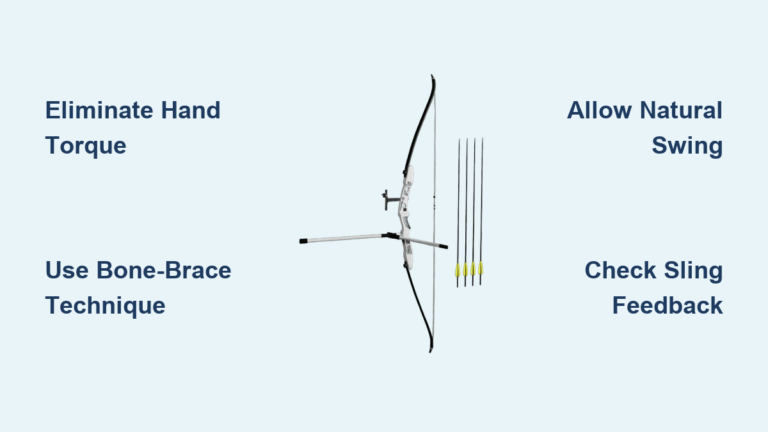
Recurve bows tolerate being strung for days, though unstringing after extended use still helps, especially with wooden limbs. Their shorter length and curved limbs improve balance, making them ideal for sling, quiver, or in-hand carry. Takedown recurves offer an advantage: disassemble the limbs for compact storage in a backpack or case. For hunting, a chest sling or in-hand grip keeps the bow ready. For reenactment, quiver-threaded or nail catch systems add authenticity.
Compound Bow Carry Guidelines
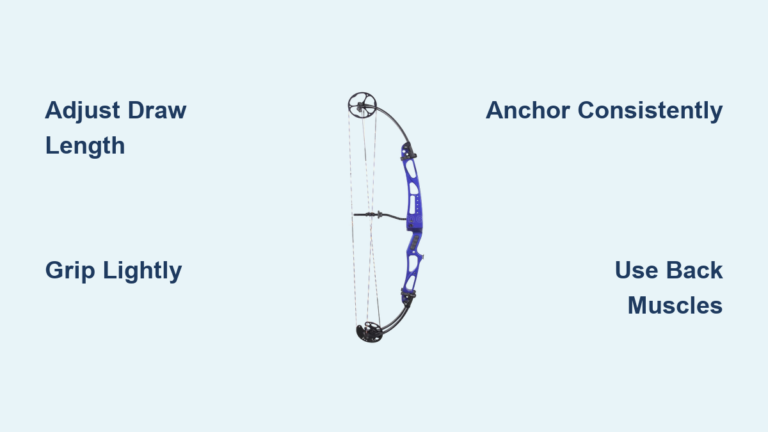
Compound bows are built to stay strung indefinitely. Their rigid limbs, cams, and accessories mean they’re safe to carry assembled, but vulnerable to impact. The added weight and protruding parts require secure support. Use a shoulder or chest sling for hiking. Never carry by the string or limbs. Always use a sling or in-hand grip. For long approaches, mount on a backpack with protective padding.
Horsebow Carry Systems
Short, reflexed horsebows work best with rigid sheath or hip-mounted carry. Traditional versions in Mongolia, Korea, and Manchuria used lacquered leather or wooden cases with hook systems for fast access. Modern users replicate this with wearable back sheaths or nail catch setups. The compact size allows stable hip or back placement. Avoid loose slings. This bow is designed for quick deployment.
In-Hand Carry: The Fastest Draw Method
In-hand carry is the gold standard for hunters who need instant readiness.
Why Hunters Choose This Method
With the bow gripped in your hand, you can respond in under a second when game appears. Veteran archers with decades of experience consistently choose this method. One expert with 68 years of practice keeps the bow in hand unless hiking in darkness. Another reports that 80% of kills came from walking up on animals suddenly. This method gives full control, prevents snags, and eliminates deployment delay when it matters most.
Proper Grip Technique
Follow these steps for a secure, fatigue-reducing grip:
- Hold the bow perpendicular to the ground
- Place your lifeline along the grip edge
- Rest the ball of your thumb on the grip
- Keep knuckles at a 45-degree angle
- Relax your hand without squeezing
- Use a finger sling to prevent drops after release
When to Use In-Hand Carry
This method works best for ground hunting in dense woods, public land where game appears suddenly, and short-distance movement. The downside is fatigue on long hikes. Use in-hand carry only when actively hunting.
Sling Systems for Hands-Free Transport
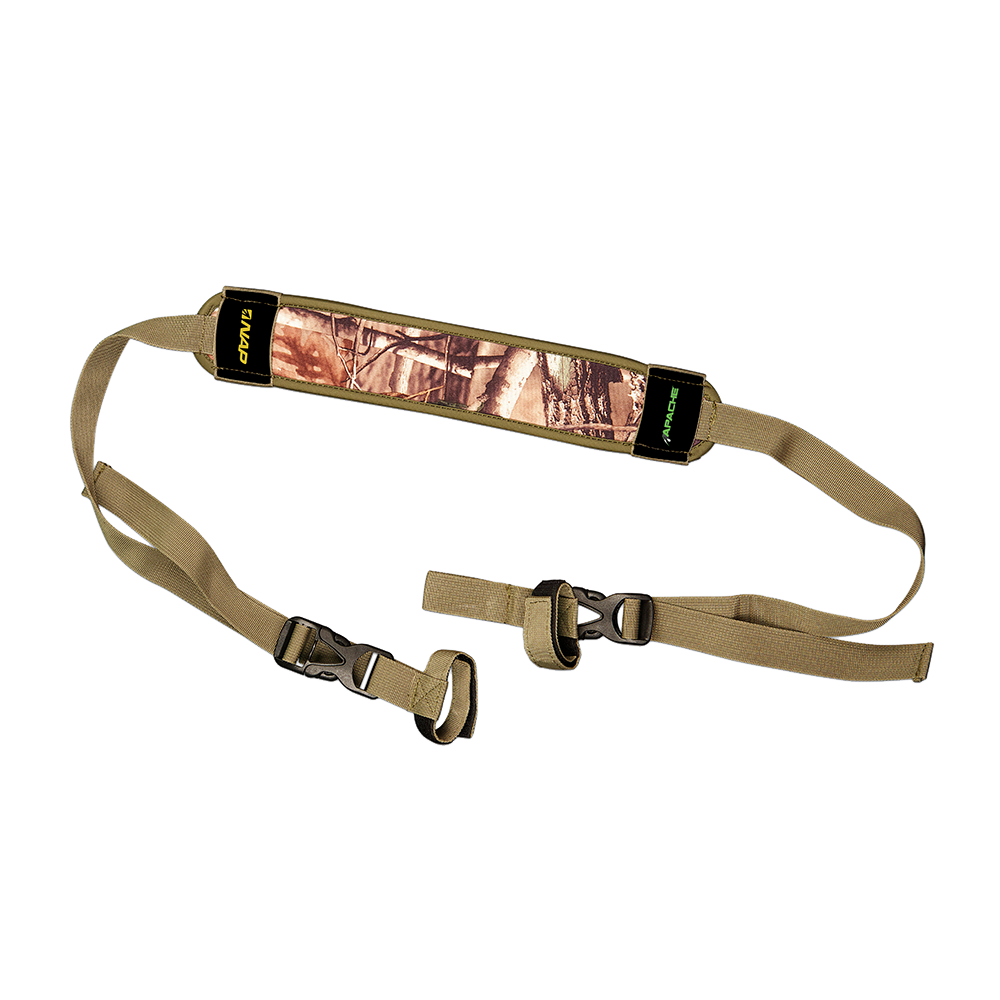
Slings free your hands for climbing, balance, or carrying gear.
Popular Sling Options
Several commercial slings serve different needs. The NAP Apache sits across the chest, keeping the bow accessible. The Sitka suits Western hunters for long-distance treks. The Bow Spider adds versatility and doubles as a shooting rest. You can also make a DIY sling from a paracord loop or duffle strap attached to riser limb pockets.
Risks With Sling Carry
Sling carry has notable drawbacks. Snagging in brush can yank the bow or dislodge arrows. Some users find it uncomfortable over time. Deployment takes 2 to 3 seconds, slower than in-hand draw. Use slings only for transit, not active hunting. Switch to in-hand before entering the hunt zone.
Quiver-Based Carry for Back Carry

This method threads a cord through the bowstring, anchoring to a reinforced back quiver or harness.
How It Works
The bow rests snugly against your back, stable during running or jumping. Lift it forward to draw, ready in 1 to 2 seconds. This system uses hempen cord or a dual-loop harness. It works best with recurves and horsebows. Longbows fit too but require a tall quiver.
Advantages and Limitations
Quiver-based carry offers hands-free movement, fast release, comfortable weight distribution, and an authentic look. The limitation is that it requires a modified quiver. Standard hip quivers won’t work.
Nail Catch System for Quick Access
The nail catch uses a protruding hook on your chest strap to hold the bow vertically on your back.
How to Use It
The bowstring loops over the nail, securing the bow. To draw, simply lift. The bow comes free instantly. Popularized by Shadiversity, this system has historical roots in Manchurian and Mongolian traditions. Modern versions include ball-bearing clips or wearable sheaths.
Pros and Cons
This method offers the fastest non-inhand draw with minimal bow contact. However, there’s risk of accidental disengagement. The nail can wear the string if unpadded. It’s not compatible with all clothing. Best for reenactments, traditional hunts, and mobile archery.
Bow Sheaths and Cases for Full Protection
Traditional cultures used leather or lacquered sheaths to fully enclose the bow.
Traditional and Modern Options
In Korea, Turkey, and Mongolia, rigid sheaths prevented moisture, impact, and string abrasion. Hip-mounted sheaths work well for horsebows. Back versions need a shoulder strap. For modern use, a padded bow sleeve or hard case works for urban travel or vehicle transport. Takedown bows should be disassembled and stored to reduce bulk and risk.
Critical Safety Note
Never carry a strung longbow loose. Always use a case. The risk of limb damage is too high.
Backpack Mounting for Long-Distance Hiking
For pre-dawn hikes or long approaches, strapping the bow to your backpack is practical.
Safe Mounting Methods
Use integrated bow carriers like the Alps Pursuit pack, or lash the bow securely with straps through limb pockets. Never fall on a bow. Broadheads can detach and cause injury. Toss the bow away if you lose balance. Some hunters use a deer cart to haul gear and avoid strain entirely.
Risk of Snagging
Branches can catch arrows or limbs. Use this method only in open terrain or with brush-lacing techniques.
Stabilizer-Assisted Shoulder Carry
If your bow has a 10 to 12 inch stabilizer, rest the top limb pocket on your shoulder and let the stabilizer run down your back.
How It Works
Lightly support the riser with your hand. This works with short to medium stabilizers and mule stabilizers that double as shooting rests. Users walk up to 3 miles in mountain terrain this way. Don’t try this with long stabilizers. They’ll drag and throw off balance.
Smart Arrow Carrying Methods
Protecting your arrows matters as much as protecting your bow.
Quiver Types and Best Uses
Back quivers suit reenactment for looks but offer slow access. Hip quivers provide fast draw with limited capacity. Bow-mounted quivers are convenient for range practice but add weight. Choose based on your activity.
Protecting Tips in Public
Always cap broadheads. Use blunt or practice points off the hunt. Store arrows in tubes or cases for urban travel. Avoid showing arrows openly. It can alarm others.
Legal and Social Rules for Carrying Bows
Open carry of bows is legal in most U.S. states when going to a hunting area or range, but local laws vary.
State-by-State Overview
Texas allows open carry. Virginia permits it with purpose. California allows it generally but check cities. New York is risky, especially NYC. Florida is a gray area with local rules applying. Canada varies by province.
Avoiding Trouble
Disassemble in public when possible. Use a case. Carry documentation like a range pass or hunting license. Explain calmly if questioned. Avoid crowded areas. Carrying like a fantasy character on a city sidewalk will draw attention and possibly police. Intent and perception matter.
Key Takeaways for Carrying Your Bow and Arrow
Match your method to your mission. Use in-hand carry for active hunting. Use sling or pack mount for long hikes in and out. Choose quiver carry, sheath, or nail catch for historical reenactment. Disassemble in a case for urban transport. Use in-hand or belt clip for range practice. Use pack carry with sleeve for backpacking.
Follow these core rules. Never carry by the string or limbs. Use a finger sling to prevent drops. Unstring longbows and recurves after use. Inspect strings for wear from friction. Combine methods as needed: sling for the hike, in-hand for the hunt.
Frequently Asked Questions About Carrying a Bow and Arrow
What is the safest way to carry a bow while hiking?
Use a shoulder or chest sling, or mount the bow on your backpack with protective padding. This keeps your hands free for balance and protects the bow from impact. Switch to in-hand carry before entering your hunting area.
Can you carry a bow in a backpack?
Yes. Use integrated bow carriers or thread straps through limb pockets. Always use a padded sleeve or case inside the backpack. Takedown bows can be disassembled for easier transport.
How do you carry arrows safely in public?
Store arrows in tubes or cases. Cap broadheads with protective covers. Use practice points instead of broadheads when not hunting. Keep arrows out of plain sight to avoid alarming the public.
Should I keep my bow strung while carrying it?
It depends on the bow type. Longbows must be unstrung to prevent permanent limb deformation. Recurve bows can stay strung for days but benefit from unstringing after extended use. Compound bows are designed to remain strung indefinitely.
What is the fastest carry method for hunting?
In-hand carry offers the fastest deployment at under one second. The bow is ready to shoot immediately without any deployment motion. This is why most hunters prefer it for active hunting situations.
Is it legal to carry a bow in public?
In most U.S. states, carrying a bow to a hunting area or range is legal. However, local laws vary significantly. Check your city and state regulations. Always use a case in urban areas and carry documentation of your intended purpose.