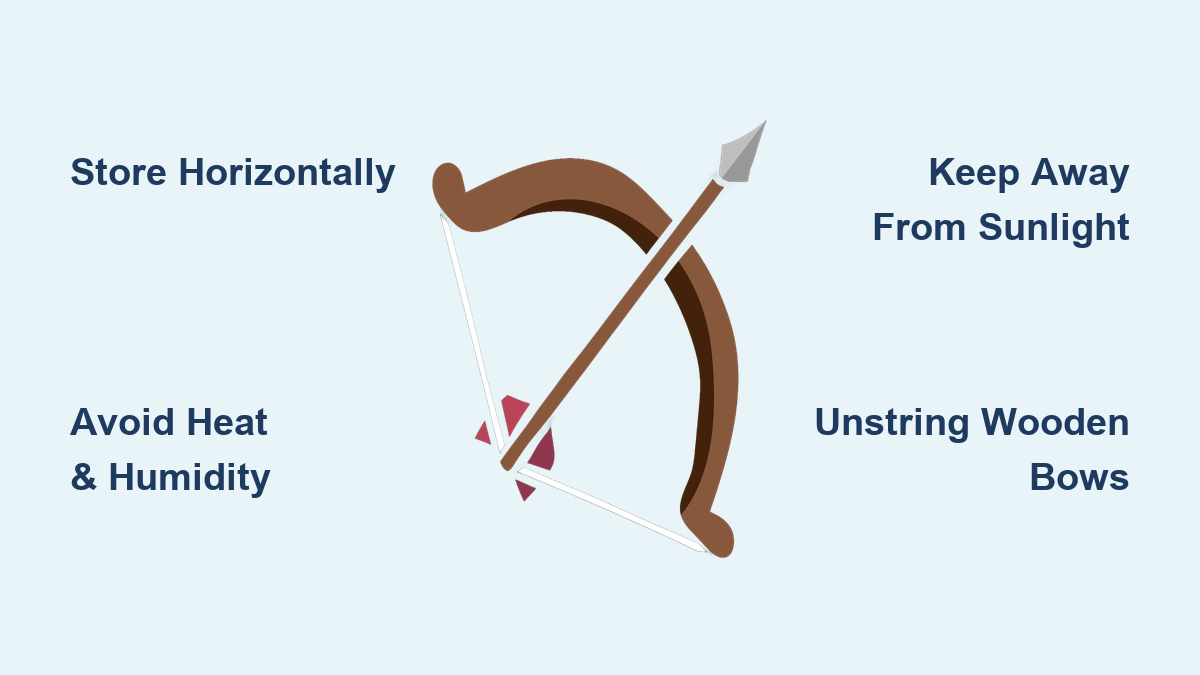
How to Store a Bow and Arrow: Best Tips
Leaving your bow and arrow exposed to heat, humidity, or improper positioning might seem harmless until you notice a warped limb, frayed string, or bent arrow. These aren’t not just performance issues; they are safety risks. Whether you are a weekend shooter or a competitive archer, how to store a bow and arrow correctly is critical to preserving its lifespan, accuracy, and structural integrity. Modern composite bows are more forgiving than traditional wooden ones, but no bow survives neglect. From temperature control to limb positioning and child safety, this guide delivers actionable, expert backed steps to protect your gear. You will learn what really matters, like why fiberglass recurves can stay strung but wooden ones must be unstrung, and avoid costly mistakes most archers make.
Store Bows Horizontally
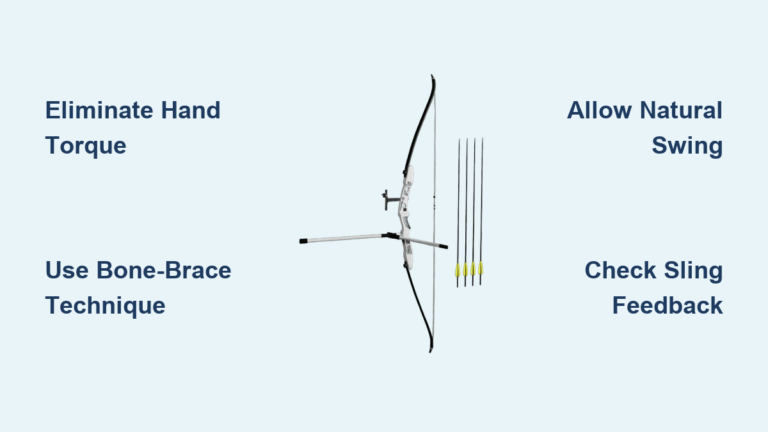
The safest way to store any bow is horizontally using two padded wall pegs. Position them 24 to 30 inches apart to match your bow is width. Use rubber, foam, or wooden pegs to prevent scratches and distribute weight evenly across both limbs and the riser. This setup prevents torque, limb twist, and long term warping, especially crucial for recurve and longbows. Never rely on a single hook or hang the bow by its string.
Use Wall Mounted Pegs
Wall mounted pegs provide the most stable horizontal storage option for bows. The two pegs should be padded to protect the bow is finish and positioned at a distance that matches your specific bow is width. This even distribution prevents stress on any single point of the bow. For recurve bows, this method keeps the limbs properly aligned and prevents the twisting that occurs when bows are stored improperly.
Avoid Vertical or Leaning Storage
Standing a bow on its tip, especially recurves or longbows, creates uneven pressure that can permanently deform the limbs. Even vertical racks must ensure perfect alignment and riser support to avoid damage. Leaning a bow against a wall or furniture risks bending and stress on the limb tips. If vertical storage is unavoidable, such as in a club setting, use a custom rack that supports the riser and keeps the bow perfectly upright.
Protect from Heat and Humidity
Extreme temperatures and moisture are the enemies of bow and arrow storage. Never store a bow in a car, attic, garage, or shed unless it is climate controlled. Interior vehicle temperatures can exceed 140 degrees Fahrenheit in summer, causing fiberglass and carbon limbs to warp, adhesives to soften, and strings to degrade. Cold below 32 degrees Fahrenheit makes limbs brittle and increases the risk of cracking. Always bring your bow inside after shooting.
Keep Bows Out of Cars and Garages
The interior of a vehicle can become a furnace in warm months, reaching temperatures that damage bow components permanently. Heat causes fiberglass and carbon limbs to warp, adhesives to break down, and strings to lose their tension. Cold temperatures create their own problems, making limbs brittle and prone to cracking during use. A climate controlled interior room provides the stable environment your bow needs.
Maintain 40 to 60 Percent Relative Humidity
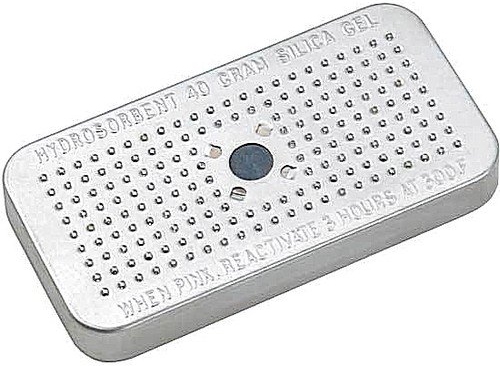
High humidity causes rust on metal parts like sights and rests, delamination in wooden limbs, and rot in feather fletchings. Low humidity dries out wooden bows and arrows, leading to cracks and structural weakness. Store in a climate controlled interior room and consider placing silica gel packs inside hard cases to regulate moisture levels. This simple step prevents the gradual degradation that humidity causes over time.
Shield from UV and Sunlight
UV radiation breaks down adhesives, weakens fiberglass and carbon, and fades finishes on bows. It also degrades bowstrings, fletching, and vanes over time. Never store your bow near a window, in a sunroom, or in a conservatory. Even indirect sunlight can cause cumulative damage that compromises your bow is performance and appearance.
Avoid Windows and Direct Light
Position your storage area away from windows and any source of direct light. UV rays penetrate glass and continue damaging your equipment even when the sun is not directly shining on the bow. This damage accumulates over time and may not be visible until significant degradation has occurred. A dark closet or interior room provides the best protection against UV damage.
Store Recurve Bows Properly
Recurve bows require different treatment depending on their construction material. Understanding whether your recurve is made of wood or fiberglass determines how you should store it. The wrong storage method can permanently reduce your bow is draw weight and accuracy.
Unstring Wooden Recurves After Use
Wooden recurve bows and self bows must be unstrung after every use. Wood takes a set under tension, leading to permanent limb deformation, loss of draw weight, and asymmetry. Leaving a wooden recurve strung shortens its life significantly. This is not an exaggeration; it is a fact that experienced archers understand and practice religiously.
Fiberglass Recurves Can Stay Strung
Modern fiberglass or composite recurve bows can remain strung for months or even years without damage. Real world examples include a Fred Bear fiberglass recurve left strung for seven years with only a minor draw weight loss that fully recovered after a week unstrung. Most archery clubs keep beginner fiberglass bows strung for convenience without issues.
Takedown Recurves: Unstring for Long Term Storage
For ILF or takedown recurves, you can leave them strung for short term storage up to three weeks if shooting frequently. For off season storage, unstring and disassemble by removing limbs from the riser. This relieves stress on limb pockets and prolongs string life. Taking this extra step ensures your equipment remains in top condition between seasons.
Store Compound Bows Correctly
Compound bows have specific requirements that differ from recurves. Understanding these requirements prevents costly damage and maintains your bow is performance.
Always Keep Strung
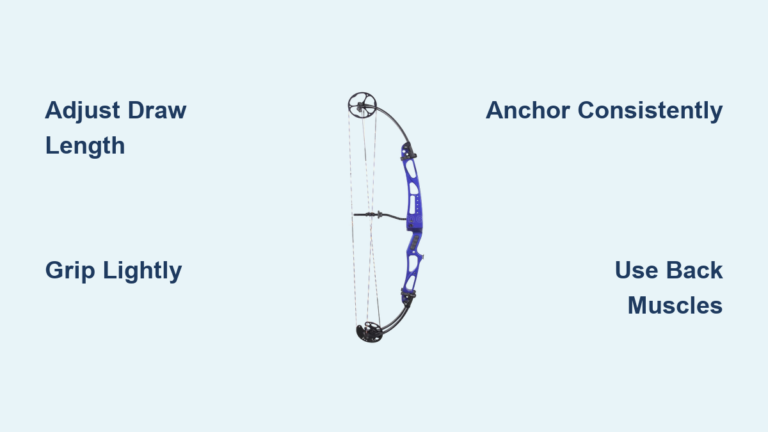
Compound bows are not designed to be unstrung without a bow press. Doing so risks cam timing issues, limb shifting, and structural damage. Always store your compound bow strung. This is a fundamental rule that should never be violated.
Back Off Limb Bolts for Off Season
For long term storage such as during winter, back off limb bolts two to three full turns from maximum tension. This reduces stress on limbs, cams, and strings without unbracing the bow. Do not fully unbrace unless performing maintenance. This simple adjustment extends the life of your equipment significantly.
Use a Hard Case with Riser Support
Store compound bows in a lockable, crushproof case such as SKB, Plano, or ATA models with custom foam. If hanging, use a riser supported hanger, never by the string or cams. Never stand a compound bow on its cams because this can damage axles and bearings. The investment in a proper case pays dividends in protection.
Store Longbows and Traditional Bows
Traditional bows require the most careful storage practices due to their wooden construction. Neglecting proper storage leads to permanent damage and performance loss.
Always Unstring After Shooting
Wooden longbows and traditional bows must be unstrung after every use. These bows are highly prone to taking a set, which leads to performance loss and structural fatigue. Long term strung storage increases the risk of cracking and warping dramatically.
Consider Backstringing
Use a lighter backstring when the bow is unstrung. This helps maintain the natural curvature of the limbs and prevents reverse set, especially in humid or dry conditions. This technique has been used by traditional archers for generations.
Store Horizontally in a Padded Case
Place the unstrung longbow in a padded case or on a horizontal rack with limb support. Avoid any vertical or leaning storage that could bend the tips. Horizontal storage distributes weight evenly and prevents the stress that leads to warping.
Store Arrows Safely
Arrows require their own storage considerations to prevent bending, damage to fletching, and deterioration of materials. Proper arrow storage protects your investment and ensures consistent shooting performance.
Use Quivers, Tubes, or Cases with Dividers
Never toss arrows loosely into a closet or trunk. Store them in a quiver, arrow tube, or enclosed case with dividers. Foam dividers are ideal because they protect shafts without scratching. Plastic dividers can dent carbon or aluminum arrows if overloaded. This organization also makes it easier to find the right arrow when you need it.
Keep Arrows Upright or Flat
Vertical storage in stand up quivers keeps arrows straight and organized. Horizontal storage in cases or drawers works if dividers prevent contact between arrows. Never lean arrows against walls or furniture because this can cause permanent bending that ruins accuracy.
Protect Feathers and Fletchings
Feathers are sensitive to moisture and UV light. Keep wooden or traditional arrows dry and waterproofed. For damp feathers, use steam from boiling water to dry them gently. Store in low humidity environments to prevent warping and deterioration of natural materials.
Maintain Arrows by Material
Different arrow materials require different maintenance approaches. Understanding these differences prevents unnecessary damage and extends arrow life.
Carbon and Aluminum Arrows
Carbon and aluminum arrows require low maintenance but need regular inspection. Check for cracks or splinters in carbon shafts, dents or bends in aluminum, loose nocks or points, and spine degradation from repeated impacts. Replace any damaged arrows immediately to prevent safety issues.
Wooden and Bamboo Arrows
Wooden arrows require more care than their modern counterparts. Apply varnish or Danish oil regularly to prevent drying and cracking. Waterproof feathers with commercial sealants. Store in a stable environment and avoid humidity swings that cause wood to expand and contract.
Pre-Storage Maintenance Routine
Before storing your bow and arrows, perform a few simple maintenance steps that prevent damage during storage and extend the life of your equipment.
Clean Bow and Arrows
Wipe down the entire bow with a damp cloth to remove dirt, oils, and grime. Use damp Q tips for tight areas like cam grooves or limb pockets. Let everything air dry completely before storage. For arrows, clean shafts, nocks, and points, and remove corrosion from field points or broadheads.
Inspect for Damage
Check strings and cables for fraying, kinks, or worn servings. Inspect limbs for cracks, delamination, or warping. Tighten riser hardware including screws, bolts, and mounts for sight, rest, and stabilizer. Address any rust with steel wool or archery safe rust remover. Replace damaged parts before storage to prevent further deterioration.
Wax Strings Before Storage
Apply archery specific string wax to bowstrings and cables before long term storage. This prevents moisture absorption, reduces fiber breakdown, and extends string life. To wax, apply wax evenly along the string, work it into the fibers with your fingers, and wipe off excess. This simple step makes a significant difference in string longevity.
Best Storage Equipment
Having the right storage equipment protects your investment and makes organization easier. Several options exist for different needs and budgets.
Hard Cases for Maximum Protection
Use waterproof, crushproof, lockable cases from brands like SKB, Plano, or ATA for long term or travel storage. These protect against impact, moisture, UV, and theft. Add silica gel packs inside to control humidity. The initial investment pays off in years of reliable protection.
Wall Racks and Hangers
Raxx bow hangers provide padded, horizontal wall mounts ideal for most bow types. Guitar hangers work well for compound bows because they support the riser. Rush Creek offers wooden wall displays with storage that holds multiple bows and arrows while looking attractive in your home.
DIY Storage Ideas
Simple solutions work well for budget conscious archers. Two rubber coated pegs spaced to bow width create an effective horizontal rack. Ceiling hooks in basements provide convenient storage. PVC pipes cut to arrow length mounted vertically create affordable arrow quivers. Fishing rod racks convert easily to bow storage. Metal cabinets with S hooks and zip ties offer compact solutions for garage storage.
Winter and Long-Term Storage Checklist
When archery activity slows, follow these steps to prepare your equipment for storage. This checklist ensures nothing is forgotten and your gear remains in top condition.
Clean the bow and arrows thoroughly. Inspect for damage and repair or replace worn parts. Wax strings and cables. Back off limb bolts on compound bows two or more turns. Unstring wooden recurves, longbows, and traditional bows. Disassemble takedown recurves if desired. Store in a hard case or climate controlled rack. Add silica gel packs to absorb moisture. Schedule a tune up at an archery shop before the next season.
Keep Bows and Arrows Safe from Kids and Pets
Bows and arrows pose serious injury risks, especially to children and pets. Responsible storage protects your family and prevents accidents.
Lock Away or Store Out of Reach
Store out of reach on high shelves, in locked cabinets, or in closets. Use lockable cases or safes, especially if you have children or pets. Even responsible children can make poor decisions when friends visit. Taking these precautions provides peace of mind and prevents tragedy.
Disassemble Takedown Bows
For extra safety, disassemble takedown recurves and store limbs and riser separately. This makes the bow non functional and reduces temptation. The few extra minutes required for disassembly could prevent a serious accident.
Frequently Asked Questions About Storing Bows and Arrows
Can I leave my recurve bow strung all year?
Fiberglass and composite recurve bows can safely remain strung for extended periods, but wooden recurves must be unstrung after every use. Leaving wooden bows strung causes permanent deformation and loss of draw weight.
What happens if I store my bow in a car?
Storing a bow in a car exposes it to extreme heat that can exceed 140 degrees Fahrenheit. This causes fiberglass and carbon limbs to warp, adhesives to soften, and strings to degrade. Never leave bows in vehicles for extended periods.
Should I wax my bowstring before storing it?
Yes, waxing bowstrings before storage is essential. String wax prevents moisture absorption, reduces fiber breakdown, and extends string life significantly. Apply archery specific wax and work it into the fibers before putting your bow away.
How should I store my arrows?
Store arrows in quivers, tubes, or cases with dividers to prevent bending and protect fletching. Keep them upright or flat, never leaning against walls or furniture. Foam dividers work best because they do not scratch or dent shafts.
Can I store my compound bow unstrung?
No, compound bows should never be unstrung without a bow press. Unstringing risks cam timing issues, limb shifting, and structural damage. Always store compound bows strung, but back off limb bolts two to three turns for long term storage.
What humidity level is best for bow and arrow storage?
The ideal relative humidity for bow and arrow storage is 40 to 60 percent. High humidity causes rust and rot while low humidity dries out wooden components and leads to cracking. Using silica gel packs helps maintain stable humidity levels.
Key Takeaways for Storing Your Bow and Arrow
Proper bow and arrow storage is not optional; it is essential for maintaining performance, safety, and equipment longevity. The most important factors are temperature control, humidity management, and correct positioning. Always unstring wooden recurves, longbows, and traditional bows after use while keeping compound bows strung with limb bolts backed off. Store arrows in containers with dividers, never leaning against surfaces. Clean, inspect, and wax your equipment before long term storage, and keep everything locked away from children and pets. Following these guidelines ensures your gear remains in peak condition for years of accurate, safe shooting.