How to Install a Bow Stabilizer: Quick Steps
If you have ever struggled with shaky aim, inconsistent shots, or annoying vibration after release, installing a bow stabilizer could be exactly what you need. A stabilizer is not just an accessory, it is a performance tool that improves balance, reduces shock, and helps you shoot more accurately. Whether you are a hunter navigating tight treestands or a competitive shooter chasing tighter groups, knowing how to install a bow stabilizer correctly is essential. This guide walks you through every step, from mounting the front rod to fine-tuning your dual stabilizer system, so you can build a setup that feels natural, balanced, and dialed in for your specific shooting style.
Mount the Front Stabilizer
The front stabilizer is the foundation of your entire system. It attaches to the bottom of your bow riser and plays the biggest role in reducing vertical movement and improving shot consistency.
Locate and Use the Standard Threaded Hole
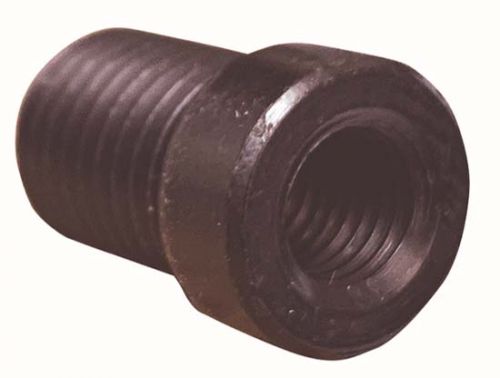
Find the 5/16″-24 threaded hole beneath the grip on your bow. This is the universal mounting point for front stabilizers on nearly all modern compound bows. Remove any factory-installed plug or cap, then clean the threads with a dry cloth to ensure a secure fit.
Take your stabilizer rod and hand-tighten it into the hole. Align the flat side of the rod upward or downward depending on whether it has a triangular or hexagonal profile. This orientation helps minimize wind resistance, which is especially important for longer rods used in open terrain.
Use a torque wrench set to 55 to 60 in-lbs when tightening to avoid over-tightening, which can strip the riser threads. Some models like the Riden or Ultra View systems include quick-release mechanisms or specialized locking features. Make sure these are fully engaged after installation.
Install the Bow Sling
A bow sling keeps your bow secure after release and supports an open-hand shooting technique, which reduces torque and improves accuracy.
Use the Circle of Life Sling
Thread the sling through the lower hole in the riser, loop it around the stabilizer shaft, then pass the free end through the formed loop to lock it in place. Create a small secondary loop and slide it over the main thread to prevent slippage.
You can install the sling before or after the stabilizer, either way works fine. Once secured, tighten the stabilizer fully so the sling does not shift during use. The sling does not interfere with stabilizer function and adds zero performance cost, only security and control.
Attach the V-Bar Bracket

To correct left-right imbalance and enhance overall stability, most archers use a rear stabilizer connected via a V-bar bracket.
Choose the Right Mounting Hole
Attach the V-bar bracket to either the upper or lower accessory hole on the riser. Many archers prefer the lower rear hole because it lowers the center of gravity, improves clearance in treestands, and reduces the chance of snagging on branches.
High-quality brackets from brands like Shrewd, Mathews, or Riddance offer micro-adjustments and click-angle settings, allowing precise tuning later. If your bow has multiple mounting points, start with the lower hole for better balance and field practicality.
Hand-tighten the bracket securely, but avoid overtightening. Stick to the 55 to 60 in-lbs torque standard if using a wrench.
Add the Rear Stabilizer
The rear or back bar counterbalances weight from side-mounted accessories like sights, quivers, and rests. This is especially critical for right-handed bows where gear typically loads the right side of the riser.
Position for Balance and Clearance
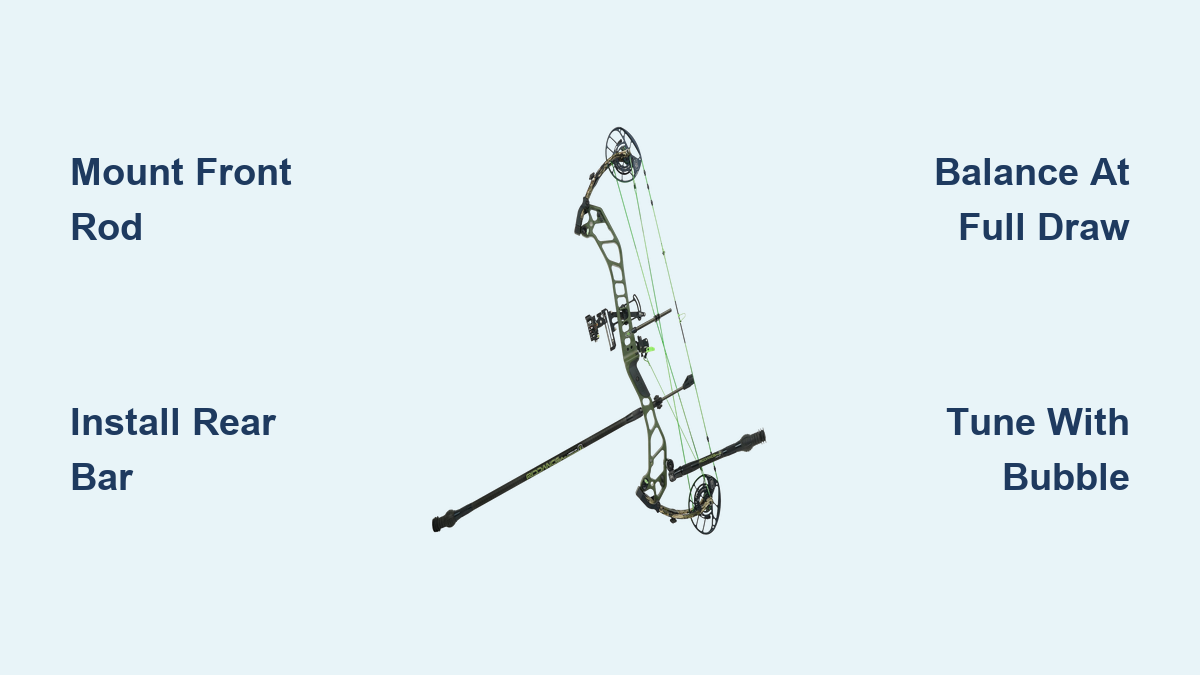
Slide the rear stabilizer into the V-bar bracket. For most setups, position it close to the string and angled slightly downward at about 10 degrees as a starting point.
For right-handed shooters, mount the rear bar on the left side of the riser. Reverse this orientation for left-handed archers. Secure it with a T-handle or screw-on cap. Quick-release systems like Ultra Lock make removal easy for transport or treestand use.
Small adjustments matter significantly. Moving the bar just an inch or changing its angle slightly can dramatically affect how the bow feels at full draw.
Balance at Full Draw
A bow may look balanced when resting on a table, but what matters is how it behaves at full draw. That is where real tuning begins.
Perform the Grip Test
Hold the bow with a relaxed, neutral grip with fingers loose and palm off the grip. Let go of the handle while supporting the bow only by your wrist or sling.
Observe how it tilts. A slight forward lean or level position is ideal. If it tips forward fast, you have too much front weight, so shorten the rod or reduce end weight. If it leans backward, add front weight or install a rear bar.
Most modern risers are top-heavy due to sight and quiver weight. A front stabilizer corrects this imbalance.
Tune Using the Chase the Bubble Method

This proven technique ensures your sight bubble centers naturally at full draw without forcing your hand into an unnatural position.
Follow These Steps
Draw the bow to full draw and settle into your anchor point. Close your eyes, hold for 2 seconds, then open them.
Check the bubble level on your sight. If the bubble is left, move the rear bar left. If the bubble is right, move the rear bar right. Repeat until the bubble centers on its own.
Use a V-bar with click-adjustable angles for repeatable, precise changes. This method creates a self-leveling system, reducing the need for constant correction and improving consistency under pressure.
Optimize Weight Distribution

How and where you place weight affects both vertical and horizontal stability.
Start With a Balanced Ratio
A common baseline is a 1 to 3 front-to-back weight ratio. For example, use 2 oz on the front rod and 6 oz on the rear. But this varies based on your draw length, riser design, and accessories.
Use removable weight stacks like Ultra Lock or 1 oz discs to test configurations incrementally. Longer front rods need less added weight because leverage does the work. Lowering the rear bar acts like adding weight because it helps lift the sight picture. Ideal total back-end weight is 3 to 5 oz for hunting setups.
Keep a log of each change and shoot 20 to 30 arrows per configuration to assess real-world impact.
Select the Right Length by Use Case
Stabilizer length should match your shooting environment, not just your bow.
Match Setup to Your Style
For ground blind hunting, use an 8 to 10 inch front rod and 6 to 8 inch rear rod to avoid wall snags.
For treestand hunting, use a 10 to 12 inch front rod and 8 inch rear rod for limb clearance.
For open terrain hunting, use a 12 to 15 inch front rod and 8 to 10 inch rear rod for maximum stability.
For target archery, use a 24 to 30 plus inch front rod and 10 to 12 inch rear rod for precision and dampening.
For 3D shooting, use a 15 to 24 inch front rod and 10 to 12 inch rear rod for balance of speed and control.
If you hunt from a ground blind, go short. A 10-inch rod beats a 30-inch one that catches every corner.
Choose a High-Performance Stabilizer
Not all stabilizers are created equal. Material, design, and dampening capabilities matter significantly.
Top Brands and Features
Axcel Antler Ridge is the best overall option with excellent vibration control and build quality. Shrewd Vantage offers premium dampening and micro-adjustable brackets. Cutter provides precision engineering for competition. Trophy Ridge and Riden deliver great value for hunters. AAE Carbon Triad features an aerodynamic shape that reduces wind drift.
Consider adding an Axcel Kryptos Arc dampener to any stabilizer for superior vibration absorption. Carbon fiber rods are lighter and stiffer than aluminum, making them ideal for performance tuning.
Troubleshoot Common Problems
Even well-installed stabilizers can cause issues if not properly tuned.
Fix These Issues Fast
If your bow tilts left or right at full draw, adjust the rear bar position or weight by chasing the bubble.
If you are holding low, lower the rear bar or add weight to it.
If your pin drifts down, you have too much front weight. Shift weight closer to the riser or shorten the rod.
If your pin drifts up, add front weight or extend the weight farther out on the rod.
If you experience shoulder pain or fatigue, your setup is too heavy. Lighten total weight or bring mass closer to the riser.
If the stabilizer loosens during shooting, tighten to 55 to 60 in-lbs. Apply thread locker like Loctite if the manufacturer recommends it.
If you practice with a quiver but hunt without one, your tuning is invalid. Stay consistent and balance the bow for how you actually shoot.
Maintain Your Stabilizer System
A well-maintained system lasts longer and performs better.
Follow These Care Tips
Inspect threads regularly for wear. Clean rods and weights with a dry cloth after each use. Check tightness before every shoot because vibration loosens components over time. Store in a case to protect carbon fiber from impacts. Replace worn dampeners or end caps as needed. Use thread locker only if the manufacturer recommends it.
Test and Validate Your Setup
The only way to know if a stabilizer improves your shooting is to test it with real arrows.
Use This Validation Protocol
Start with a baseline using a 27 inch front rod, no rear bar, and minimal weight. Shoot 3 to 5 groups at 20 to 40 yards.
Add the rear bar and repeat the process. Adjust weight in 1 oz increments, shooting after each change.
Compare group size, pin float, and comfort. Note when fatigue starts because hiking your shoulder means the setup is too heavy.
Shoot through paper to confirm there is no negative arrow flight impact.
The only way to know if you would shoot better with a stabilizer is to get out and experiment.
Frequently Asked Questions About Installing a Bow Stabilizer
What size stabilizer do I need for hunting?
For hunting, a 10 to 12 inch front stabilizer and 8 inch rear stabilizer work well for most scenarios. If you hunt from a ground blind, go shorter at 8 to 10 inches. If you hunt in open terrain and need maximum stability, use 12 to 15 inches.
Do I need both front and rear stabilizers?
You do not need both, but using both provides better balance control. A front stabilizer alone reduces vertical movement, while a rear bar counteracts side weight from accessories like sights and quivers. Most serious hunters and target shooters benefit from a dual stabilizer system.
How much weight should I add to my stabilizer?
Start with around 2 oz on the front rod and 4 to 6 oz on the rear. A 1 to 3 front-to-back ratio is a good starting point. Adjust in 1 oz increments while testing groups until you find what feels balanced at full draw.
Can I leave my stabilizer on while hunting?
Yes, you can leave it attached. However, longer stabilizers may catch on branches in thick cover. Consider a quick-release system if you need to remove it frequently. Make sure your setup matches how you actually hunt, whether with or without a quiver.
How do I know if my bow is balanced at full draw?
Perform the grip test by holding the bow loosely, letting go with your hand, and observing how it tilts. The bow should settle slightly forward or level. Use the chase the bubble method with your sight level to fine-tune until the bubble centers naturally without forcing it.
Final Thoughts on Installing Your Bow Stabilizer
A properly installed and tuned bow stabilizer transforms your shooting experience. It does not just reduce vibration, it enhances control, consistency, and confidence. By following these steps, you will build a system tailored to your body, bow, and shooting environment.
The key points to remember are to mount the front stabilizer securely into the standard threaded hole, use a rear bar to counteract side weight from accessories, and tune everything at full draw rather than at rest. Small adjustments make a big difference, so take your time experimenting with weight placement and rod lengths.
Whether you are stalking deer or competing on the range, the right stabilizer setup keeps your pin steady and your shots tight. Install it right, tune it at full draw, and let your bow feel like an extension of your arm.