How to Make a Bow and Arrow: Beginner’s Guide
You’ve seen it in survival shows and ancient art. Crafting a bow and arrow from scratch is one of humanity’s oldest skills, and you don’t need years of experience to build your own. With basic tools, the right wood, and careful shaping, any beginner can create a working bow and arrow at home or in the wild.
This guide walks you through the entire process, from selecting the best wood to shooting your first arrow. You’ll learn how to dry the stave, shape and tiller the limbs evenly, tie a strong bowstring, and craft effective arrows using everyday materials.
Choose the Right Wood for Your Bow
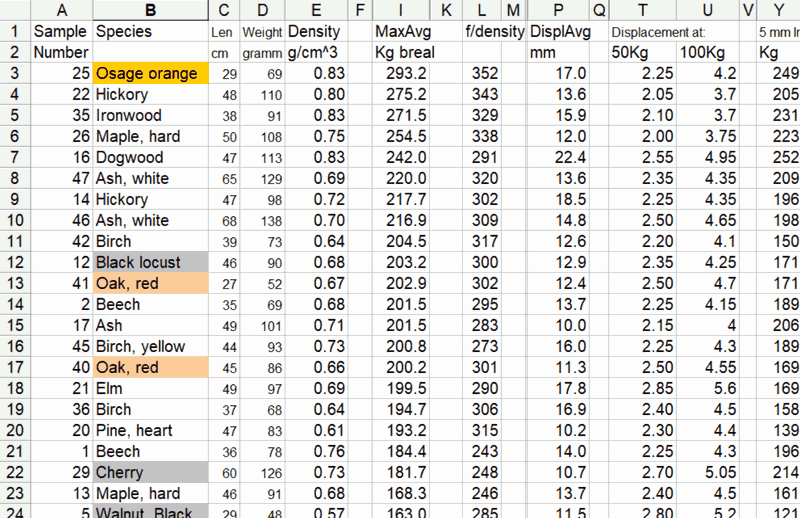
The success of your bow starts with the stave, the raw piece of wood that becomes the bow. Not all wood works, but many common hardwoods are excellent for beginners.
Pick a Strong, Straight-Grained Hardwood
Avoid softwoods like pine for primary limbs unless you’re making a survival version with green wood. The best beginner-friendly woods include:
• Hickory is tough, shock-resistant, and forgiving if slightly uneven
• Ash offers excellent flexibility and consistent grain
• Maple is dense and strong, though slightly more brittle
• Elm is durable and bends well without breaking
• White oak is a traditional choice with proven performance
You do not need rare or expensive wood. A straight-grained hickory or ash limb works just fine for your first build.
Find the Ideal Tree or Branch
Look for wood with at least 4 inches diameter to allow a flat back. The length should be your height plus one foot, and the grain must be straight with no knots or twists. Spring or summer is the best time to harvest because sap makes bark easier to peel.
Prepare the Bow Stave
Once you’ve selected your wood, proper preparation prevents cracking and sets you up for success.
Cut and Seal the Stave Immediately
Cut a straight section of trunk or large limb, 60 to 70 inches long. Seal both ends immediately with wood glue, paint, or wax to prevent cracking from rapid moisture loss. Store in a dry, cool place for a week to stabilize before further work.
Split and Shape the Stave
Split the log in half using wedges and a hammer, which follows the grain and reveals hidden flaws. Remove the bark with a drawknife to expose clean sapwood. Then rough out the bow shape, keeping the center 10 inches thick for the handle and tapering limbs to about three-quarter inch thick.
The goal is a blank that looks like a bow, thick in the middle and thinning toward the tips.
Dry the Wood Quickly and Safely
Many beginners believe wood must season for a year, but with proper technique, usable moisture content can be achieved in days or weeks.
Air Dry or Accelerate the Process
For natural drying, place the stave in a dry, ventilated area like a garage or shed. Weigh it every few days. When weight stops dropping over a week, it is dry.
For accelerated drying, use the trench method. Dig a trench 1 foot deep, build a hardwood fire, and let it burn down to coals. Suspend the roughed-out bow above the coals and cover with tarp to trap heat. Leave overnight, and moisture drops to under 10 percent.
Never skip sealing the ends. Rapid drying increases crack risk if the ends are unprotected.
Design the Bow Shape

Accurate design ensures your bow performs well and bends evenly.
Set the Correct Length
Use the formula: bow length equals draw length multiplied by two, plus six inches. For example, a 28-inch draw requires a 62-inch bow. Most beginners start with a 64-inch longbow, which is forgiving and stable.
Mark Key Sections on the Stave
Using pencil and a chalk line, mark the handle section 4 inches long and about 1 and 1/8 inches wide. The limbs should widen to 1.5 inches past the handle, then taper to half-inch wide nocks at the tips. Snap a centerline down the back to ensure symmetry when shaping.
Rough Out the Bow Blank
This step transforms your stave into the recognizable bow silhouette.
Shape the Silhouette
Using a hatchet, drawknife, or rasp, cut the side profile to match your marked lines. Remove belly wood to create a house-shaped cross section, flat on the back and belly with angled sides. Set your compass to three-eighths inch and rasp down to this near-final thickness.
Never cut into the back of the bow. It is under tension when drawn and must remain flawless.
Tillering: Shape for Even Bend
Tillering is the most critical step in bow making. It ensures both limbs bend evenly under tension.
Build a Tillering Tree
A tillering tree lets you safely test how both limbs bend. Build one for under $10 using a wall or post, a pulley and rope, and a cradle to hold the bow at about 5 feet high. This tool is non-negotiable for beginners who want accurate results.
Two-Stage Tillering Process
For floor tillering, stand one tip on the floor and press down on the other. Watch for stiff spots that do not flex enough or hinges that bend too sharply. Mark problem areas with pencil.
Fix stiff spots by using a drawknife on edge to remove small shavings from the belly. Bend and recheck often, letting wood settle by flexing several times before rechecking.
For final tillering, use a long tillering string and pull gently while observing limb symmetry. If one limb is stiffer, scrape its belly. If a hinge forms, stop removing wood there until the other limb catches up.
Removing too much wood late in tillering can force you to weaken the entire bow, resulting in lower draw weight.
Brace the Bow
When limbs bend smoothly, shorten the string and brace the bow. If too stiff to string, remove tiny amounts from the belly. Test draw to 15 inches but never exceed 10 to 15 pounds over your target weight.
Add a Forward Curve for Power
Some woods like hickory benefit from a slight forward curve when unstrung, improving speed and efficiency.
Heat-Treat the Limbs
Build a wooden form shaped to your desired curve. Clamp the bow into the form and use a heat gun on the belly side, holding it half an inch above the wood and moving constantly. Apply heat for 20 to 30 minutes per limb until the wood darkens slightly.
Never scorch the wood. Just warm it enough to set the shape.
File the Nocks for String Safety
Proper nocks prevent string damage and ensure safe shooting.
Cut Smooth, Durable Grooves
Round the belly side of each tip to prevent stress points. Mark the groove one-eighth to one-quarter inch from the tip. Use a file to cut a U-shaped notch wide enough for your string, then smooth all edges. Sharp corners can fray or cut the string.
Preserve the back of the bow. Do not cut into the outer wood ring.
Make or Buy a Strong Bowstring
The string is your bow’s lifeline. Choose wisely for safety and performance.
Buy First, Make Later
For your first bow, buy a pre-made Dacron B50 string. It is reliable and safe. Order a string the length of your braced bow plus 3 to 4 inches. Shatterproof Archery offers beginner-rated, durable options.
Make Your Own for Future Builds
If you want to make a string later, use Dacron, linen, nylon, or PET thread. Avoid paracord and fishing line because they stretch too much and reduce power. The process involves harvesting fibers, breaking and heckling them, waxing and spinning into cord, then braiding into the final string.
Finish the Bow for Longevity
A proper finish protects against moisture and extends the bow’s life.
Sand and Seal the Wood
Start with 80-grit sandpaper to remove marks, progress to 120 then 220-grit, and finish with 00 steel wool. Do not over-sand, which can weaken limbs.
Apply a protective seal. Spar urethane with 7 to 8 coats works well. Tru-Oil and boiled linseed oil are also excellent choices. Hickory absorbs moisture easily and must be sealed well to prevent string follow.
Build Functional Arrows

Arrows must match your bow’s power and draw length.
Select Straight Shafts
Use ash, maple, birch, or bamboo saplings. Diameter should be half an inch, and length should be 2 to 3 inches longer than your draw length. Campfire skewers work well for fast builds.
Never use arrows shorter than your draw length. This risks injury from dry fire or misfire.
Straighten and Prepare Shafts
Cut to length with a saw. Remove bark with a knife or drawknife. To straighten, heat gently over flame and hold straight while cooling. Repeat until perfectly straight, then sand smooth with 120 to 220-grit.
Carve the Nock
Cut a U-shaped or V-shaped notch at the rear of the arrow. It must fit snugly on the string with no slipping.
Fletch Arrows for Stability
Fletching improves flight but is optional for basic use. Turkey feathers are traditional and effective. Duct tape strips cut into small pieces work well and are easy to attach. Glue or wrap feathers tightly with thread to secure.
Fletching adds drag and spin, improving accuracy significantly.
Attach Arrowheads Safely
For simple wooden tips, sharpen the tip with a knife and heat in coals until darkened. This fire-hardening increases durability for soft targets.
For attached heads using stone, bone, glass, nails, or screws, carve a notch in the shaft tip, insert the head, and lash tightly with thread or cord. Seal with resin or glue. Always check that the head is firmly attached before shooting.
Match Arrows to Bow Power
Arrow stiffness must match draw weight. Too flexible and arrows snap on release, creating dangerous splinters. Too stiff and flight suffers.
For low draw of 10 to 20 pounds, use light arrows and soft targets. Medium draw of 20 to 40 pounds works well for small game. High draw over 40 pounds requires strong arrows and training.
Add duct tape or small weights near the tip to tune flight. Heavier tips increase penetration but need stiffer shafts.
Test the Bow Safely
Always inspect before each use and test gradually.
Inspect Before Every Use
Check for cracks or splits in the limbs. Look for loose bundles in bamboo bows. Inspect the string for fraying and nocks for damage.
Never dry-fire. Releasing without an arrow can destroy the bow instantly.
Gradual Test Firing
String carefully, ensuring nocks seat properly. Draw to half-stretch first and observe the limb bend. It should be even on both sides. Shoot at a safe backstop like a hay bale or dirt mound. Watch arrow flight and adjust fletching or tip weight if needed.
Always wear eye protection, especially during tillering.
Safety Rules Every Beginner Must Know
Follow these rules without exception:
• Never aim at people, animals, or homes
• Unstring the bow after use to extend its life
• Store out of children’s reach
• Start with 20 to 25 pound draw weight to learn proper form
• Take breaks because fatigue causes mistakes
• Inspect limbs before each draw
• Point the bow in a safe direction at all times
Dry-firing destroys bows. Avoid it at all costs.
Frequently Asked Questions About Making a Bow and Arrow
What is the best wood for a beginner bow?
Hickory and ash are the best woods for beginners. Both are tough, flexible, and forgiving of minor mistakes. You can also use maple, elm, or white oak with good results.
How long does it take to make a bow?
A basic wooden bow takes several days to a few weeks, depending on drying time and your experience level. A fast-assembly bamboo or PVC bow can be built in under 10 minutes.
Do I need special tools to make a bow?
No. You can start with basic hand tools. A hand saw, drawknife, hatchet, rasp, and sandpaper work well. A tillering tree is the most important investment and can be built for under $10.
Can I make arrows without feathers?
Yes. Duct tape strips work well for fletching and are easier to attach than feathers. You can also use cloth, plastic, or fur for basic stabilization.
How do I know if my bow is safe to shoot?
Inspect for cracks, splits, or hinges before each use. The limbs should bend evenly. Never dry-fire, and always string carefully. If the bow feels stiff or shows signs of damage, have an experienced builder inspect it before shooting.
Key Takeaways for Making Your First Bow
Making a bow and arrow is challenging but deeply rewarding. Start with hickory or ash, build a tillering tree, and take your time with each step. The most critical mistakes happen when rushing, so go slow. You cannot put wood back once removed.
Your first bow might not be perfect. It might break. But every mistake teaches you something valuable about wood, physics, and craftsmanship. When you fire that first arrow from a bow you made with your own hands, you will understand a satisfaction few ever experience.
Gather your materials, find a straight-grained hardwood, and start building. The ancient art of bow making awaits you.