How to Remove Brass Nock from Bowstring
If your arrow nocking point has shifted or you’re switching to a lighter, smoother setup, removing a brass nock from your bowstring is a common but delicate task. Brass nocks, though useful for tuning, can wear down serving, damage shooting tabs, or simply need repositioning after string stretch. The key to successful removal lies in using the right method without damaging your bowstring or risking injury. Whether you’re upgrading to tied-on nocks or fine-tuning your setup, this guide walks you through safe, proven techniques backed by archery experts and user experiences.
Done incorrectly, brass nock removal can lead to frayed strings, weakened servings, or even catastrophic string failure. But with the correct tools and approach, you can remove the nock cleanly and preserve your string’s integrity. You’ll learn which tools work best, how to avoid common pitfalls, and what to do after removal whether repositioning, replacing, or retiring brass nocks for good.
Use a Quality Nock Plier
Why Specialized Pliers Are Best
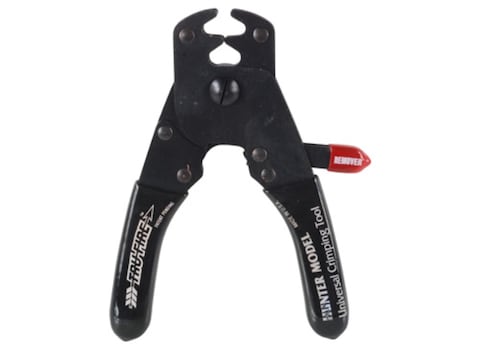
High-quality nock pliers like the Tru-Fire Universal Crimping Tool, Saunders, or Lone Wolf models are designed specifically for both crimping and removing brass nocks. These tools feature a built-in removal claw that gently spreads the U-shaped arms of the nock without crushing the serving or slicing the string. This precision minimizes risk and often allows the brass nock to be reused.
Step-by-Step: Removing with Nock Pliers
- Position the nock in the removal notch of the pliers.
- Squeeze the handles slowly to apply even pressure, widening the gap in the brass nock.
- Slide the nock off the string once the opening is wide enough.
- Inspect the serving for compression or damage after removal.
Using this method, you maintain full control, avoid sharp burrs on the brass, and protect the structural integrity of your bowstring. Many archers report that even tightly crimped nocks yield cleanly with these tools.
Recommended Tools and Cost Justification
The most frequently recommended tool is the Tru-Fire Universal Crimping Tool, known for durability and precision. Saunders and Lone Wolf pliers also offer reliable performance with smooth action and secure grip. Budget pliers in the $7 to $10 range may lack proper removal features and risk uneven pressure, increasing damage potential.
While quality pliers cost $15 to $20, they are a smart investment, far cheaper than replacing a damaged bowstring or risking injury from string failure.
Try the Screwdriver and Pliers Method

How to Safely Pry Open the Nock
If you do not own nock pliers, a thin flathead screwdriver paired with one pair of pliers offers the next safest alternative. This method requires care but can work effectively when done correctly.
Step-by-Step: Controlled Prying
- Stabilize the nock by gripping its base with needle-nose pliers or your fingers.
- Insert the screwdriver blade into the seam (split) of the brass nock.
- Gently twist to spread the arms apart. Do not force it.
- Widen the gap gradually until the nock slides off the string.
Use a blunt-tipped screwdriver to reduce the chance of cutting into the serving. A sharp or wide blade increases the risk of slipping and slicing string fibers.
Risks and Limitations
Brass deformation may occur, leaving the nock dented or misshapen and making reuse difficult. Burrs may form on sharp edges that can damage gloves or arrow nocks if reinstalled. Serving compression can result from excessive twisting, crushing the serving beneath the nock.
Despite these risks, this method is widely used and acceptable if performed carefully. It is far safer than improvised cutting tools.
Avoid the Two-Pliers Technique
Why Dual Pliers Are Risky
Some archers attempt to remove a brass nock by gripping each arm with separate pairs of needle-nose pliers and pulling outward. While conceptually simple, this method poses significant risks. Uneven pressure leads to slippage or crushing. There is a high chance of damaging the serving due to uncontrolled force. Users may experience frustration and potential injury from sudden tool slips.
Because the pliers often lose grip on the small brass arms, users end up applying erratic pressure, which can twist or compress the bowstring.
Better Alternatives Exist
Given the availability of safer methods, even a screwdriver with stabilization, this technique offers no advantage and is not recommended by experienced archers. Reserve it only as a last resort when no other tools are available, and proceed with extreme caution.
Never Use Cutting Tools
Why Wire Cutters and Knives Are Dangerous
Using wire cutters, knives, or Dremel tools to remove a brass nock is extremely hazardous and should be avoided at all costs. Wire cutters, even when used with the flat side, can slip and sever string strands. Knives or blades, one misstep can cut through the entire string, releasing tension violently. A Dremel with cutoff wheel generates heat, damages fibers, and risks severe injury.
One user reported accidentally cutting their bowstring in half during removal, resulting in dangerous recoil and a ruined string.
No Justification for Risk
These methods destroy the string and often the nock. There is no safe scenario where cutting near the serving is acceptable. Even cutting above and below the nock, as humorously suggested online, defeats the purpose and wastes a functional string.
Inspect After Removal
Check for Serving Damage
Once the brass nock is off, closely examine the serving at the removal site. Look for compression, meaning flattened or dented areas that indicate pressure damage. Check for fraying or cuts, as missing or split fibers compromise strength. Run your finger lightly over the area, any roughness suggests internal damage.
If the serving is compromised, the string becomes a safety risk.
What to Do If Damage Occurs
Minor compression may be acceptable for light use, but monitor closely. Fraying or cuts mean the string should be retired or professionally re-served. Complete re-serving is recommended if you plan to reinstall a brass nock or continue heavy shooting.
Never shoot a damaged string. A failure at full draw can cause injury or equipment damage.
Reposition or Replace the Nock
Can You Reuse the Brass Nock
If removed with quality pliers and shows no burrs or deformation, the brass nock can be reused. First, file down any sharp edges with a fine metal file. Slide it back onto the string at the new position. Use a bow square to set nock height, typically 1/4 inch to 3/8 inch above center, up to 5/8 inch for 3-under. Crimp lightly first, test nocking, then secure firmly.
This is ideal for tuning adjustments or correcting placement after string stretch.
Switch to a Tied-On Nock Point
Most archers eventually replace brass nocks with whip-tied nock points using dental floss, serving thread, or specialized nocking loop material.
Advantages of Tied Nocks
Tied nocks add zero weight, improving arrow speed and balance. There are no metal edges, making them safer for gloves, tabs, and fingers. They are fully adjustable, easy to move or replace. When tied properly, they last thousands of shots.
How to Tie a Nock Point
- Wrap thread or floss tightly around the string above and below the nocking point.
- Use a whip knot or half-hitch finish to lock it in place.
- Apply a drop of super glue or nail polish to prevent unraveling.
For a visual guide, Rick Barbee’s YouTube tutorial on whip-tying is highly recommended.
Prevent Future Issues
Use Brass Nocks Only for Tuning
Expert archers consistently advise treating brass nocks as temporary tuning aids, not permanent fixtures. Use them to find the ideal nock height during setup, then replace with tied versions for regular shooting.
This approach eliminates long-term wear, reduces noise, and avoids repeated crimping and removal cycles that stress the serving.
Install Dual Nock Points for Stability
Whether brass or tied, many archers use two nock points, one above and one below the arrow nock, to prevent slippage on release. Brass sets are useful for initial tuning. Tied versions offer the same benefit without metal risks.
Ensure both are snug but not overly tight to avoid serving damage.
Key Takeaways for Removing Brass Nocks

Removing a brass nock from a bowstring is feasible using several methods, but the safest and most effective approach is using high-quality nock pliers with a built-in removal tool. While improvised methods like flathead screwdrivers can work, they carry significant risk of damaging the serving or string. Given the importance of string integrity in archery safety and performance, investing in proper tools is strongly advised. After removal, always inspect the serving for damage and consider whether repositioning, re-servicing, or switching to tied nock points makes the most sense for your setup.
Frequently Asked Questions About Removing Brass Nocks
Can I remove a brass nock without special tools?
You can use a thin flathead screwdriver paired with pliers to stabilize the nock, but this method carries medium risk of damaging the serving. Quality nock pliers remain the safest option.
Will removing a brass nock damage my bowstring?
If done carefully with proper tools, damage is minimal. However, improper techniques like using wire cutters or knives can sever string strands completely.
Can I reuse a brass nock after removing it?
Yes, if removed with quality nock pliers and showing no burrs or deformation. File any sharp edges before reinstalling.
What is the safest method to remove a brass nock?
Using quality nock pliers like Tru-Fire, Saunders, or Lone Wolf with a built-in removal claw is the safest and most effective method.
Should I replace brass nocks with tied nock points?
Many archers recommend using brass nocks only for initial tuning, then switching to tied nock points for regular use. Tied nocks add no weight, eliminate metal burr risks, and are fully adjustable.