How to Restring a Crossbow Without a Bow Press
You’ve just finished a hunt, the shot was perfect, but when you go to reload, the string snaps. No bow press. No archery shop nearby. Now what? Restringing a crossbow without a bow press is possible, but it’s not for beginners and should never be taken lightly. While manufacturers and pros insist on using a press for safety, real-world situations sometimes demand field-expedient solutions.
This guide delivers actionable, tested methods sorted by risk, model compatibility, and safety that can get you back in the game when a press is not an option. Here’s the hard truth: most compound crossbows are not designed to be re-strung without a press. Attempting it improperly risks dry firing, limb explosion, or serious injury.
Use Adjustable Limb Bolts (Mission SUB-1 Only)
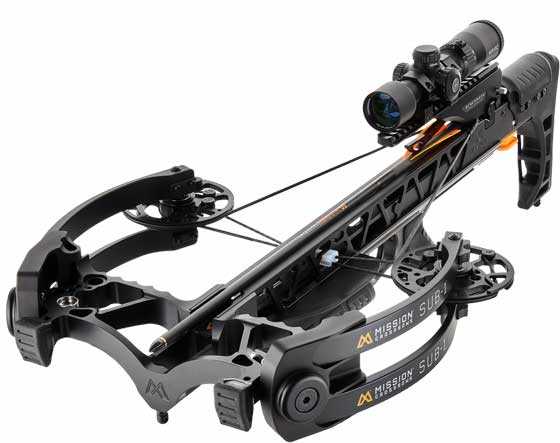
If you own a Mission SUB-1, you’re in luck. This is the only widely recognized crossbow model designed to allow string replacement without a bow press, thanks to its unique limb-bolt tension system.
Loosen Limb Tension Safely
Grab a 7/32″ Allen wrench. Start with one side of the crossbow and turn the limb bolt exactly ten full turns counterclockwise. Keep turning until the bolt head is flush with the barrel’s bottom. Flip the crossbow and repeat on the opposite side. This reduces limb pressure enough to free the string without stressing the cams.
Pro Tip: Count your turns. Over-loosening can damage the limb seat. Under-loosening will not create enough slack.
Remove and Replace the String
With tension reduced, gently pull the string to expose the S-X cam track. Slide the old string out of the track and off the S post. Pull it through the limb and repeat on the other side. For the new string, reverse the process. Thread it through the limb, around the cam, and up from the bottom. Hook the loop fully into the S post groove and ensure it is seated in the cam track.
Warning: A poorly seated string can jump the track on first draw, causing a dry fire.
Retighten and Test
Use the same Allen wrench to tighten both limb bolts completely until flush with the barrel. Do not over-tighten. Once secured, inspect both sides for symmetry. Manually test-draw with a cocking aid to confirm smooth operation before firing.
Time Required: 10 to 15 minutes
Difficulty: Low, model-specific
Pin the Cam at Partial Draw (High Risk)
Some hunters use cam pinning in emergencies, especially with robust compound models. This method involves inserting a tool into the cam to block rotation while tension is reduced. Never attempt this at full draw.
Prepare for Cam Locking
You will need a screwdriver, Allen key, or metal rod and a second person. Slide rubber fuel hose or tubing over the tool to protect cam surfaces from scratches. Partially draw the string, just 2 to 3 inches, using a rope cocking aid. This slight rotation exposes a cam spoke near the limb.
Never draw to full cock. The risk of cam failure skyrockets.
Insert Tool to Lock Rotation
Target the bottom cam or both cams if spokes align. Insert the padded tool through a spoke hole closest to the limb. It should contact the limb on both ends, preventing cam movement. Have your assistant slowly release tension until the tool is fully seated and the string goes slack.
Safety Gear: Wear gloves and eye protection. Stand clear of the string plane.
Swap String and Release
With the cam pinned, remove the old string from the S post and limb. Install the new string, ensuring loops are seated in the grooves. One person pulls the string back slightly. The other removes the tool. Lower the string slowly. Never let it snap forward.
User Reality Check: If you strain the cam and it blows up, you could lose an eye.
Time Required: 15 to 20 minutes
Difficulty: High
Requires: Two people, caution, compatible cam design
Compress Limbs with Ratchet Strap
Popularized by DIYers like Death by Bunjie, this method uses a heavy-duty ratchet strap to compress reverse-limb compound crossbows, creating slack for string replacement.
Set Up the Strap System
Stand the crossbow vertically with the butt on the ground. Wrap a ratchet tie-down strap over both limb tips. Place foam or cloth padding where the strap contacts the limbs to prevent scratches. Ensure the strap is centered and secure.
Best For: Reverse-limb compounds, limbs point forward.
Tighten and Create Slack
Gradually ratchet the strap to compress the limbs inward. As they flex, the string will slacken. Stop when you can easily slide one string loop off the limb tip. Remove the old string completely.
DIY Upgrade: Use a chain with a turnbuckle or coated steel cable for higher tension models.
Install New String and Release
Thread the new string onto both limb tips, matching the original twist count. Slowly release the ratchet strap while guiding the string into position. Once fully tensioned, inspect for proper seating and alignment.
Failure Risk: Strap breakage can cause violent recoil. Test tension gradually.
Time Required: 20 to 30 minutes
Difficulty: Moderate
Use a Temporary String (Last Resort)

For a completely unstrung compound crossbow like the Crossbow Point Wrath 430X, some users fabricate a temporary string to build tension and lock the cam.
Build and Install a Dummy String
Cut a length of coated steel cable or high-strength cord. Tie secure loops in both ends, ensuring knots will not interfere with cam channels. Thread it through the limbs and attach to the S posts.
Never use rope or weak cord. It can snap under load.
Tension and Lock the Cam
Use body weight or a hand crank to slowly pull the temporary string back. Rotate the cam until a spoke aligns near the limb. Insert a screwdriver through the spoke to lock it in place. Remove the temporary string.
Fit the Real String
Install the actual string on the posts and in the cam tracks. Reapply tension with the crank. As the cam rotates, the screwdriver will fall out. Slowly release full tension.
Extreme Caution: This method builds uncontrolled energy. One slip can cause catastrophic failure.
User Warning: I do not recommend this. If you are as dumb as me, that is on you.
Time Required: 30 plus minutes
Difficulty: Very High
Block Cam with Screws (APA and Martin Models)
Some crossbows like APA or older Martin models have engineered holes in the cams specifically for maintenance without a press.
Partially Cock and Insert Tools
Use a rope cocking aid to draw the string halfway. This reduces cable tension and aligns the cam hole. Insert a smooth-shaft Allen wrench or screwdriver into the hole to block rotation. Use rubber sleeves to protect the cam.
Remove and Replace String
With the cam blocked, the string will slacken. Remove one loop, then the other. Install the new string, ensuring correct routing and twist count. Slowly uncock the crossbow to release the tool.
Advantage: Designed by manufacturer, lower risk than improvised methods.
Never force the tool. If it does not slide in easily, stop.
Best For: APA, select Martin, and legacy compound models
Compress Limbs by Hand (Two-Person Method)
For lower-draw crossbows, two people can manually compress the limbs enough to swap strings.
Position and Apply Pressure
Stand the crossbow vertically, stock on the ground. One person holds the body steady. The second uses hands or feet to press down evenly on both limb tips. Apply steady, balanced force. No jerking.
Uneven pressure can crack limbs. Work slowly.
Swap Strings Under Compression
As slack forms, remove one string loop, then the other. Immediately install the new string, replicating the original twist pattern. Slowly release limb pressure while watching for slippage.
Works best on youth or lightweight models like the Diamond Atomic.
Time Required: 10 to 15 minutes
Requires: Two people, coordination
Use a Strap or Belt (Solo Method)
No help? No press? A heavy-duty strap or belt can create enough compression for solo restringing.
Secure and Tighten
Anchor the crossbow in a door jam or vise. Loop a ratchet strap, nylon tie-down, or thick leather belt around both limb tips. Pull or ratchet until one string loop can be removed.
Anchor securely. A slipping crossbow can cause injury.
Replace and Release
Slide off the old string. Install the new one, double-checking seating and twist. Slowly release the strap while monitoring alignment.
Never stand in line with the string during tensioning.
Best For: Solo field repairs on compatible models
Model-Specific Solutions
Not all crossbows are created equal. Some are designed for press-free work. Others should never be touched without professional tools.
Excalibur Recurve: Use Body Leverage
Excalibur recurve models are built for simplicity. Stand the crossbow upright, place your foot in the stirrup, and lean forward on the stock. This flexes the limbs enough to slide the string off and on.
Pro Tip: Use a commercial stringer tool for safer, easier swaps.
Barnett and TenPoint: Press Required
These high-draw compound models require a bow press. No safe press-free method exists. Attempting cam pinning or strap compression risks voiding warranty and causing catastrophic damage.
Do not attempt without proper equipment.
Winn and Winn Top Models: Remove Limbs Safely
Premium Winn and Winn crossbows use extra-long limb bolts and a unique mounting system that allows limb removal, bypassing the need for a press.
Follow manufacturer instructions exactly.
Use a Portable Press Instead

Before risking injury or gear damage, consider this: portable bow presses cost less than fifty dollars.
Affordable Press Options
• RatchetLok Press, thirty to forty dollars: Compact, fits most compound bows
• BowMaster Portable Press, thirty-five to fifty dollars: Adjustable, field-ready
• DIY Wooden Press, under twenty dollars: Custom-built from online plans
Bottom Line: Safer, faster, and reusable. Worth every dollar.
Critical Safety Rules
Never Do These
• Dry fire the crossbow ever
• Use pliers or screwdrivers without padding
• Work alone on high-tension systems
• Ignore visible fraying or cracks
Always Do These
• Inspect limbs after string failure
• Take photos before disassembly
• Count string twists and replicate them
• Wear eye protection and gloves
Golden Rule: If you are unsure, take it to a pro shop. Most charge thirty to sixty dollars and include inspection.
When to Replace Strings
Replace every one to two years or immediately after a dry fire, visible fraying, performance drop, or string stretch. Always replace strings and cables together to maintain balance and timing.
Recommended Brands: Zebra Strings, 60XCustomStrings, Barnett OEM
Frequently Asked Questions About Restringing a Crossbow Without a Bow Press
Is it safe to restring a crossbow without a bow press?
It depends on the model and method. Only the Mission SUB-1 has manufacturer support for press-free string replacement. All other methods carry significant risk and should be considered emergency procedures only.
What is the easiest crossbow to restring without a press?
Excalibur recurve models are the easiest because they have simpler limb geometry and lower draw weights. You can use body leverage or a commercial stringer tool without special equipment.
Can I use a ratchet strap to replace my crossbow string?
Yes, this method works for reverse-limb compound crossbows. Wrap a heavy-duty ratchet strap around both limb tips with padding, then tighten gradually to compress the limbs and create slack. This is safer than cam pinning but still carries risk.
What happens if I don’t replace both the string and cables together?
Replacing only the string while leaving old cables can cause timing issues and uneven limb loading. This affects accuracy and can accelerate wear on cams and limbs. Always replace strings and cables as a set.
How much does a portable bow press cost?
Quality portable bow presses range from thirty to fifty dollars. Models like the RatchetLok and BowMaster are compact, field-ready, and much safer than improvised methods.
When should I take my crossbow to a professional instead?
Take it to a pro shop if you are unsure about any step, if your crossbow has high draw weight over 150 pounds, or if the string broke after a dry fire. Professional technicians charge thirty to sixty dollars and include inspection.
Key Takeaways for Restringing Your Crossbow Without a Press
Restringing a crossbow without a bow press is a high-risk workaround, not a standard procedure. The Mission SUB-1 is the only model with built-in support for this method through its adjustable limb bolts. All other techniques, from cam pinning to ratchet strap compression, should only be attempted in true emergencies by experienced users with proper safety gear.
Model-specific solutions matter. Excalibur recurves are press-friendly using body leverage or stringer tools. Barnett, TenPoint, and most modern compounds absolutely require a bow press. Attempting press-free methods on incompatible models risks catastrophic limb failure, cam explosion, or serious injury.
The smarter investment is a portable bow press. At thirty to fifty dollars, these tools are far safer than improvised methods and pay for themselves after just one professional service call. If you maintain your crossbow regularly, the press quickly becomes indispensable. Your safety and your gear’s lifespan depend on making the right call.